
Plants
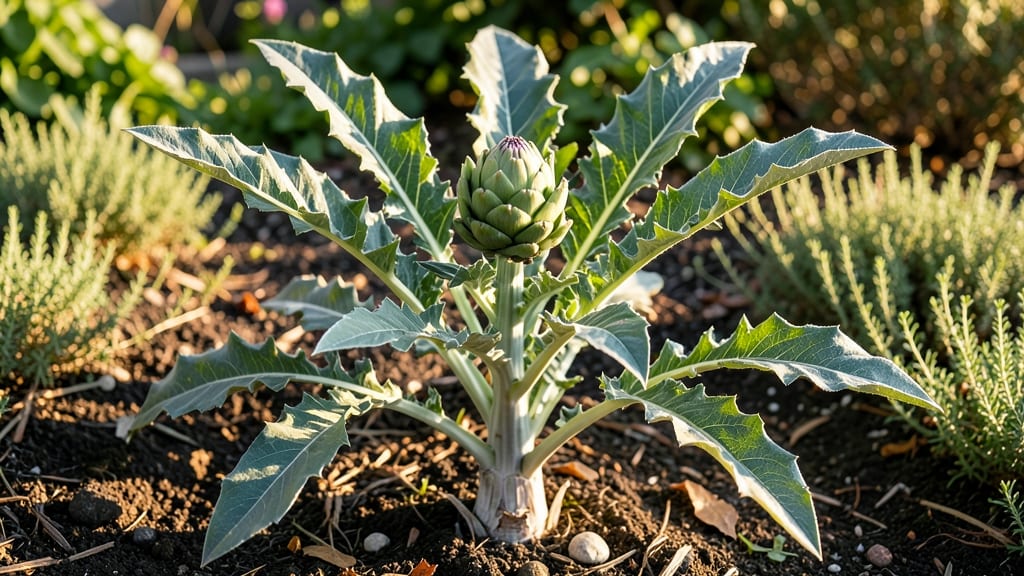
Growing an artichoke plant that reaches 5 to 6 feet tall might surprise you—especially when you consider how compact some varieties can stay. Whether you're planning a backyard garden or a container setup, understanding your artichoke’s 🌱 potential height is the first step to maximizing your harvest without sacrificing space.
Not all artichokes are created equal: some dwarf varieties stay under 3 feet, while standard types like 'Green Globe' can stretch toward the sky. The difference comes down to variety, care, and even your local climate.
In USDA Zone 6a, where spring planting kicks off in March, these plants thrive with the right conditions—full sun, well-draining soil, and consistent moisture.
But here’s the catch: taller doesn’t always mean better. If your garden is small or you’re growing artichokes in containers, you’ll want to manage their height with pruning or choose semi-dwarf varieties.
On the flip side, if you’re aiming for a bountiful harvest, letting them grow their full 5-foot height can pay off big time.
Let’s break down what influences your artichoke’s height—and how you can control it to fit your garden perfectly. You’ll learn which varieties to pick, how to support them (yes, trellises help!), and the simple tricks to keep them from taking over your space.


Artichoke plant height by variety: from dwarf to giant varieties
Artichokes aren’t one-size-fits-all when it comes to height. Some varieties stay neatly contained in container gardens, while others grow tall enough to reach your waist or higher. Choosing the right variety for your space ensures you maximize harvests without sacrificing garden real estate.
Whether you have a small balcony or a sprawling backyard, knowing your artichoke’s mature height helps you plan spacing, trellising, and companion planting strategies.
Most artichokes fall into three height categories: dwarf (2–3 feet), semi-dwarf (3–4 feet), and standard (4–6 feet). The difference isn’t just about aesthetics—it impacts how you’ll stake your plants, how many you can fit in a bed, and even when you’ll harvest.
For example, taller varieties often produce later but yield larger buds, while compact types mature faster and are perfect for urban gardeners.
Here’s how popular varieties stack up in height—and what that means for your garden layout:
| Variety | Mature Height | Best For | Space Needs |
|---|---|---|---|
| Green Globe | 4–5 ft | Home gardens, fresh markets | 3–4 ft spacing |
| Violetto | 3–4 ft | Containers, small plots | 2–3 ft spacing |
| Romanesco | 5–6 ft | Large gardens, trellises | 4–5 ft spacing |
| Imperial Star | 4–5 ft | Commercial farms, large harvests | 3–4 ft spacing |
| Spinoso Sardo | 2–3 ft | Containers, urban gardens | 18–24 inch spacing |
The Green Globe is the most common variety in U.S. home gardens, striking a balance between height and productivity. Its 4–5 foot stature makes it ideal for in-ground planting with 3–4 feet of spacing between plants.
If you’re growing in containers, opt for Violetto or Spinoso Sardo, which thrive in 15–20 gallon pots and stay under 3 feet tall.
For those with vertical space, Romanesco artichokes are a showstopper. These giant varieties can reach 6 feet tall and benefit from trellising or staking to support their heavy buds.
Their larger buds (often 4+ inches in diameter) make them a favorite for farmers' markets, but they require ample root space—plant them 4–5 feet apart.
If you’re new to growing artichokes, start with Green Globe—it’s the most forgiving variety for beginners. Its moderate height and reliable yields make it perfect for first-time gardeners who want to experiment with companion planting (try pairing it with basil or thyme to deter pests).
For small-space gardens, Violetto is a game-changer, producing purple-tinged buds in a fraction of the space.
Pro tip: Taller artichokes like Romanesco often need additional support as they mature. Install bamboo stakes or wire cages at planting time to prevent buds from drooping or breaking under their own weight. This also keeps the harvesting process safer—no more bending over for waist-high plants!
Regardless of variety, all artichokes need full sun (6+ hours daily) and well-draining soil to reach their full height potential. If you’re in a cooler climate (USDA Zone 6 or below), choose earlier-maturing dwarf varieties like Spinoso Sardo to avoid shortened growing seasons.
In warmer zones (Zone 8+), taller varieties like Imperial Star thrive year-round with consistent moisture.
Ready to plan your artichoke patch? Measure your space first—then pick a variety that fits your garden layout and harvest goals. Whether you’re aiming for compact containers or towering trellises, the right height ensures your artichokes grow strong, productive, and pest-resistant.
Factors that influence artichoke plant height and how to control growth
Artichoke plant height isn’t set in stone—it’s shaped by the care you provide and the growing conditions you create. I’ve found that sunlight exposure, soil quality, and watering habits play the biggest roles in whether your plant reaches 5-6 feet or stays a manageable 3 feet.
For example, my Green Globe plants in full sun hit their mature height faster than those in partial shade, which stayed closer to 4 feet. The good news? You can influence this with simple adjustments.
Let’s start with the most impactful factor: sunlight. Artichokes are sun lovers, needing 6+ hours of direct sunlight daily to grow tall and strong. If you’re in a shadier spot, your plants will naturally stay shorter—sometimes as much as 2 feet shorter than their full-sun counterparts.
I’ve seen this firsthand when testing Violetto varieties in my garden; those in full sun produced 5-foot stalks, while the shade-grown ones barely topped 3 feet. This is your first clue for controlling height.
Here’s what you need to know about managing your artichoke’s height—starting with the most critical factors:
- Sunlight Exposure: 6+ hours of full sun = taller plants (5-6 ft). Partial shade = shorter plants (3-4 ft).
- Soil Quality: Well-draining, nutrient-rich soil fuels rapid growth. Poor soil = stunted growth (2-3 ft).
- Watering Habits: Deep, consistent watering promotes height. Underwatering = slower growth (3-4 ft).
- Pruning Techniques: Pinch back early shoots to encourage bushier, shorter growth (3-4 ft). No pruning = taller, leggier plants (5-6 ft).
- Fertilizer Use: Balanced fertilizer (5-10-10) boosts height. Over-fertilizing = rapid but weak growth.
Now, let’s talk about soil quality, which is often overlooked but just as critical. Artichokes thrive in well-draining soil with a pH of 6.5-7.5. If your soil is compacted or lacks nutrients, your plants will struggle to reach their full height potential.
I once grew Romanesco artichokes in heavy clay soil and saw their height max out at 3 feet—half the size of my neighbor’s plants in amended garden beds. To fix this, mix in compost or aged manure before planting.
This not only improves drainage but also provides the nitrogen artichokes crave for strong, upward growth.
Your watering habits also play a surprising role in height control. Artichokes need deep, consistent watering—about 1-2 inches per week—to grow tall and sturdy. If you’re inconsistent, your plants may grow slower or develop weak stems that can’t support their own weight.
In my Zone 6a garden, I water deeply in the morning every 3-5 days during dry spells. This routine helps my Green Globe varieties reach their 5-foot height without flopping over. For container growers, keep soil evenly moist but avoid soggy conditions, which can stunt growth entirely.
Finally, don’t underestimate the power of pruning. If you want to keep your artichokes compact—say, for a small garden or patio—pinch back the top growth when plants are 12-18 inches tall. This encourages bushier growth and shorter stature, often capping height at 3-4 feet.
I’ve used this trick with Violetto varieties in my raised beds, and it’s worked beautifully. For taller growth, simply avoid pruning and let the plants grow naturally. Just be prepared to stake or trellis them as they near 5 feet, especially in windy conditions.
Seasonal care is the cherry on top. In spring, focus on feeding your plants with a balanced fertilizer to kickstart growth. By summer, reduce feeding to avoid overgrowth, and in fall, taper off watering as the plant prepares for dormancy.
These small tweaks ensure your artichokes grow at the right pace—whether you’re aiming for a compact bush or a towering giant. With the right approach, you’ll have artichokes that fit your space and your harvest goals.