
Trees
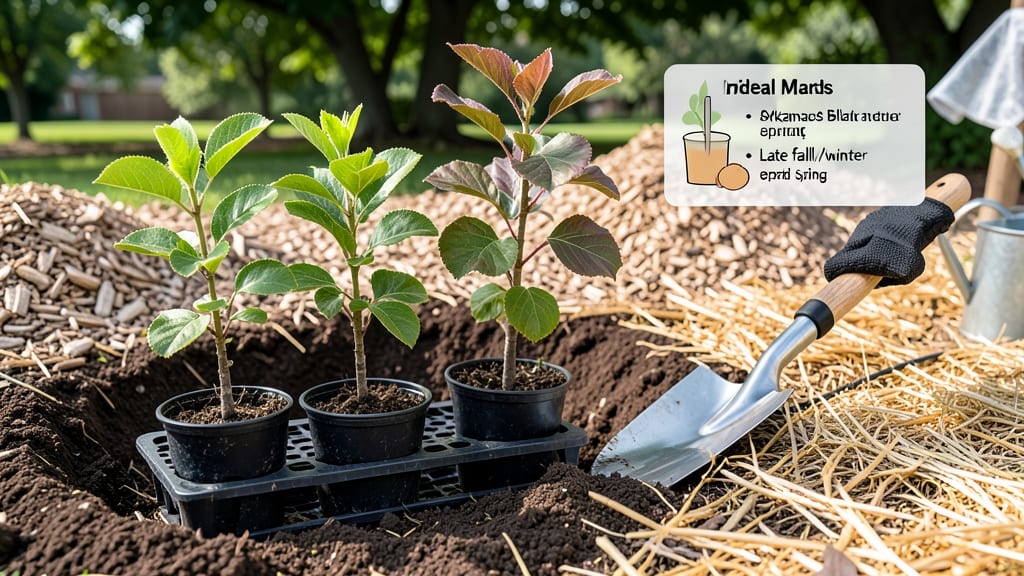
Planting fruit trees in Northern California at the wrong time could mean watching your investment wither before it ever bears fruit. The perfect window depends on more than just the calendar—chill hours, frost dates, and microclimates all play a role in whether your sapling thrives or struggles.
From the coastal fog of San Francisco to the hotter inland valleys of Sacramento, timing varies dramatically. If you're dreaming of homegrown peaches or plums, knowing when to plant is half the battle.
Let me break down the ideal months for your region, so you can get those roots in the ground just as the soil warms up.
Whether you're working with bare-root trees or container-grown varieties, the key is patience. Planting too early risks frost damage, while waiting too long means missed growth opportunities.
I’ll show you exactly how to read your local frost dates and adjust for your specific microclimate—so your fruit trees get off to the best possible start.
Ready to turn your backyard into a productive orchard? By the end of this guide, you’ll know not just when to plant, but how to give your trees the care they need to flourish. Let’s get those 🌱 growing!
Northern California fruit tree planting calendar by chill hours & frost zones
Northern California's diverse microclimates—from coastal fog belts to inland heat zones—create wildly different planting windows for fruit trees. The key? Matching your USDA zone (7a-10a) with each variety's chill hour requirements (hours below 45°F needed for dormancy).
For example, peaches need 500-700 chill hours, while apples thrive with 300-600. Plant too early, and a late frost will kill your sapling; too late, and roots won't establish before winter.
Let's break down the ideal planting months by region, using average last frost dates and chill hour zones. The Bay Area's cooler coastal zones (USDA 9-10) can plant later than the hotter Sacramento Valley (USDA 9-10 but with earlier springs).
Meanwhile, the Sierra Foothills (USDA 7-8) demand earlier planting to avoid winter cold snaps.
🌱
| Region | USDA Zone | Avg. Last Frost | Best Planting Window | Chill Hours Needed | Top Varieties |
|---|---|---|---|---|---|
| Bay Area (Coastal) | 9-10 | March 15-April 1 | Late March-Early April | 300-600 | Apple (Fuji), Pear (Bartlett), Fig (Brown Turkey) |
| Sacramento Valley | 9-10 | February 28-March 15 | Mid-February-Late March | 500-800 | Peach (Elberta), Plum (Santa Rosa), Apricot (Tilton) |
| Sierra Foothills | 7-8 | April 15-May 1 | Early April-Mid May | 600-900 | Cherry (Stella), Persimmon (Fuyu), Walnut (Chandler) |
| North Coast (Redwood) | 8-9 | March 1-April 15 | Late February-April | 400-700 | Apple (Gala), Quince (Meeker), Pomegranate (Wonderful) |
For stone fruits like peaches and cherries, prioritize planting in late winter to early spring when soil temperatures hit 50°F. These trees need 500+ chill hours, so Sierra Foothills growers can plant walnuts and cherries as early as February, while Bay Area gardeners should wait until March to avoid late frosts.
Use a chill hour calculator (like the one from UC Davis) to verify your local accumulation—some inland areas hit 600+ chill hours by January, while coastal spots may need to wait until March.
🌿
In USDA Zone 9-10 areas (Bay Area, Sacramento), low-chill varieties like figs and pomegranates can be planted year-round, but bare-root trees still thrive best in dormant season (November-March). For citrus trees, which need 0-300 chill hours, plant container-grown trees anytime—just water deeply after transplanting.
The key is soil temperature: Wait until ground warms to 60°F (use a soil thermometer) before planting heat-loving varieties like persimmons or apricots.
🌳
Pro tip: Adjust for microclimates. A south-facing slope in the Sacramento Valley may warm up 2-3 weeks earlier than a north-facing yard. Similarly, coastal fog zones (like Santa Cruz) can have delayed springs—monitor local weather stations (like CalAgWeather) for real-time updates.
If you're in doubt, plant in containers first to test your microclimate before committing to in-ground planting.
💧
Post-planting care varies by region. In drought-prone areas (like Northern Sacramento Valley), mulch heavily with wood chips to retain moisture, while coastal zones may need windbreaks to protect young trees from salt spray.
Always water deeply (1-2 inches per week) for the first two growing seasons, regardless of region. For frost-sensitive varieties (like apricots), have frost cloth ready—even if planting late, a
How to adjust planting timing for microclimates & soil conditions
Northern California’s diverse landscapes create unique challenges for fruit tree planting. The coastal fog of San Francisco delays warming, while inland valleys like Sacramento experience earlier frost-free periods. Even within cities, urban heat islands can push planting windows forward by weeks.
Understanding these microclimates helps you avoid common mistakes like planting too early in cold pockets or too late in warm microclimates.
Soil conditions further complicate timing. In clay-heavy Northern California soils—common in the Central Valley—water drains slowly, requiring adjustments to planting depth and irrigation. Meanwhile, sandy soils along the coast dry out faster, demanding earlier watering.
Let’s break down how to adapt your planting schedule based on these factors, so your fruit trees establish strong roots before summer heat arrives.
Plant 2-3 weeks later than inland areas. Use frost cloth until mid-April to protect young trees from late frosts. Citrus thrives here but needs well-draining soil to avoid root rot.
Plant 1-2 weeks earlier than rural areas. Use shade cloth for young trees to reduce heat stress. Amend soil with compost to improve moisture retention.
Plant bare-root trees in late winter (February) to capitalize on spring rains. Use windbreaks to protect from dry winds. Drip irrigation is a must for water efficiency.
Amend clay with gypsum (10 lbs per 100 sq ft) and organic matter (compost or aged manure). Plant deeper than usual to encourage root growth downward. Avoid compacting soil around the base.
Use 5-gallon containers for dwarf varieties like columnar apples. Plant in well-draining potting mix with a slow-release fertilizer. Move containers to sunny balconies in spring and partial shade in summer.
For container planting, timing is flexible but requires extra attention to soil moisture. Since pots dry out faster, water daily in summer and monitor for wilting. If you’re renting, choose dwarf or semi-dwarf varieties like ‘Columnar Delicious’ apple or ‘Patio Pearl’ peach, which thrive in limited space.
Just ensure your container has drainage holes and a saucer to catch excess water.
Wind protection is another critical factor, especially in open or coastal areas. Use burlap windbreaks or plant fast-growing shrubs like Russian olive as a natural barrier. In high-desert zones, wind can dry out young trees quickly, so mulch heavily (3-4 inches) with straw or wood chips to retain moisture.
Finally, frost cloth is your best friend during early spring plantings. Lay it over young trees when nighttime temperatures dip below 32°F, and remove it during the day to allow sunlight.
For stone fruits like peaches, which need chill hours, planting in late winter (February-March) ensures they get enough cold exposure before bud break.
By adjusting your planting schedule based on these microclimates and soil conditions, you’ll give your fruit trees the best chance to establish strong roots and thrive.
Whether you’re battling coastal fog, urban heat, or clay soil, these adjustments make all the difference—so your orchard can bear fruit for years to come. 🌳