Why this site exists
You’re staring at a seed packet, a bare patch of soil, or a plant that’s wilting despite your best efforts. The instructions on the back of the packet don’t match your climate, the soil test results say something’s off, or the neighbor’s tomato vine looks nothing like yours.
This site exists for the gaps between what the books say and what actually grows.
Here, you’ll find what worked—and what didn’t—in my own garden, tested across seasons and soil types. No fluff, no assumptions. Just the dirt under the nails and the lessons learned when the basil bolts or the squash collapses under its own weight.
Who writes this site

Lionel Zielinski runs the garden and the site.
Do you test everything yourself?
I do the heavy lifting, but some trials are crowd-sourced—readers send photos of their failures (and occasional triumphs) from different zones. If it doesn’t work in Maine or Arizona, it doesn’t stay here.
What’s the worst gardening mistake you’ve made?
Planting 50 tomato seedlings in a single season. By August, the trellis was a tangled mess, the fruit was splitting, and I was weeding under vines that had taken over the deck. Lesson: Start small, or accept chaos.
Why isn’t my favorite plant here?
If it’s not in my zone or won’t thrive without constant babying, it’s not here. No forcing things. If you’re growing something tricky, you’re already ahead of me.
The one tool Lionel won’t garden without is a pair of pruning shears—even for weeding. He keeps them in his back pocket, stained with soil and the occasional sap mark.
How a gardening guide is built
Every guide starts with a season’s worth of trial runs: what thrived, what bolted, and what got eaten before it ripened. The numbers—watering intervals, sunlight hours, soil pH—are pulled from real logs, not charts.
The first cut
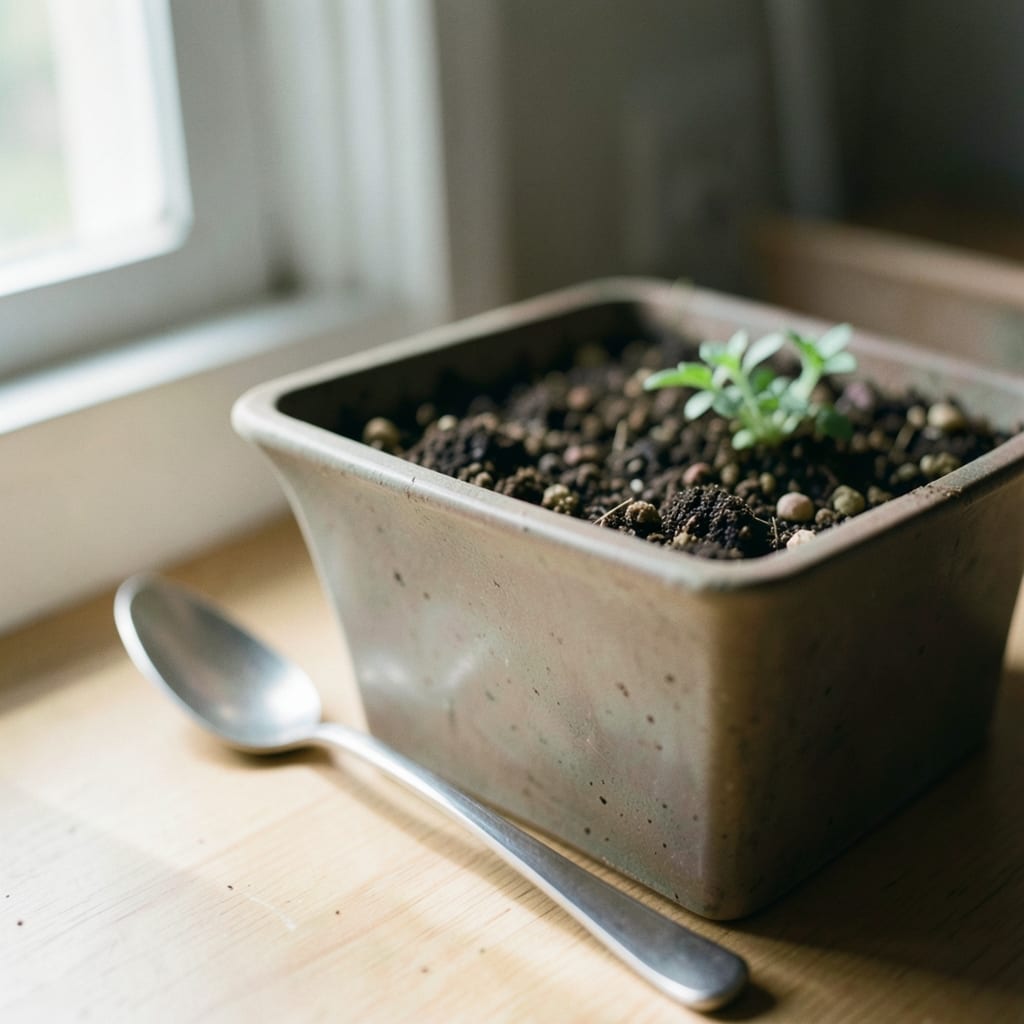
The first draft is always a list of what *didn’t* work. Last year’s zucchini patch? Too much nitrogen. The peppers? Saved for seed instead of eating. The numbers here are the ones that got crossed out first.
I keep a notebook by the door. Every time I adjust watering, prune back a vine, or curse a slug, it goes in. By spring, the page that survives is the one that actually grows something.
The second fix
The second pass is about the things that *almost* worked. The basil that survived a heatwave but only if deadheaded daily. The beans that thrived in partial shade but needed a trellis by week three. These are the notes in the margins—what’s worth the extra effort.
If it’s not repeatable, it’s not here. No ‘maybe’ advice. Either it grows back next year, or it doesn’t.
What we will not do
This site won’t tell you to grow something just because it’s ‘trendy’ or ‘aesthetic.’ If it requires a greenhouse in zone 5 or a PhD in hydroponics, it’s not here. No forced blooms, no gimmicks.
Things you will never find here
- Step-by-step guides for growing plants outside their native range without workarounds.
- ‘Best of’ lists based on looks alone (edibility and yield matter more).
- Advice for containers smaller than 5 gallons—root-bound plants are a waste of time.
- Recipes for garden-fresh meals (this is a growing site, not a cooking site).
Where to start
Start with the ‘Failures’ section—it’s the only one that lists what *not* to plant in your zone. Then move to the seasonal guides, which name the crops that actually thrive where you are.
If you’re still stuck, the ‘Soil Tests’ page explains why your plants look starved even when you’re watering them daily.
Say hello
I like hearing about the plants that outsmarted you, the soil amendments that saved a season, or the trellis hack that finally kept the cucumbers off the ground. If you’ve got a photo of a disaster (or a miracle), send it to the contact page.
No questions about ‘best’ plants—just the ones that surprised you.
The guides are grouped by category: Advice, Aphids, Blooming, Companion Plants, Container Gardens and Diseases.