
Planting
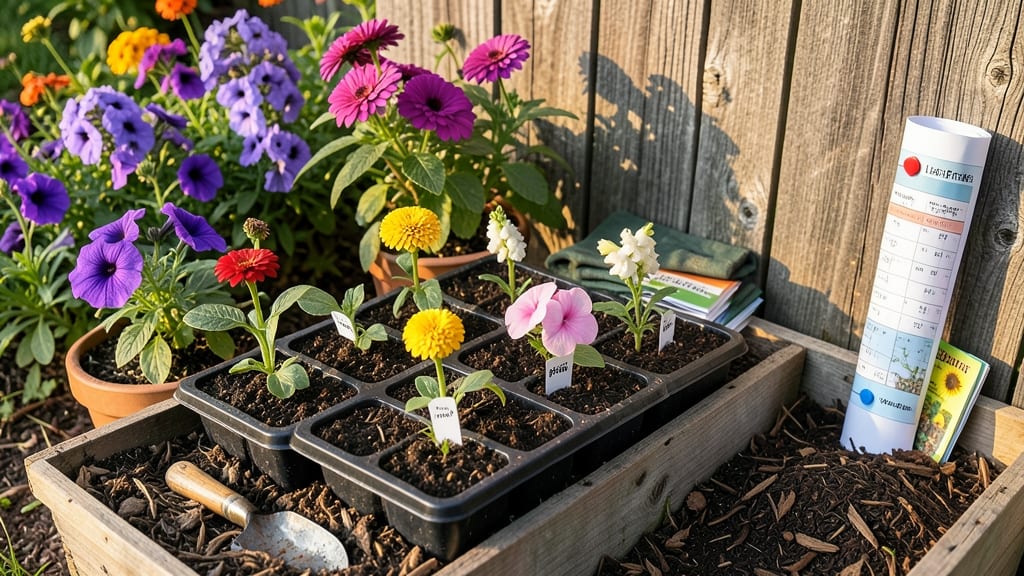
Planting your 🌸 flowers in Ohio at the wrong time means frost-kissed dreams instead of vibrant blooms—but getting the timing right transforms your garden from so-so to showstopping.
The key isn’t just waiting for spring; it’s understanding how Ohio’s USDA Zone 6a climate and regional frost dates create the perfect window for planting annuals, perennials, and bulbs.
Most Ohio gardeners know the general rule: wait until after the last frost, but that’s easier said than done when March can swing between 60°F sunshine and surprise freezes.
I’ve learned the hard way that planting too early risks losing tender seedlings, while waiting too long cuts your blooming season short. The solution? A strategy that accounts for Ohio’s April 15 average last-frost date—and how to adjust for your specific corner of the state.
In this guide, I’ll break down exactly when to plant your 🌸 flowers by region, from the cooler North to the slightly warmer South, plus cold-hardy varieties that can handle early starts.
You’ll also discover backup plans for late plantings, so even if Mother Nature throws a curveball, your garden stays lush and colorful from spring to fall.
Whether you’re a backyard gardener with raised beds or a container enthusiast on a balcony, these timing tips will help you avoid common mistakes and maximize your blooms. Let’s get those flowers in the ground at the perfect moment—so you can enjoy them all season long.
Ohio’s last frost dates by region: when to plant flowers safely
Ohio’s last frost dates vary dramatically across its five climate zones, making it critical to know your specific region before planting flowers.
In the Northwest and Northeast (zones 5b), frost can linger until May 10-15, while the Southeast and Southwest (zone 6a) often see frost-free conditions by April 15. Central Ohio falls somewhere in between, typically around April 25.
These dates are averages—microclimates near lakes or urban heat islands can shift them by 1-2 weeks.
For cool-season flowers like pansies or snapdragons, you can start planting 4-6 weeks before your region’s last frost. Warm-season bloomers, such as zinnias or marigolds, need to wait until soil temperatures hit 60°F—usually 2 weeks after the last frost.
Using row covers or cold frames can extend your planting window by 2-3 weeks in colder zones, protecting tender seedlings from late frosts.
Historical data shows that 2023’s last frost in Toledo (Northwest Ohio) arrived on May 5, while Cincinnati (Southwest) saw its last frost on April 10. In Columbus (Central Ohio), gardeners typically mark April 20 as their cutoff. Always check local weather forecasts and use the Old Farmer’s Almanac or Ohio State University Extension for real-time updates.
Microclimates play a huge role in Ohio’s gardening success. Urban areas like Cleveland or Dayton can experience warmer microclimates due to concrete and buildings, while rural zones near lakes (like Erie or Houghton) may stay colder longer.
If you’re near water, expect 1-2 weeks later frost dates. For container gardens, place pots in sheltered spots to avoid frost pockets.
To extend your planting season, consider fall planting for cool-season flowers like asters or chrysanthemums.
These can be sown as early as September in Southern Ohio or October in Northern regions. First frost dates typically arrive between October 15 (Southwest) and November 1 (Northwest), giving you a 3-4 month growing window for fall bloomers.
Hardiness zones 5b-6b mean Ohio’s flowers must handle low-temperature swings. Zone 5b (Northwest/Northeast) sees -15°F winters, while zone 6a (Southeast/Southwest) bottoms out at -5°F. Choose perennials like coneflowers or black-eyed Susans for resilience, or opt for annuals with quick bloom times if you’re unsure about frost dates.
For container gardening, move pots to protected areas at night during late spring. Cold frames or greenhouse setups can push your planting window 3-4 weeks earlier in colder zones. Even a simple row cover over seedlings can make the difference between frost damage and thriving blooms.
If you’re new to Ohio gardening, start with frost-tolerant annuals like calendula or sweet alyssum. These can handle light frosts and still bloom beautifully. For perennials, divide and transplant in early spring (March-April) or early fall (September) to avoid frost stress.