
Companion Plants
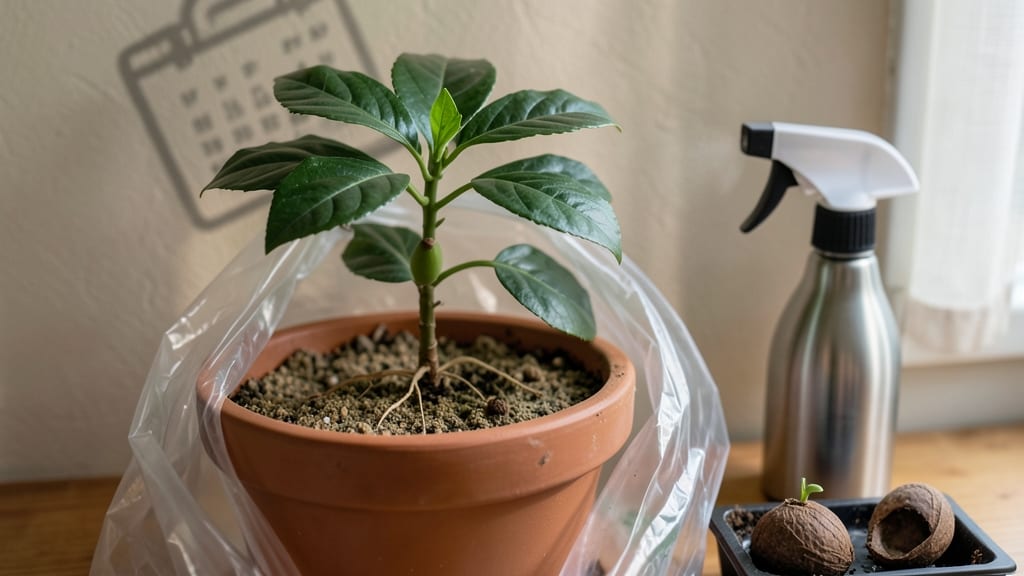
Planting your avocado seed in dirt at the wrong time can turn your fast start into a frustrating wait—maybe even killing your seedling before it takes root.
The key isn't just waiting for roots to appear; it's knowing when those roots are strong enough to handle soil without rotting or stalling.
Most gardeners make the mistake of rushing the transition, especially when their 🥑 Avocado Tree seedling has just a few roots peeking out. But here's the secret: patience pays off.
You'll want to wait until your seed has developed a sturdy root system—typically 2-3 inches long—before making the move to dirt.
Timing also depends on where you live. In USDA Zone 6 or cooler climates, aim for late spring to early summer after the last frost (around April 15 in many areas). Warmer zones can plant earlier, but the rule stays the same: never plant before your seedling is ready.
In this guide, I’ll walk you through exactly how to tell when your seed is dirt-ready, plus step-by-step tips to transplant it without stress. By the end, you’ll have a thriving young tree—and no more guesswork about when to plant.
Avocado seed germination stages: when roots and sprouts signal dirt-ready status
Watching your avocado seed sprout is exciting, but knowing when to plant it in dirt is the key to success. Most seeds need 2-3 inches of roots and 1-2 inches of sprout growth before transitioning from water to soil.
This stage ensures your seedling has enough energy to thrive outside its watery nursery.
Start by placing your seed in a glass of water with the pointed end down—this mimics natural germination conditions. Within 2-4 weeks, you’ll see roots emerge first, followed by a small sprout.
Avoid letting the seed sit too long in water, as this can lead to rot or mold before it’s ready for soil.
Here’s what to look for to know your seed is dirt-ready:
Once your avocado seed reaches the 2-3 inch root stage, it’s time to transition to soil. Planting too early risks rot from excess moisture, while waiting too long can stunt growth. Use a well-draining potting mix (like cactus soil) to prevent waterlogging.
Common mistakes include overwatering the seed before planting or using heavy garden soil that retains too much moisture. Instead, opt for a light, airy mix with perlite or sand. Place your seedling in a small pot with drainage holes to mimic natural conditions.
After planting, keep the soil moist but not soggy and place the pot in bright, indirect light for the first week. Gradually introduce it to direct sunlight to avoid shock. Yellowing leaves often signal overwatering or poor drainage, so adjust your care routine accordingly.
If your seedling develops stunted growth or blackened roots, it may have root rot. This happens when the seed sits too long in water or the soil stays waterlogged.
To fix it, trim the damaged roots and repot in fresh, dry soil. Keep the environment humid with a plastic bag until new growth appears.
Patience is key—some seeds take 6-8 weeks to reach planting readiness. If your sprout grows too tall before rooting, it may topple over. Use a small stake for support until the roots stabilize. Once established, your avocado seedling will reward you with lush green leaves and steady growth.
Remember, the ideal transplant window is when your seedling has both strong roots and visible leaves. This balance ensures it’s ready to handle the stress of soil. With proper care, your avocado tree will thrive and eventually produce fruit—though it may take 5-10 years to bear avocados!
🌱
Best months to plant avocado seeds in soil by climate zone (USDA guide)
Timing your avocado seed’s transition from water to soil depends entirely on your USDA climate zone. In zones 9-11, warm winters allow year-round planting, while zones 7-8 require waiting until frost danger passes.
The key is balancing soil warmth and seedling resilience—plant too soon, and roots rot; too late, and growth slows dramatically.
For USDA zones 9-11, your window is nearly year-round, but aim for March through November when soil temperatures stay above 60°F. In zones 7-8, wait until after the last frost date (typically May-June) and only plant when nighttime temps stay above 55°F consistently.
In zones 9-11, I plant my avocado seeds directly in well-draining pots or garden beds as soon as roots reach 2-3 inches. The warm climate means minimal risk of frost, but I still protect seedlings with shade cloth for the first week to prevent sunburn.
For zones 7-8, I wait until nighttime temps stay above 55°F—typically late May—and use black plastic mulch to warm the soil faster.
Acclimating seedlings to outdoor conditions is critical. Start by placing pots outside for 2 hours daily, gradually increasing exposure over 10-14 days. Watch for yellowing leaves or wilting, which signals stress.
In cooler zones, I use a cloche or row cover at night to extend the growing season by 4-6 weeks.
Transplant shock is the biggest risk—avoid it by keeping the seedling’s root ball intact and watering deeply before and after planting.
In USDA zone 11, I’ve even planted seeds in December with no issues, but in zone 8, I never risk planting before June 1st due to unpredictable late frosts. Always check your local frost-free date for accuracy.
Pro tip: Mix perlite or sand into your soil to improve drainage—avocado roots hate soggy conditions. After planting, I water deeply but let the top inch of soil dry between waterings to prevent rot.
With the right timing and care, your seedling will establish strong roots and grow into a thriving tree in 1-2 years.