
Plants
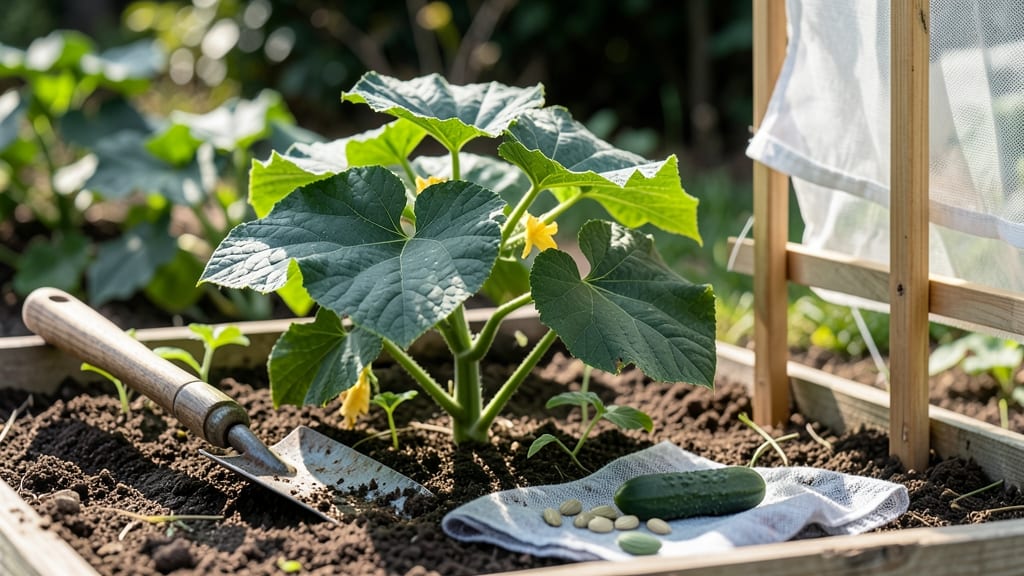
Planting cucumber seeds 🥒 at the wrong time in North Carolina can mean the difference between a bountiful harvest and wasted effort—especially when your growing season hinges on just 210 frost-free days.
If you wait too late, summer’s heat will stress your plants before they produce, while planting too early risks killing tender seedlings when temperatures dip. The key? Aligning your schedule with your specific heat zone (7a-8b) and soil warmth, not just the calendar.
Most NC gardeners know to wait until after the last frost—typically around April 15—but the real secret lies in soil temperature. Cucumbers need at least 60°F to germinate, and cooler zones like the Piedmont may need to wait until early May.
Meanwhile, coastal areas can start as early as late March, giving you a 3-week head start on the harvest. This guide breaks down the exact windows for your region, so you can avoid common mistakes like planting too deep or ignoring humidity spikes that slow growth.
What you’ll discover here isn’t just about dates—it’s about strategies to stretch your cucumber season. From succession planting in June to using row covers for late fall harvests, these tips help you maximize your June–October growing window, even in NC’s unpredictable climate.
Whether you’re a first-time gardener or a veteran, timing is everything—and this is how to get it right.
Ready to turn your backyard into a cucumber powerhouse? Let’s dive into the heat-zone-specific planting schedule that’ll have you picking crisp, homegrown 🥒 all summer long—without the guesswork.
North Carolina frost dates by heat zone: cucumber planting windows
North Carolina’s diverse climate means cucumber planting windows vary dramatically from the mountains (Zone 5A) to the coastal plains (Zone 8B). Getting the timing right ensures your seeds germinate in warm soil (70°F+) and avoid late spring frosts that can devastate young plants.
I’ll break down each heat zone’s average last frost dates and the perfect 30-day planting window for cucumbers, so you can maximize your harvest.
Cucumbers are heat-loving annuals that won’t tolerate cold soil. In cooler zones like Zone 5A (Western NC), you might need to use row covers or cold frames to extend your season. Meanwhile, in Zone 8B (Coastal NC), you can plant year-round with minimal frost risk.
The key is matching your soil temperature to your cucumber variety’s needs—most require at least 60°F soil to germinate and 70°F+ for vigorous growth.
Here’s how to use this guide: First, identify your USDA heat zone (use the NC State Extension map). Then, check the recommended planting window for your zone below.
For cooler zones (5A-6A), consider starting seeds indoors 3-4 weeks before the last frost date to give seedlings a head start. In warmer zones (7B-8B), you can direct-sow seeds as soon as soil warms up in early spring or late winter.
If you’re in Zone 5A or 6A, don’t rush to plant—cucumbers hate cold soil. Wait until the soil temperature consistently stays above 65°F (use a soil thermometer to check). In warmer zones (7B-8B), you can plant as early as January
Best cucumber varieties for NC’s climate and when to start them
North Carolina’s diverse climate—from the coastal plains to the mountain regions—demands cucumber varieties that can handle both short growing seasons and intense summer heat. Choosing the right variety and knowing whether to start indoors or direct-sow can mean the difference between a bountiful harvest and a disappointing one.
Let’s explore the top disease-resistant varieties that thrive in NC and the best timing for each heat zone.
For cooler mountain zones (5A-6A), like the Asheville area, opt for early-maturing varieties like ‘Straight Eight’, which can produce 55-day harvests and tolerate shorter summers.
In contrast, hotter Piedmont and coastal zones (7B-8B), such as Raleigh or Wilmington, benefit from heat-tolerant varieties like ‘Marketmore 76’ or ‘Southern Vining’, which handle high humidity and prolonged heat with ease.
| Variety | Days to Harvest | Best for Zone | Start Method | Notes |
|---|---|---|---|---|
| Straight Eight | 55-60 | 5A-6A | Direct-sow after frost | Classic slicing; cold-tolerant |
| Marketmore 76 | 60-65 | 7B-8B | Direct-sow or transplant | Heat-resistant; great for pickling |
| Southern Vining | 65-70 | 7A-8A | Direct-sow | Disease-resistant; long vines |
| Bush Champion | 50-55 | 6A-7B | Direct-sow or transplant | Compact; ideal for containers |
| Tyria | 60-65 | 7A-8B | Direct-sow | Resistant to powdery mildew |
If you’re in Zone 5A-6A, like the High Country, start seeds indoors 3-4 weeks before your last frost date (typically mid-April) to give them a head start. Transplant seedlings outdoors after soil warms to 60°F, usually by mid-May.
For Zones 7B-8B, direct-sowing is often easier—just plant seeds 1 inch deep and 2-3 inches apart in early April or late summer for a fall crop.
For longer growing seasons, like those in the Piedmont, consider succession planting every 2 weeks from April to June to stagger harvests. Varieties like ‘Marketmore’ and ‘Southern Vining’ thrive in these conditions, producing abundant yields even under NC’s humid summers.
Always choose disease-resistant varieties to combat powdery mildew and cucumber beetles, common pests in NC gardens.
Pro tip: Use black plastic mulch to warm soil faster and row covers for early plantings to protect against late frosts. This simple trick can extend your growing season by 2-3 weeks in cooler zones.
For container gardening, bush varieties like ‘Bush Champion’ are ideal—they stay compact and produce well in 5-gallon pots with proper support.
Remember, cucumbers are warm-season crops, so avoid planting until nighttime temperatures stay above 50°F. In Zone 8B, you can even squeeze in a fall crop by planting seeds in late July for a harvest