
Trees
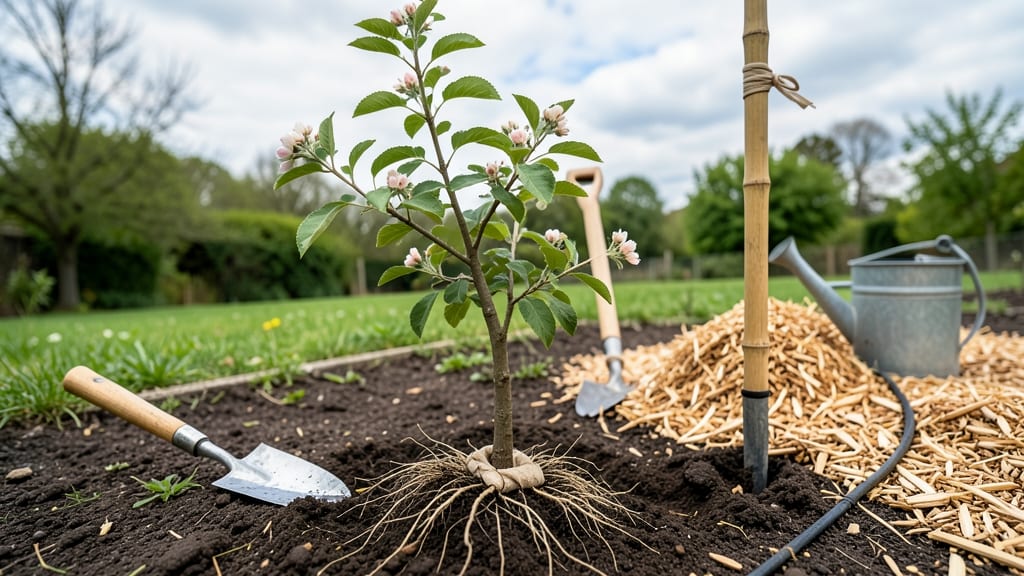
Planting an 🍎 Apple Tree in Oregon at the wrong time can mean the difference between a thriving orchard and a sad, struggling sapling.
The secret to success lies in understanding when your region's last frost will pass—or when the ground is just cool enough to protect young roots before winter sets in.
If you're in the Willamette Valley, timing is everything—plant too early and risk frost damage, too late and roots won’t establish before winter.
But here’s the good news: Oregon’s diverse microclimates mean you’ve got options, whether you’re in Zone 7b or 9a, and I’ll break down the best windows for each.
Most gardeners swear by fall planting, but spring has its advantages too—especially for bare-root trees. I’ll walk you through the ideal months for your specific area, plus pro tips to give your 🍎 Apple Tree the strongest start possible, no matter where you live in the state.
Ready to plant with confidence? Let’s dive into the best times to get your tree in the ground for decades of harvests—without the guesswork.
Best planting months for apple trees in Oregon by microclimate
Oregon’s diverse climate means planting apple trees at the wrong time can spell disaster—whether it’s late spring frosts in the Willamette Valley or early winter chills in Eastern Oregon. Each region has its own ideal window for planting, based on last frost dates and soil warmth.
Let’s break down the best months for three key Oregon microclimates to ensure your tree gets a strong start.
In the Willamette Valley, where mild winters and wet springs dominate, late winter to early spring (February–April) is prime for bare-root trees. Meanwhile, fall planting (September–October) works well here too, giving roots time to establish before winter rains arrive.
For the Columbia Gorge, cooler temperatures shift the window slightly later—March–May for spring or September–early October for fall, avoiding the region’s early frost risks.
Eastern Oregon’s high desert climate demands even more precision. Here, late April to early June is safest for spring planting, while fall planting must finish by mid-September to avoid freezing soils.
Each microclimate also has unique soil challenges: the Willamette Valley’s clay-heavy soils need amending, while Eastern Oregon’s sandy loam drains too quickly without organic matter.
Soil temperature is the hidden factor most gardeners miss. Apple tree roots need soil temps above 40°F (4°C) to grow actively. In Portland, this typically happens by mid-March, while Bend’s high desert waits until late April. Use a soil thermometer to check—planting too early can leave roots vulnerable to cold damage.
For container-grown apple trees, the rules relax slightly—you can plant almost year-round in Oregon, except during extreme heat (July–August) or freezing temperatures (December–February). However, fall planting still gives roots a head start.
If you’re in a warmer microclimate like the Umpqua Valley, aim for September–October; cooler areas like Mount Hood’s foothills should plant by mid-September.
Choosing the right apple tree variety also impacts timing. Cold-hardy varieties like ‘Granny Smith’ or ‘Fuji’ tolerate late spring frosts better than ‘Gala’ or ‘Honeycrisp’. In Eastern Oregon, ‘Enterprise’ (a pollinator-friendly apple) thrives in USDA Zone 7a, while ‘Pink Lady’ needs the Willamette Valley’s milder winters.
Always check the variety’s chill hour requirements—most apples need 500–1,000 hours below 45°F (7°C) annually.
After planting, mulch heavily (4–6 inches of wood chips) to insulate roots from temperature swings. In Eastern Oregon’s dry climate, mulch also retains critical moisture during the tree’s first growing season.
Water deeply once a week for the first month, then taper to every 10–14 days once established. Avoid overhead watering to prevent fungal diseases like apple scab, common in Oregon’s damp springs.
Pro tip: If you miss the ideal planting window, don’t panic. Container-grown trees can be planted in late fall (November) as long as the ground isn’t frozen. For bare-root trees, store them in a cool, moist place (like a garage) and plant in early spring.
Patience pays off—apple trees planted at the right time can live for 50+ years and produce fruit for decades.
Ready to plant? Grab your soil thermometer, check your local frost dates, and pick a variety suited to your microclimate. With the right timing, your
Signs your Oregon soil and climate are ready for apple tree planting
Before you dig that hole for your 🍎 apple tree, Oregon’s climate demands careful timing. The soil temperature must be right—too warm and roots struggle, too cold and they risk frost damage.
In most of Oregon, aim for 40–50°F soil temps, which typically aligns with late winter to early spring or fall planting windows.
Check your local frost-free dates—Portland’s last frost averages March 15, while Eugene’s can linger until April 15. Planting too early in colder zones like Zone 7b (e.g., Eastern Oregon) means risking frost damage to tender roots.
Meanwhile, Zone 9a areas (like the Rogue Valley) can plant slightly later.
🚨 WARNING: Common Mistake Alert! 🚨
If you miss Oregon’s ideal September–October window, your tree’s roots won’t establish before winter. Cold soil + no root growth = weak tree next spring. For late fall plantings, use mulch (4–6 inches) and root protectors to shield young roots from freezing temps.
✅ Pro Tip: Test soil moisture—it should be damp but not soggy. Overly wet soil in winter can suffocate roots!
Next, assess your soil moisture. Oregon’s Willamette Valley often has high humidity, while Eastern Oregon can dry out fast. Stick your finger 6 inches deep—if it feels dry, water deeply 2–3 days before planting to help roots settle. Well-draining soil is critical; apple trees hate soggy feet!
Don’t overlook sunlight exposure. Apple trees need 6–8 hours of full sun daily. Shady spots (common in dense forests) will stunt growth. Test your site: If nearby plants struggle, your tree will too. South-facing slopes in Oregon are ideal—they warm up faster in spring.
Finally, choose the right tree variety for your microclimate. ‘Gala’ or ‘Fuji’ thrive in Zone 7b–8a, while ‘Granny Smith’ handles Zone 9a’s heat. Cold-hardy ‘Honeycrisp’ is a safe bet for Eastern Oregon. Always check the tag for USDA Zone compatibility.
With these soil, climate, and variety checks, your 🍎 apple tree will establish roots like a pro—no guesswork, just growth! 🌱