
Plants
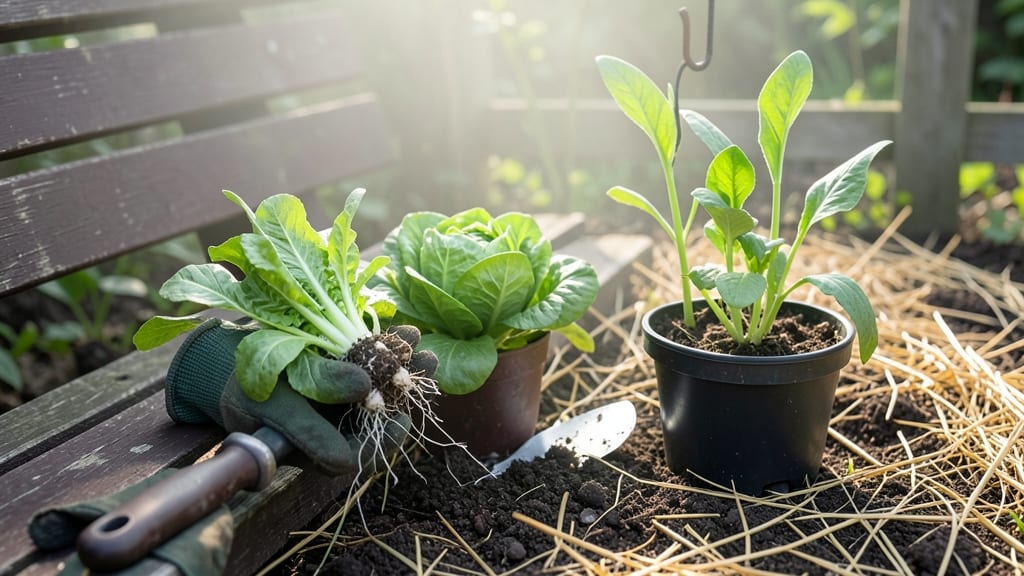
Planting lettuce 🥬 in Georgia at the wrong time can turn your crisp salad greens into bitter, bolted disappointment—but getting the timing right means a steady harvest of sweet, tender leaves all season.
With Georgia’s 7b-8b climate, the key is planting lettuce 4-6 weeks before your last frost (typically late February to early March) for spring harvests, or again in late summer for a fall crop.
Skip the summer months, when heat sends lettuce racing toward bolting faster than you can say "wilted salad."
I’ve learned the hard way that even a few degrees too warm can ruin your crop, but with the right strategy—like using shade cloth or choosing heat-tolerant varieties—you can stretch your growing season. Let’s break down the exact dates and tricks to keep your lettuce thriving from spring to fall.
Whether you’re a first-time gardener or a seasoned green thumb, these actionable tips will help you avoid common mistakes and enjoy fresh, homegrown lettuce for months. Ready to dig in?
Best planting dates for lettuce in Georgia’s climate zones
Georgia’s USDA zones 7a-8b create a unique challenge for growing lettuce—too early, and frost threatens tender seedlings; too late, and scorching summer heat sends your greens bolting. The key? Strategic spring and fall plantings timed to avoid these extremes.
In my North Georgia garden (zone 7b), I’ve learned that late winter to early spring and late summer to early fall are the sweet spots for crisp, sweet lettuce.
For spring plantings, start seeds indoors 4-6 weeks before your last frost date (typically mid-March in most of Georgia).
If you’re direct-sowing, aim for February to early March in cooler microclimates like the Blue Ridge Mountains, while central and southern Georgia (zone 8a-8b) can wait until late February to early March. The goal? Get seedlings established before soil temperatures exceed 70°F, which triggers bolting.
Here’s where Georgia’s microclimates come into play. In zone 7a (northwest Georgia), where frosts linger longer, I plant butterhead and romaine varieties as early as late January under row covers.
Meanwhile, in zone 8b (southeast Georgia)mid-February to avoid frost damage. Always check your local frost dates—they can vary by 1-2 weeks even within the same county!
| Planting Window | USDA Zones | Ideal Varieties | Heat Tolerance Tips |
|---|---|---|---|
| Late Winter (Feb) | 7a-7b (North GA) | Butterhead, Bibb, Romaine | Use row covers for frost protection |
| Early Spring (Mar) | 7b-8a (Central GA) | Leaf Lettuce, Oakleaf | Plant in partial shade to delay bolting |
| Late Summer (Aug) | 8a-8b (South GA) | Romaine, Green Leaf | Use shade cloth (30-50%) during peak heat |
| Early Fall (Sep) | All Zones | Heat-Tolerant Romaine, Buttercrunch | Avoid overwatering in humid fall air |
| Winter (Dec-Jan) | 7a (Mountain Zones) | Winter Density, Winter Marvel | Protect with mulch and cold frames |
⚠️ Critical: Soil temps above 75°F will trigger bolting—always check with a soil thermometer!
Fall plantings offer your second chance at crisp lettuce, but timing is just as critical. In zone 7a, I start seeds indoors in mid-July for transplanting in early August, while zone 8b gardeners can direct-sow until mid-September.
The secret? Aim to harvest before first frost (mid-November), but leave enough time for 45-60 days of growth. For heat-tolerant varieties like Jericho Romaine, you can push it to late September sowings.
Don’t overlook succession planting—this is how I keep a steady supply of lettuce from spring through fall. Every 2-3 weeks, I sow a new batch of seeds, starting with leaf lettuce (fastest to mature) followed by head varieties.
In my Atlanta garden (zone 7b), I plant leaf lettuce every 10 days from February to October, while head lettuce gets staggered every 3 weeks from March to September. This ensures I’m always harvesting something fresh!
For heat-sensitive varieties, I rely on shade cloth (30-50%) during late spring and summer. A simple floating row cover or shade net can drop soil temperatures by 10-15°F, delaying bolting.
I also avoid planting bolt-prone varieties like Iceberg in summer—opt for heat-tolerant romaine or oakleaf lettuce instead. Pro tip: Mulch heavily with straw or wood chips to keep roots cool and moist.
One common mistake I see? Planting lettuce too early in spring without protection. Young seedlings can’t handle hard frosts, even in zone 7a. Always use row covers or cold frames for early plantings. And in fall, avoid sowing too close to frost—3-4 weeks before first frost is ideal for most varieties. For winter harvests in zone 7a, I plant
How to extend lettuce harvests using succession planting
Succession planting is my secret weapon for beating Georgia’s heat and keeping the lettuce harvest flowing all season. Instead of planting everything at once and watching it bolt in the summer sun, I space out my plantings every 2-3 weeks.
This ensures a steady supply of fresh, crisp lettuce from spring through fall without the bitter disappointment of bolting.
For Georgia’s 7b-8b climate, start your first round of lettuce seeds 4-6 weeks before your last frost date—typically late February to early March. Then, repeat plantings every 2-3 weeks until early May.
This staggered approach gives you a continuous harvest until the summer heat sets in, usually around June.
A key trick I’ve learned is using shade cloth (30-50%) during the hottest afternoons to protect your lettuce from bolting. This simple tool can make all the difference in extending your harvest by 3-4 weeks into the summer.
Just drape it over a hoop or frame and secure it with stakes.
For a fall harvest, kick off your second planting round in late July or early August, about 8-10 weeks before your first frost. This timing ensures your lettuce matures before the cold sets in.
Again, use shade cloth to protect young plants from the lingering summer heat, and choose heat-tolerant varieties like Romaine or Buttercrunch.
Another strategy I swear by is crop rotation. After harvesting your lettuce, replace it with a cool-season crop like spinach or kale. These plants thrive in the same conditions and help break pest and disease cycles, setting your garden up for success in the next planting cycle.
With these techniques, I’ve turned my Georgia garden into a lettuce powerhouse, enjoying fresh greens from March through November. The key is staying consistent with your plantings and being ready to adapt when the weather throws a curveball. Happy growing! 🥬