
Plants
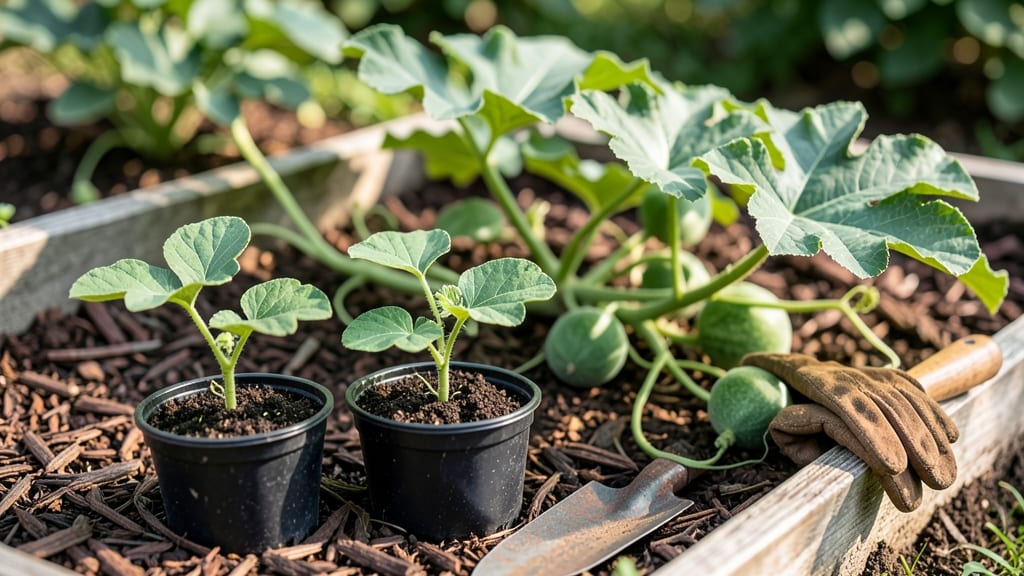
Planting watermelons in Tennessee isn't a one-size-fits-all task—your county's last frost date and heat zone could mean the difference between a bountiful harvest and a sad, wilted vine. Whether you're in the cooler Appalachian highlands or the steamy Memphis lowlands, timing is everything for these sun-loving 🌱 melons.
I've seen gardeners in East Tennessee rush to plant too early, only to watch their seedlings freeze, while those in West Tennessee wait until July—missing the sweet spot for summer harvests.
The key is knowing when your soil warms up to at least 50°F and understanding your local frost patterns, which can vary by 3-4 weeks across the state.
In this guide, I'll break down exactly when to plant in your specific Tennessee county, whether you're starting seeds indoors for a head start or going straight to direct sowing. You'll learn how to adjust for microclimates, soil types, and even urban heat islands that can trick your planting schedule.
By the end, you'll have a clear timeline tailored to your location, plus pro tips to avoid common mistakes that Tennessee gardeners make year after year. Let's get those melons growing right!
Tennessee’s watermelon planting calendar by heat zone & last frost dates
Tennessee’s diverse climate creates a patchwork of planting windows for watermelons. In the Appalachian Plateau, cooler temperatures demand earlier starts, while West Tennessee’s river valleys can handle late-season plantings. The key? Soil temperature—watermelons need 50°F+ to germinate, and last frost dates vary by 100+ days across the state.
I’ve broken down planting windows by USDA heat zones and county clusters, so you can match your location to the perfect timing. Whether you’re in East Tennessee’s mountains or Middle Tennessee’s urban heat islands, these guidelines will help you avoid frost damage and maximize your harvest.
Use this comparison-table to find your county’s ideal planting window. For direct sowing, aim for 2-4 weeks after your average last frost date, but adjust for soil warmth—not just air temperature.
In cooler zones, start seeds indoors 3-4 weeks early or use black plastic mulch to warm the soil faster.
For East Tennessee’s cooler zones, like Sullivan or Johnson County, wait until mid-May to plant outdoors. The Appalachian Plateau often sees late frosts, so use row covers if planting early.
In Middle Tennessee, like Nashville’s Davidson County, you can start as early as mid-April, but soil may still be too cold—use a soil thermometer to confirm 50°F+.
West Tennessee’s warmer microclimates, such as Memphis (Shelby County), allow for earlier plantings—even late February for indoor starts. The Mississippi River Valley retains heat longer, so direct sow can begin by mid-March.
If you’re in Tipton County, you might even squeeze in a late-season harvest by planting mid-July for fall melons.
Pro tip: Black plastic mulch can raise soil temperatures by 10-15°F, letting you plant 2-3 weeks earlier in cooler zones. In urban areas like Chattanooga (Hamilton County), heat islands may push your planting window 1-2 weeks earlier than rural areas.
Always check microclimate conditions—a south-facing garden warms faster than a shady spot.
If you’re unsure about your county’s last frost date, check the Tennessee State University Extension or use the Almanac’s Frost Calculator. For high-elevation areas (e.g., Sevier County), add 1-2 weeks to the table’s recommendations.
And remember: Soil temperature matters more than air temperature—70°F+ is ideal for germination.
Once planted, watermelons thrive in heat, so avoid overwatering—they need 1-2 inches of water weekly once established. In drought-prone West Tennessee, drip irrigation is your best friend. For East Tennessee’s humid climate, ensure good airflow to
How to adjust planting for Tennessee’s microclimates & soil types
Tennessee’s varied geography—from the Appalachian Plateau to the Mississippi River Valley—creates unique growing conditions. Your elevation and soil type can shift watermelon planting windows by 2-4 weeks.
In cooler highland areas like Johnson City, start seeds indoors 4-6 weeks earlier than in Memphis, where heat arrives sooner. Understanding these microclimates helps you avoid frost damage or overly mature fruit before harvest.
Urban heat islands in cities like Nashville and Chattanooga can make soil 5-10°F warmer than rural areas, accelerating growth. Meanwhile, clay-heavy soils in West Tennessee retain moisture longer, delaying planting until soil warms to 70°F+.
Organic matter amendments like compost or aged manure can help balance these extremes, creating ideal conditions for watermelon vines.
🌱 Adjusting for Microclimates: Key Strategies
- High Elevation (1,000+ ft): Use cold frames or row covers to extend the season. Start seeds indoors in March for outdoor transplanting by mid-May.
- Urban Heat Islands: Plant 1-2 weeks earlier than rural areas. Use black plastic mulch to warm soil faster and reduce water evaporation.
- Clay Soils: Amend with sand or compost to improve drainage. Test soil pH (6.0-6.8 ideal) and add lime if needed.
- Lowland Areas: Direct-sow seeds after last frost (typically mid-April) when soil reaches 70°F. Use drip irrigation to prevent fungal diseases in humid conditions.
- Organic Matter: Add 3-4 inches of compost to raise soil temperature faster. This is especially critical in sandy soils, which warm quickly but lack nutrients.
For Appalachian Plateau regions, consider trellising watermelons to save space and improve air circulation. Smaller varieties like 'Sugar Baby' thrive in these cooler climates, while 'Crimson Sweet' suits the warmer river valleys.
Always monitor soil temperature with a soil thermometer—watermelons won’t germinate below 60°F, and growth stalls under 55°F.
If you’re in East Tennessee, prioritize early-maturing varieties (60-70 days to harvest) to avoid fall frosts. In West Tennessee, you can afford slightly later plantings (up to June 1) for a fall harvest.
Just ensure vines have 80-100 days of warm weather to mature fruit properly.
Pro tip: Mulch heavily with straw or grass clippings to maintain even soil temperatures. This reduces stress on vines during temperature swings, which are common in Tennessee’s transitional seasons. Pair this with consistent watering (1-2 inches per week) to prevent cracked fruit—a common issue in clay-heavy soils.
By tailoring your approach to your local microclimate, you’ll maximize your watermelon yield and enjoy sweeter, more flavorful fruit. Start with a soil test and observe your garden’s unique conditions—your first harvest will thank you! 🌿