
Planting
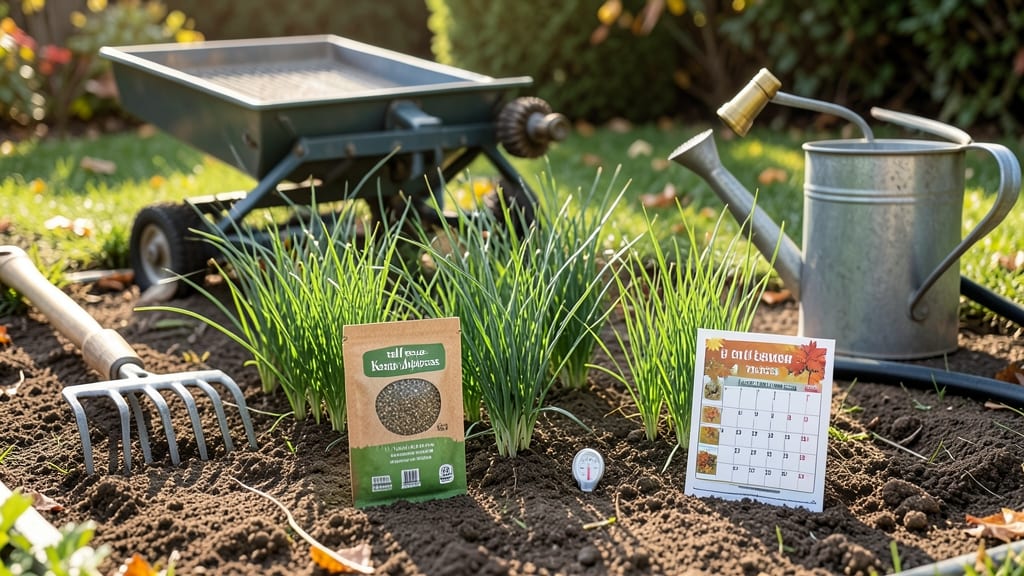
Planting grass seed in Kentucky after mid-September feels like playing a high-stakes game of chance—when is it too late to plant grass seed in Kentucky? The answer depends on your USDA zone, soil temperature, and the type of 🌱 Turfgrass (Cool-Season) you’ve chosen.
Most Kentucky gardeners know the ideal window for cool-season grass is early fall, but life happens. If you’re staring at bare patches in October, don’t panic—there’s still a chance to salvage your lawn.
The key is understanding your local frost dates and how to give new seedlings the best shot at survival.
In this guide, I’ll break down the exact last-minute deadline for planting in your part of Kentucky (6a-7a), plus proven tricks to extend your window. Whether you’re dealing with northern Kentucky’s earlier frosts or southern Kentucky’s slightly longer growing season, these strategies will help you avoid costly mistakes.
Ready to turn those bare spots into lush grass? Let’s dive into how to plant late—and still get results before winter sets in.
Kentucky’s last safe date to plant grass seed before winter frost
Kentucky’s fall planting window for grass seed closes faster than you think. While late September is ideal, mid-October can still work—if you follow the science. Cool-season grasses like tall fescue and Kentucky bluegrass need 4-6 weeks to establish roots before winter dormancy.
Miss that window, and frost will kill your seedlings before they take hold.
Your last safe planting date depends on your USDA zone (6a-7a) and local microclimates. Northern Kentucky (zones 6a) faces frost as early as October 10-15, while southern areas (zones 7a) may stretch until October 20-25.
Check the National Weather Service or Kentucky Mesonet for your county’s first frost forecast—this is your deadline.
Soil temperature is the real tiebreaker. Grass seeds need soil at least 50°F (10°C) for germination. Use a soil thermometer to test—if temps drop below 45°F (7°C), germination stalls. In 2024, Kentucky’s average first frost is October 15, so aim to plant by September 20-25 for safety.
Regional microclimates can shift your deadline by weeks. Lawns in urban areas (like Louisville) warm longer than rural spots, while mountain regions (eastern KY) freeze earlier. If you’re in doubt, plant annual ryegrass—it germinates faster (5-10 days) and handles cooler soils better than fescue.
Warm-season grasses (like Bermuda or Zoysia) are a no-go in fall—they go dormant and won’t survive Kentucky winters. Stick to cool-season varieties like tall fescue (drought-tolerant) or fine fescue (shade-friendly) for fall planting.
| Factor | Northern KY (Zone 6a) | Central KY (Zone 6b) | Southern KY (Zone 7a) |
|---|---|---|---|
| Last Safe Planting Date | September 20–25 | September 25–October 5 | October 5–15 |
| First Frost Average | October 10–15 | October 15–20 | October 20–25 |
| Soil Temp Threshold | ≥50°F (10°C) | ≥50°F (10°C) | ≥50°F (10°C) |
| Best Grass Seed | Tall fescue + ryegrass | Fine fescue mix | Kentucky bluegrass blend |
| Germination Time | 14–21 days | 10–14 days | 7–10 days |
| Emergency Backup | Frost cloth + mulch | Winter rye cover crop | Spring overseeding |
If you’re planting after October 1, prioritize seed-to-soil contact. Rake the area to expose bare soil, then press seeds lightly with a lawn roller.
Water daily until germination (about ¼ inch per week), then reduce to 2-3 times weekly once sprouts appear. Morning watering prevents fungal diseases like snow mold, common in Kentucky’s damp winters.
For late-October plantings, use a mulch layer (straw or peat moss) to insulate seeds. This buys 2-3 extra weeks of warmth. Pair it with frost cloth if a frost warning appears. Just remove the cloth by 10 AM on sunny days
5 Signs it’s Actually Too Late to Plant Grass Seed (And What to Do Instead)
Kentucky’s fall weather can be a tricky lawn gamble. You might think you’ve got time to plant grass seed in late October, but soil temperatures below 50°F and unpredictable frost can derail your plans faster than you think.
If you’re still debating whether to seed now or wait, watch for these 5 red flags that signal it’s truly too late—and what to do instead.
First, check your local frost forecast. In Kentucky’s USDA zones 6a-7a, the first hard frost typically arrives between October 15-30. If your forecast shows frost within the next 2-3 weeks, your grass seed won’t have enough time to establish roots before winter dormancy sets in.
Cool-season grasses like tall fescue and Kentucky bluegrass need 4-6 weeks to germinate and develop a strong root system.
🌱Here’s the hard truth: If you’ve missed the ideal window (late August to mid-September), your seed may sprout but won’t survive the winter. That’s why I’m sharing these 5 unmistakable signs it’s time to pivot your lawn strategy.
-
1. Soil temps drop below 50°F
Grass seed struggles to germinate when soil temps fall below 50°F. Use a soil thermometer to check—if it’s cooler, your seed will sit dormant or rot.
-
2. Frost is predicted within 2 weeks
Even if your seed sprouts, frost will kill tender new shoots. Check the National Weather Service for your county’s frost date.
-
3. Seed dormancy risks rise
Cool-season grasses like ryegrass may germinate slowly in cold soil, leaving them vulnerable to fungal diseases or frost damage.
-
4. Weeds outcompete new grass
If your lawn already has crabgrass or clover, late-season seed won’t outgrow them before winter.
-
5. Your seed packet says “fall planting” but it’s past October
Most cool-season grass seed labels recommend planting by mid-October. If you’re seeding in November, you’re playing roulette.
If you’ve spotted any of these signs, don’t panic! There are still ways to salvage your lawn without waiting until spring. One of my favorite emergency solutions is overseeding with annual ryegrass. This fast-growing grass germinates in 5-10 days and provides temporary coverage while you prep for spring planting.
Just scatter the seed lightly over your existing lawn in late fall, and it’ll give you a green carpet by winter.
Another smart move is to plant a winter rye cover crop. It protects your soil from erosion, suppresses weeds, and improves soil health—giving your lawn a head start next spring. Plus, it’s a low-cost, high-reward strategy that even beginner gardeners can master.
For best results, sow the ryegrass in late October and let it grow until spring, when you can mow it down and plant your permanent grass seed.
If you’re completely out of time, shift your focus to spring prep. Start by testing your soil’s pH and nutrient levels now—you’ll need to amend it before planting in March or April.
Remove any remaining weeds, aerate compacted soil, and mark your calendar for early spring seeding. Trust me, a well-prepped lawn in spring will outperform a rushed fall attempt every time.
🌿 The bottom line? Don’t let the fear of frost stop you from taking action—just adapt your strategy. Whether you choose overseeding, a cover crop, or spring prep, your lawn can still thrive.
And remember, the Evergreen Seeds Team is always here to help you grow something amazing, no matter the season!