
Plants
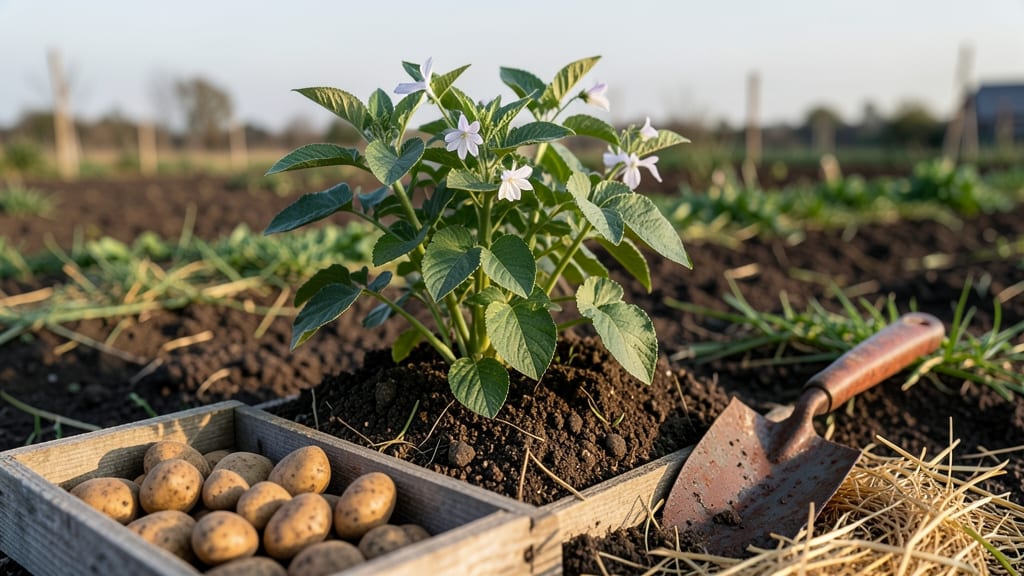
Planting potatoes at the wrong time in Georgia could mean watching your 🥔 harvest disappear before it even starts—thanks to frost or stunted growth. The key to success lies in understanding your local climate, especially since Georgia’s USDA zones 7b-8b offer two distinct planting windows that most gardeners overlook.
Most gardeners assume spring is the only option, but late-winter plantings (as early as January) can give you an edge in warmer southern regions, while early spring (February-March) works best in cooler northern areas.
The difference between these timings isn’t just weeks—it’s about avoiding frost damage and maximizing your yield before summer heat sets in.
I’ve tested both approaches in Georgia’s variable climate, and what I’m about to share will help you pick the perfect moment for your garden. Whether you’re a first-time grower or a seasoned pro, these insights will ensure your potatoes thrive from soil to harvest.
Ready to unlock the secrets of zero-frost success? Let’s dive into the exact timing, soil prep, and climate tricks that make all the difference in Georgia’s gardens.
Georgia’s ideal potato planting window: frost-free timing by region
Georgia’s diverse climate means your potato planting timeline should match your specific region. In North Georgia (USDA zones 7a-7b), cooler temperatures and later frost dates demand earlier planting, while South Georgia (zones 8a-8b) offers a longer growing window.
Central Georgia (zone 7b-8a) falls somewhere in between, giving you flexibility for both early and late varieties. Understanding these regional differences helps you avoid frost damage and maximize your harvest.
Potatoes thrive when planted 4-6 weeks before the last frost date, but Georgia’s frost-free season varies dramatically. North Georgia typically sees its last frost around March 15-30, while South Georgia’s last frost often occurs by March 1-15.
Central Georgia usually falls between these dates, with frost-free conditions arriving by March 10-25. Planting too early risks frost heave, while waiting too late shortens your growing season.
Here’s a quick reference for Georgia’s potato planting windows by region, including soil temperature requirements and frost-free days:
| Region | USDA Zone | Last Frost Date | Ideal Planting Window | Soil Temp (°F) | Frost-Free Days |
|---|---|---|---|---|---|
| North Georgia | 7a-7b | March 15-30 | February 15 - March 15 | 45-50°F | 210-240 |
| Central Georgia | 7b-8a | March 10-25 | February 1 - March 10 | 50-55°F | 220-250 |
| South Georgia | 8a-8b | March 1-15 | January 20 - February 28 | 55-60°F | 230-260 |
For North Georgia gardeners, aim to plant between mid-February and mid-March to ensure tubers develop before summer heat sets in. Early varieties like Yukon Gold or Red Pontiac are ideal for this region, as they mature in 90-100 days.
In Central Georgia, you can stretch your planting window slightly later, from early February to mid-March, accommodating both early and mid-season varieties.
South Georgia’s warmer climate allows for earlier planting, starting as early as late January. This extended window lets you grow late-season varieties like Russet or Kennebec, which thrive in Georgia’s heat and produce high yields.
However, be cautious—planting too early in South Georgia can lead to disease pressure from Georgia’s humid summers, so choose disease-resistant varieties when possible.
Timing also affects tuber development. Planting too early in cooler regions risks frost heave, where frozen soil expands and pushes tubers closer to the surface, making them vulnerable to sunlight (which turns them green and toxic).
Conversely, late planting in any region shortens the growing season, resulting in smaller yields. Aim for a balanced approach: plant when soil temperatures reach 45°F and the last frost is at least 4-6 weeks away.
Georgia’s humid climate also means disease risk increases with late planting. Early planting gives potatoes time to mature before summer humidity peaks, reducing the likelihood of blight or scab.
For extra protection, use disease-resistant varieties like Kennebec or Adirondack Red, and apply a mulch layer to keep soil moist and even.
Pro tip: Use a soil thermometer to check temperatures before planting. Potatoes need soil that’s at least 45°F for sprouts to emerge consistently. If your soil is too cold, wait a few weeks or use black plastic mulch to warm it faster.
This is especially useful in North Georgia’s cooler springs.
Finally, consider a second planting in late summer (August-September) for a fall harvest. This works best in Central and South Georgia, where the climate remains warm enough for tubers to develop before the first frost. Use fast-maturing varieties like New Potatoes for this approach, and harvest before the first
How to adjust planting time for Georgia’s microclimates and soil conditions
Georgia’s diverse microclimates and soil types can make potato planting tricky. Urban gardeners in Atlanta face different challenges than those in the Blue Ridge Mountains, where cooler temperatures and rocky soil demand special care.
Meanwhile, sandy soils in coastal areas drain too quickly, while clay-heavy soils in central Georgia can suffocate roots. Adjusting your planting time and using the right techniques can turn these challenges into opportunities for a bountiful harvest.
For high-altitude areas like the Blue Ridge, aim to plant seed potatoes 2-3 weeks earlier than the general recommendation. Cooler nights slow growth, so starting in late January instead of February gives plants a head start.
In urban heat islands like downtown Savannah, you can push planting to early March—just be prepared to harvest sooner to avoid summer heat stress. Soil type also plays a critical role: sandy soils warm faster but dry out quicker, while clay soils hold moisture but can become waterlogged.
- 🌡️ High-Altitude Areas (Blue Ridge): Plant 2-3 weeks earlier (late January) to extend the growing season. Use black plastic mulch to warm soil faster.
- 🏙️ Urban Heat Islands: Delay until early March to avoid summer heat. Opt for heat-tolerant varieties like 'Yukon Gold'.
- 🏖️ Sandy Soils (Coastal GA): Plant 1-2 weeks earlier (early February) and mulch heavily with straw or pine needles to retain moisture.
- 🏞️ Clay Soils (Central GA): Amend with compost or peat moss 4-6 weeks before planting. Choose early-maturing varieties to avoid summer waterlogging.
- 🌱 Soil Warming Tricks: Use row covers or clear plastic tunnels to raise soil temps by 5-10°F, ideal for late starts.
If your soil is slow to warm, try soil warming methods like black plastic mulch or even a DIY greenhouse made from plastic bottles. These tricks can shave 2-3 weeks off your growing season, giving you flexibility if you miss the ideal window.
For urban gardeners with limited space, consider container growing—just use a high-quality potting mix and larger pots (at least 12 inches deep) to accommodate tuber growth. Containers also let you move plants to sunnier spots if needed.
Mulching is another game-changer for Georgia’s variable conditions. Apply 3-4 inches of organic mulch (like straw or wood chips) after planting to regulate soil temperature and suppress weeds. In sandy soils, mulch helps retain moisture, while in clay soils, it prevents crusting and improves aeration.
For high-altitude areas, mulch also insulates roots from late spring frosts, which can still occur in April in the mountains.
Don’t forget to prepare your soil 4-6 weeks before planting. A simple checklist ensures you’re ready: test soil pH (aim for 5.0-6.5), add compost or aged manure, and loosen the soil to 12 inches deep.
For clay-heavy soils, mix in sand or perlite to improve drainage. In sandy soils, incorporate peat moss or coconut coir to boost water retention. These steps create the perfect foundation for your potatoes, no matter where you garden in Georgia.
By adjusting your planting time and using these soil-specific strategies, you’ll be well on your way to a successful potato harvest. Georgia’s climate is unpredictable, but with the right approach, you can turn its challenges into a bountiful harvest—whether you’re in the mountains, the city, or the coast.
Happy gardening! 🌱