Plants
When is the best time to plant sod in Texas? It isn’t just about rolling it out—it’s about catching the perfect window to ensure your 🌱 thrives in the heat. If you time it wrong, you’ll end up with patchy growth, wasted money, and a lawn that wilts before it even takes root.
I’ve learned the hard way that Texas’ brutal summers and unpredictable rains mean your planting schedule can make or break your yard. The key is knowing when soil temps hit that sweet spot—60°F or higher—and avoiding those scorching months when even the hardiest grasses struggle.
Whether you’re in North Texas with its cooler springs or South Texas where the heat arrives early, the best months to plant sod are late winter to early spring (February–April) or late summer to early fall (August–October). But here’s the catch: your exact timing depends on your region’s microclimate.
In this guide, I’ll break down the fastest, most reliable planting windows by zone, plus the exact triggers (like rainfall and humidity) that signal “go time.” Let’s get your lawn off to the right start—no guesswork, just results.
Best months to plant sod in Texas by region: cool season vs. warm season grasses
Texas' diverse climate means one-size-fits-all sod planting doesn't work. North Texas' cool-season grasses like Bermuda thrive in spring, while South Texas' warm-season grasses like St. Augustine prefer fall planting. Even Central Texas' transition zones demand precise timing to avoid heat stress or frost damage.
I'll break down the ideal planting windows by region, including soil temperature thresholds that guarantee root establishment.
For North Texas (USDA Zones 7b-8a), think late winter to early spring (February-April). This aligns with soil temperatures above 60°F and avoids the brutal summer heat.
In Central Texas (Zones 8a-8b), you've got a narrow window—plant in March-April or September-October—to balance cool mornings with warm afternoons. Meanwhile, South Texas (Zones 9a-10b) favors late summer to early fall (August-October), when humidity drops and soil stays warm.
In North Texas, I recommend Bermuda grass for its drought tolerance and fast root growth when planted in March.
The 60°F soil threshold ensures roots establish before summer heat arrives. Zoysia is another great choice here—it handles cool winters better than St. Augustine but still needs spring planting.
Central Texas gardeners face a transition zone challenge. If you plant Tall Fescue (a cool-season grass) in March, it thrives until summer, but you'll need to overseed in fall.
For St. Augustine, aim for September when soil temps stay above 70°F and humidity drops—this prevents fungal issues that plague summer plantings.
South Texas' St. Augustine grass demands late summer planting (August-September) to avoid hurricane season and extreme heat. The 70°F soil rule here is non-negotiable—cooler soils slow root growth, and fungal diseases like brown patch thrive in wet, warm conditions.
I've seen sod fail miserably when planted in June or July because the combination of heat and humidity stresses young roots.
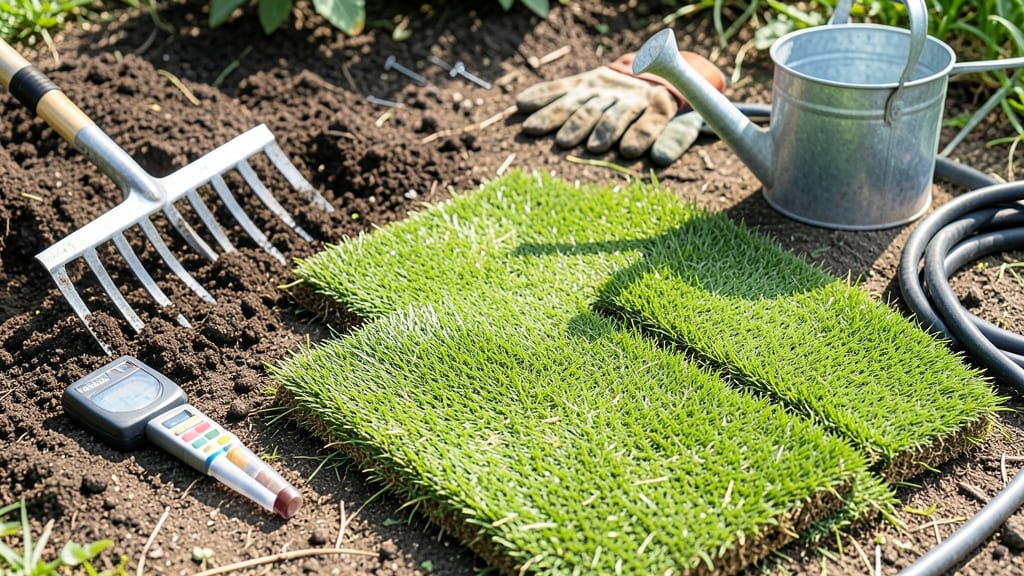
Pro tip: Use a soil thermometer to check depths of 2-4 inches. If temps dip below your region's threshold, wait 1-2 weeks.
I once planted Bermuda sod in April in North Texas when soil was only 58°F—the roots took 3 weeks longer to establish, and the sod struggled through May's heat waves. Patience here saves money and stress.
Another critical factor is rainfall timing. In Central Texas, planting in September means natural rainfall helps establish roots, but in South Texas, August showers can delay planting.
Always check the 10-day forecast—you want consistent moisture without flooding risks. I adjust my schedule based on NOAA's seasonal outlooks to avoid planting during predicted drought periods.
For urban vs. rural Texas, consider microclimates. A shady backyard in Dallas might stay cooler than a sun-exposed lot in Houston. If your area gets hotter than average, plant 2-4 weeks earlier than the general guidelines. I've had success planting Zoysia in late
Critical factors that determine sod planting success in Texas climates
Texas' extreme climate—think 100°F summers and freezing winter nights—can turn sod planting into a high-stakes gamble. I’ve seen sod fail spectacularly when planted during heatwaves or droughts, only to thrive when timed perfectly. The difference? Understanding how humidity, rainfall, and temperature interact with your grass type.
For example, Bermuda grass in North Texas needs soil temps above 60°F to root, while St. Augustine in South Texas wilts if planted during 90°F+ heat. Even rainfall patterns shift between urban Dallas (where sprinklers dominate) and rural West Texas (where drought is the norm).
Urban areas like Houston face high humidity that can suffocate new sod, while rural areas like Lubbock deal with low humidity and strong winds that dry out roots faster.
These factors force me to adjust my planting schedule—sometimes by weeks—depending on whether I’m in a city oasis or a dryland ranch.
⚠️ callout-warning ⚠️
⚠️ Texas Sod Planting Red Flags
Planting too early: Soil temps below 60°F stall root growth—common in North Texas before March. Your sod may rot instead of root.
Planting too late: Waiting until June+ means battling 100°F+ heat and drought stress, even for heat-tolerant grasses like Zoysia.
Ignoring humidity: Urban areas (e.g., Austin, San Antonio) see 90%+ humidity in summer—ideal for fungal diseases if sod isn’t established.
Skipping rainfall checks: Rural areas like Midland or El Paso may need supplemental watering even after planting due to low annual rainfall.
Let’s break down the three critical climate factors that dictate your sod’s survival—and how to tweak your schedule for urban vs. rural Texas. First, temperature is non-negotiable: sod roots best when soil temps stay between 60°F and 85°F.
In North Texas, this means aiming for March–April, while South Texas gardeners should plant in August–September to avoid summer’s brutal heat.
Next, humidity plays a sneaky role. High humidity (like in Houston) can smother new sod with fungal diseases if not watered correctly. I’ve had to increase airflow around newly laid sod in humid zones by spacing out watering sessions.
Meanwhile, low humidity in West Texas means sod dries out faster—requiring daily watering for the first 2 weeks.
Finally, rainfall reliability changes everything. Rural areas like Lubbock or Amarillo often rely on irrigation because natural rainfall is sparse. Urban areas might get excess rain in spring, which can waterlog sod if drainage is poor.
Always check your local NOAA rainfall forecasts before planting—especially in transition zones like San Antonio or Waco.
Adjusting for urban vs. rural conditions means watching for local microclimates. For example, Dallas suburbs might have 5°F warmer soil temps than nearby rural areas due to urban heat islands.
Use a soil thermometer to confirm temps before planting—it’s the only way to avoid costly mistakes in Texas’ unpredictable climate.