
Companion Plants
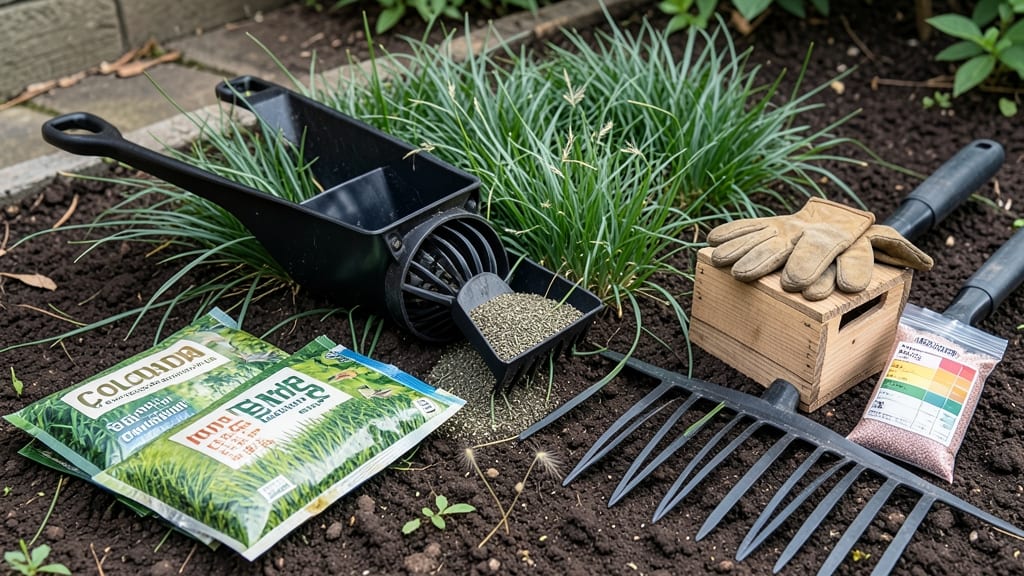
Planting grass seed at the wrong time in Colorado can leave your lawn weak, patchy, or struggling to survive—especially with the state’s unpredictable climate swings and high-altitude challenges.
If you're dreaming of a lush, green lawn, timing is everything. Colorado’s 5-7 USDA zones mean your neighbors at 5,000 feet might have a different schedule than those at 8,000 feet.
But don’t worry—I’ll break down the exact windows for planting your 🌱 grass seed in early spring or fall so you avoid costly mistakes.
You’ll learn how to align your planting with Colorado’s frost dates, soil temperatures, and regional microclimates. Whether you’re in Denver, Fort Collins, or the mountains, these insights will help you establish a strong root system before winter hits.
Let’s dive into the best deadlines for planting, so you can skip the guesswork and get that perfect lawn you’ve been hoping for.
Best Colorado grass seed planting deadlines: spring vs fall timing explained
Colorado’s diverse climate—from high-altitude mountains to dry plains—means your grass seed planting window can shift dramatically depending on location. While late summer to early fall is often ideal, early spring offers a second chance for lawn lovers.
The key is understanding your USDA zone (typically 5-7) and soil temperature thresholds for germination.
In my experience, fall planting (August-September) gives grass seeds a head start before winter dormancy, while spring planting (March-April) requires patience for soil warming. Both seasons have pros and cons, especially when factoring in Colorado’s unpredictable frost dates and drought cycles.
Let’s break down the best timing for each approach.
🌱 Soil temperature is your #1 guidepost. Grass seeds need soil at least 50°F (10°C) to germinate—warmer is always better. In Denver’s front range, this typically happens by mid-April, while mountain regions like Aspen may wait until May. Fall planting works because daytime temps stay warm while nights cool, reducing stress on young seedlings.
Here’s the critical comparison between spring vs fall planting in Colorado, including ideal windows, risks, and success factors:
| Spring Planting (March-April) | Fall Planting (August-September) | ||
|---|---|---|---|
| Factor | Details | Factor | Details |
| Ideal Window | March 15 - April 30 (after last frost, soil ≥50°F) | August 15 - September 15 (6-8 weeks before first frost) | |
| Soil Temp | 50-70°F (warming slowly; risk of late frosts) | 60-75°F (warm days, cool nights—ideal for root growth) | |
| Water Needs | High (drought risk; needs consistent moisture) | Moderate (cooler temps reduce evaporation) | |
| Germination Time | 7-14 days (slower in cooler soil) | 5-10 days (warmer soil speeds up sprouting) | |
| Establishment Risk | Late frosts, weeds outcompeting seedlings | Weeds, early winter freeze before roots deepen | |
| Best For | Cool-season grasses (Kentucky Bluegrass, Fescue) in low-elevation areas | All grass types (especially drought-resistant blends) | |
| Pro Tip | Use starter fertilizer to boost early growth | Mulch lightly to retain moisture and regulate temps | |
For spring planting, I recommend testing soil moisture weekly—Colorado’s Chinook winds can dry out seedlings faster than expected.
If you’re in Zone 6 or below (like Grand Junction), wait until mid-April to avoid frost damage. Fall planting, on the other hand, lets grass establish roots before winter, making it my top choice for high-altitude areas where springs are short and unpredictable.
Another critical factor is grass seed variety. Kentucky Bluegrass and Tall Fescue thrive in both seasons but need consistent watering—especially in spring. If you’re in dryland regions (e.g., western slope), consider drought-tolerant blends like Buffalo Grass and plant in late summer to avoid summer heat stress.
Don’t overlook soil preparation—whether planting in spring or fall. Aerate 2-4 weeks before seeding to improve root penetration, and add compost to boost organic matter. In clay-heavy soils (common in Denver), mix in sand or peat moss to improve drainage.
Pro tip: Test your soil pH (ideal range: 6.0-7.0 for most grasses) before planting.
One mistake I’ve seen Colorado gardeners make is planting too late in fall. If you wait until October, seedlings may not establish deep roots before first frost (typically mid-October in mountains, late October in plains).
Aim to finish planting 6-8 weeks before frost to give grass time to develop a 4-inch root system.
Finally, watering strategy makes or breaks success. In spring, water lightly 2x daily (morning and evening) to keep soil moist but not soggy. In fall, deep water every 3-4 days to encourage deep roots.
Use a rain gauge to track 1-1.5 inches of water per week—Colorado’s arid climate means you can’t rely on rainfall alone.
For mountain regions (e.g., Eagle County), shift your window 2-4 weeks later than front-range cities. The thin air and cooler temps delay germination, so late May to early June becomes your spring window, and September 15-October 1 is safer for fall.
Always check your local CoCoRaHS station for real-time soil temp data—it’s a game-changer for high-elevation gardeners.
How to adjust planting dates for Colorado’s elevation zones and soil conditions
Colorado’s elevation zones create dramatic differences in planting schedules. A lawn in Denver (5,280 ft) thrives with a different timeline than one in Aspen (7,900 ft). Higher elevations mean cooler soils and later frost dates, so adjusting your grass seed planting window is key to success.
For front-range cities like Denver and Boulder, aim for mid-March to mid-April in spring or late August to early September in fall. Meanwhile, mountainous regions like Vail should wait until late April to early May in spring or mid-September in fall to avoid frost damage.
The soil conditions also play a huge role. Rocky terrain in the mountains drains too quickly, while clay-heavy soils in the plains can suffocate roots. I’ll walk you through soil prep tricks for each zone to ensure your 🌱 grass seed gets the perfect start.
| Region | Spring Planting Window | Fall Planting Window | Soil Prep Tip |
|---|---|---|---|
| Front Range (Denver, Boulder) | Mid-March to mid-April | Late August to early September | Mix in compost to improve clay soils |
| High Plains (Fort Collins) | Late March to early April | Early September | Add organic matter for better water retention |
| Mountainous (Aspen, Vail) | Late April to early May | Mid-September | Use mulch to protect rocky, shallow soils |
In Denver and Boulder, focus on Kentucky Bluegrass or Tall Fescue, which handle the clay-heavy soils common in the plains. For Fort Collins, Fine Fescue is a great drought-tolerant option. Meanwhile, mountainous regions should opt for Wheatgrass or Ryegrass to withstand cooler temperatures.
Before planting, test your soil’s pH level—ideal for grass is between 6.0 and 7.5. If your soil is too acidic, add lime; if it’s alkaline, use sulfur. Rocky soils in the mountains benefit from a thick layer of mulch to retain moisture and protect young seedlings.
Remember, consistent watering is critical after planting. In spring, water daily for 2-4 weeks to help roots establish before summer heat arrives. In fall, keep soil moist until the first frost to encourage deep root growth before winter dormancy.
With these adjustments, your 🌱 Colorado lawn will thrive regardless of elevation or soil type. Happy planting!