
Planting
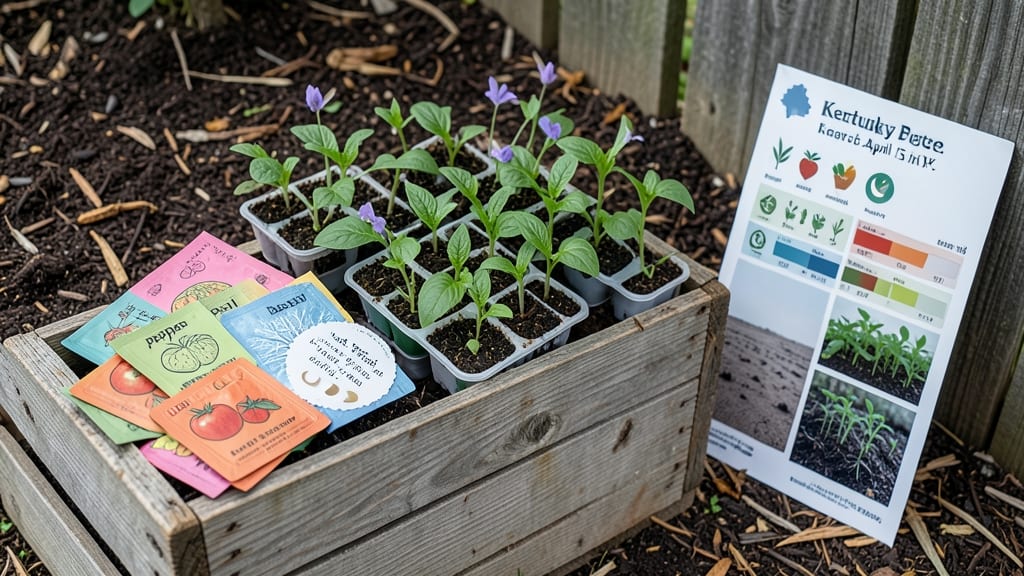
When to plant a garden in Kentucky isn’t just about the calendar—it’s about beating the frost and outsmarting the state’s unpredictable weather patterns. Planting too early risks freezing seedlings, while waiting too long can leave your harvest vulnerable to pests or scorching heat. The perfect window depends on your USDA zone, whether you're in Northern Kentucky's cooler 6a or Southern Kentucky's milder 7b.
I've learned the hard way that even a single late frost can wipe out weeks of work, but with the right strategies, you can stretch your growing season for bigger, healthier yields.
From starting seeds indoors to using row covers for early transplants, mastering these techniques ensures your garden thrives from spring through fall.
What sets Kentucky apart is its diverse microclimates, where frost dates can vary by weeks between regions. We'll break down zone-specific deadlines so you know exactly when to plant everything from cool-loving greens to heat-loving tomatoes. No more guessing—just proven timing for a garden that delivers.
Ready to transform your backyard into a productive oasis? Let's dive into the game-changer planting schedule that's worked for Kentucky gardeners for decades. Your best harvest starts with getting these dates right.
Kentucky planting deadlines by USDA Zone (6a–7b): exact dates for vegetables, flowers & herbs
Kentucky's USDA Zones 6a-7b create a delicate balance between early springs and late frosts. In Zone 6a (Northern KY), average last frost dates fall between April 15-30, while Zone 7b (Southern KY) typically sees frost-free conditions by March 20-April 15.
These dates shift 1-2 weeks earlier in Southern Kentucky and 1-2 weeks later in Northern regions.
For cool-season crops like lettuce and peas, start seeds indoors 6-8 weeks before your last frost date. Warm-season plants such as tomatoes and peppers need soil temperatures above 60°F—wait until two weeks after your last frost date to transplant seedlings outdoors.
Southern Kentucky gardeners can plant 10-14 days earlier than their Northern counterparts.
First frost in Kentucky typically arrives between October 15-30 in Zone 6a and November 1-15 in Zone 7b. This creates a 100-120 day growing season for most vegetables, but succession planting can extend harvests well into fall. Use these zone-specific deadlines to maximize your garden's potential.
🌱
For cool-season vegetables like broccoli, cabbage, and spinach, I recommend starting seeds indoors 4-6 weeks before your last frost date. These plants tolerate light frosts and can even thrive in cool spring temperatures. In Zone 6a, that means early March sowing for outdoor planting by mid-April.
Warm-season crops such as tomatoes, peppers, and cucumbers require warm soil temperatures (above 60°F) to germinate properly. In Kentucky, this typically occurs 2-3 weeks after your last frost date.
For Zone 7b, that means late March to early April for starting seeds indoors, with transplanting outdoors by mid-April.
Herbs like basil and cilantro have different timing needs. Basil needs warm soil and should be planted after your last frost, while cilantro thrives in cool weather and can be sown 2-3 weeks before your last frost date. Always check seed packet instructions for specific varieties.
🌿
Fall planting offers a second chance for cool-season crops. In Kentucky, you can plant spinach, kale, and lettuce as late as September 1-15 in Zone 6a and October 1-15 in Zone 7b.
These hardy greens can survive light frosts and often taste sweeter after exposure to cool temperatures.
To refine your planting schedule, check NOAA's climate data for your specific Kentucky county. Look for 30-year averages of last frost dates, but also consider recent trends—some areas have seen earlier springs in recent years. Adjust your schedule 1-2 weeks earlier if you notice consistent warmer-than-average springs.
How to extend Kentucky’s growing season: cold frames, row covers & succession planting hacks
Kentucky’s short growing season—especially in USDA Zones 6a-7b—can feel like a race against time. But with the right tools and techniques, you can push your planting windows 2-4 weeks earlier or harvest later into fall.
I’ve tested these methods in my own garden, and they’ve added 30+ days of growing potential without risking frost damage.
Start by focusing on three key strategies: soil warming, frost protection, and succession planting. These don’t require expensive equipment—just smart planning and a few affordable tools.
For example, a simple black plastic mulch can warm soil by 10-15°F in just days, while row covers shield tender plants from 28°F drops overnight.
- 1 Use cold frames to start spinach, lettuce, and kale 4-6 weeks before your last frost date. My DIY cold frame (built from plywood and plexiglass) keeps soil 10-15°F warmer than ambient air.
- 2 Deploy row covers over broccoli, cabbage, and peas to protect against light frosts (28-32°F). I use floating row covers (like Agribon) and secure them with bricks or stakes—no tenting required.
- 3 Plant in succession every 2-3 weeks for bush beans, zucchini, and radishes. For example, sow radish seeds every 10 days from April to September—this ensures a continuous harvest instead of one big crop.
- 4 Warm soil with black plastic before planting tomatoes and peppers. Lay down 1-2 weeks before transplanting to raise soil temps to 60°F+. Remove plastic 24 hours before planting to avoid shocking roots.
- 5 Harvest late-season crops like kale and carrots by covering them with straw before the first frost. This insulates roots and keeps greens tender for 4-6 extra weeks of harvests.
Don’t overlook succession planting—it’s the secret to a non-stop harvest. For instance, in my garden, I plant bush beans every 2 weeks from May to July.
This means I enjoy fresh beans from July through September instead of just a 2-week window. The same tactic works for lettuce, radishes, and turnips.
For fall extensions, focus on cold-hardy crops like spinach, Swiss chard, and garlic. These thrive in cooler temps (40-50°F) and can often survive light frosts. I’ve had garlic greens grow right up until December with just a light row cover.
Pro tip: Monitor your soil temperature with a cheap soil thermometer ($10). Most warm-season crops need soil at 60°F+, while cool-season crops prefer 40-50°F. Planting too early—even with protection—can stunt growth if the soil is still cold.
With these hacks, you’ll turn Kentucky’s short season into a long one, enjoying fresh produce from early spring to late fall. Start small with one or two methods, then expand as you see what works best in your microclimate. Happy gardening! 🌱