
Plants
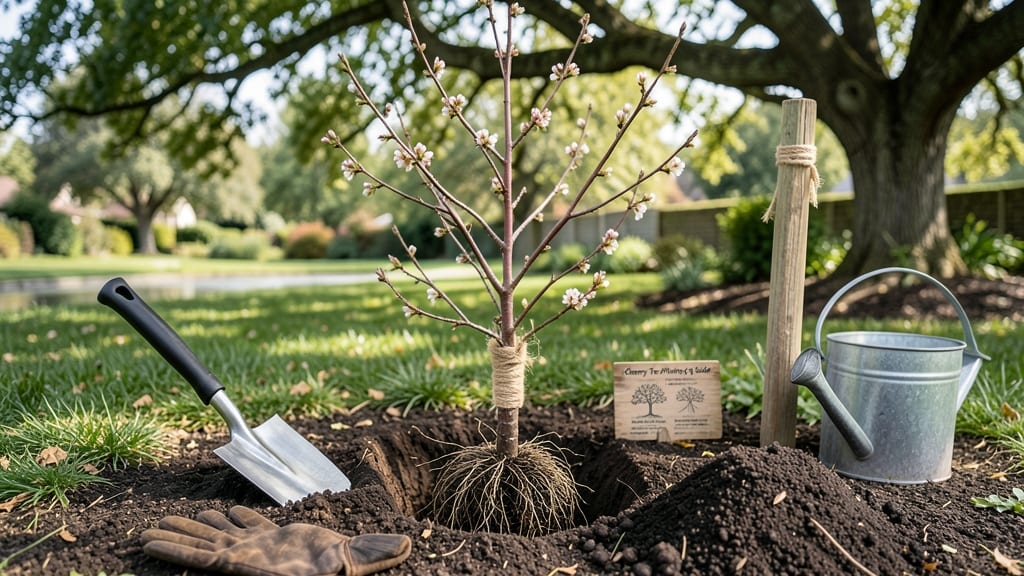
Planting a tree in the ground at the wrong time can stunt its growth—or even kill it—before it ever reaches maturity. Timing is everything when it comes to establishing strong roots and ensuring long-term success, but the best months depend on your climate zone.
In Zone 6a, where many gardeners live, early spring and fall are the golden windows for planting your 🌳—typically after the last frost in March or before the first frost in October.
But what if you're in a warmer climate? The rules change completely, and knowing these differences can save you from costly mistakes.
I’ll break down the best planting months for your specific zone, plus how to tell when your soil is truly ready. Whether you’re planting a bare-root sapling or a container-grown specimen, these insights will help you avoid common pitfalls and give your tree the best possible start.
Ready to dig in? Let’s explore how to choose the perfect time for planting—so your tree thrives for decades to come.
Best planting months for trees by u.s. climate zones
Timing your tree planting correctly can mean the difference between a thriving mature tree and a struggling sapling. The USDA hardiness zones (3-10) dictate when to plant, but even within zones, deciduous vs. evergreen trees have different needs.
I’ve broken down the ideal planting windows for each zone to help you choose the perfect moment for your new tree.
In cooler zones (3-6), early spring (March-April) and late fall (October-November) offer the best conditions—soil is workable, and trees enter dormancy before winter. Meanwhile, warmer zones (7-10) benefit from late fall to early winter planting (November-January) to avoid summer heat stress. Let’s dive into the specifics for your region.
| USDA Zone | Best Planting Window | Tree Type | Key Consideration |
|---|---|---|---|
| 3-5 | Early spring (April-May) or late fall (Sept-Oct) | Deciduous & Evergreen | Avoid frost; soil must thaw |
| 6-7 | Early spring (March-April) or fall (Oct-Nov) | Deciduous (spring); Evergreen (fall) | Bare-root trees need moist soil |
| 8-9 | Late fall (Nov-Dec) or early winter (Jan) | Evergreen (fall); Deciduous (winter) | Avoid summer heat; mulch heavily |
| 10 | Winter (Dec-Feb) or early spring | All types (container-grown preferred) | Soil stays warm year-round |
For Zone 3-5, where winters are harsh, focus on planting bare-root trees in early spring (April-May) when soil temperatures rise above 40°F (4°C). This gives roots time to establish before winter.
Late fall (September-October) is also ideal for container-grown trees, as they adapt better to cooler temps. Avoid planting in summer—heat stress slows root growth.
In Zone 6-7, early spring (March-April) is perfect for deciduous trees like maples or oaks, while late fall (October-November) suits evergreens such as pines or spruces. The key is to plant 6-8 weeks before the first frost, allowing roots to settle before dormancy.
For example, in Zone 7, aim for early April or late October.
Warmer Zones 8-9 shift to late fall (November-December) or early winter (January) planting. This avoids summer’s intense heat, which can shock young roots. Container-grown trees thrive here because they’re less stressed by transplanting.
For instance, a live oak in Zone 9 should go in the ground by December to establish before spring rains.
In Zone 10, where frost is rare, planting is possible year-round, but winter (December-February) is ideal. The mild climate means soil stays workable, and trees like palm trees or citrus can be planted anytime. However, avoid peak summer (June-August) when evaporation rates are highest.
Pro tip: Always check your local frost dates—they vary even within zones. For example, Zone 6 in Chicago has later frosts than Zone 6 in Denver. Use the USDA Plant Hardiness Zone Map and your local cooperative extension service for precise guidance.
One common mistake is planting bare-root trees in summer—they dry out quickly. If you must plant in summer, opt for container-grown trees with established root balls. Water deeply 2-3 times per week for the first month to encourage root spread.
Finally, don’t forget to mulch heavily (3-4 inches) after planting to retain moisture and regulate soil temperature. This is especially critical in drought-prone zones (8-10), where mulch can reduce water needs by up to 50%. 🌳
How to tell if your local weather is truly ready for tree planting
Planting a tree when the weather isn't quite right can lead to poor root establishment and long-term stress. I've learned that simply checking the calendar isn't enough—you need to look at soil temperature, rainfall patterns, and frost dates to determine the perfect window.
These factors vary dramatically by region, so let's break down what to watch for in your area.
For most temperate zones, the ideal planting window falls between early spring (after the last frost) and late fall (before the first frost). But even within these broad guidelines, microclimates—like urban heat islands—can shift optimal timing by weeks.
I always check my local weather station's 7-day soil temperature forecast to confirm when the ground warms to at least 50°F (10°C).
⚠️ callout-warning
⚠️ Planting Too Early or Too Late Risks Tree Failure
Cold soil (below 40°F/4°C) slows root growth by 50% or more. Planting after mid-fall gives roots no time to establish before winter dormancy. Use a soil thermometer (not air temp!) to verify readiness.
🌡️ Pro Tip: In Zone 6a, aim for April 15-May 15 or September 15-October 15.
Don't rely solely on frost dates—urban areas can stay 10°F (5.5°C) warmer than rural zones, creating microclimates where frost arrives later. I once planted a Japanese maple in my city backyard in early April, only to see it scorch when a late frost hit.
Now, I cross-reference frost data with local park records for more accurate predictions.
Rainfall is another critical factor. Trees planted during prolonged dry spells struggle to establish roots, while excessive rain can drown young plants. I monitor 30-day precipitation forecasts and aim for periods with steady but not excessive rainfall.
In drought-prone areas, I schedule planting for early spring when snowmelt provides natural irrigation.
For container-grown trees, timing is slightly more flexible since they're less sensitive to soil temperature. However, I still avoid planting when daytime highs exceed 90°F (32°C), as the stress of transplanting combined with heat shock can be fatal.
In my Zone 8b garden, I plant container trees in late winter (February) to beat the summer heat.
Before digging, I perform a simple finger test: Stick your hand 6 inches deep into the soil. If it feels cool but not freezing, it's ready. Pair this with checking local pollen counts—high pollen can indicate early spring, signaling it's time to plant.
With these indicators, you'll know your tree has the best chance to thrive from day one.