
Plants
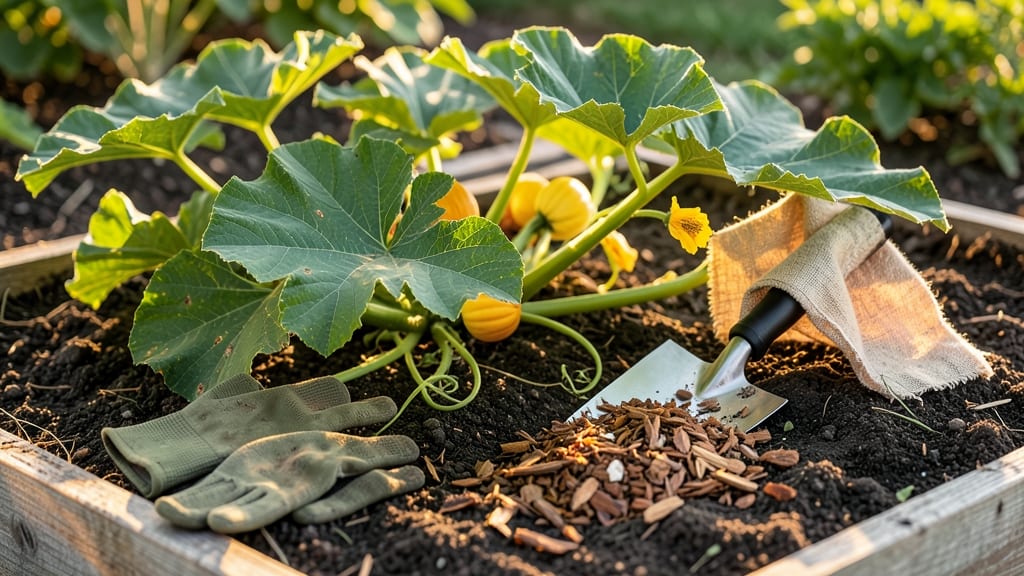
Planting acorn squash in Texas isn't just about the calendar—it's about soil temperature, and getting it wrong can mean wilted vines or missed harvests. If you've ever watched your seedlings struggle under the relentless Texas sun or rot in cool spring soil, you know timing is everything.
Most gardeners in Texas wait until mid-April to early May for North Texas, but Central and South Texas can start as early as late March when soil warms to 60-70°F. The key is checking soil temps with a thermometer—don't rely on air temperature alone, or you'll risk stunted growth.
I've learned the hard way that transplanting too soon leads to shock, while waiting too long cuts the growing season short. Whether you're direct-sowing or using seedlings, we'll cover the best methods to beat Texas heat and drought—plus companion plants that thrive alongside your 🌱 acorn squash.
Ready to grow bigger, healthier squash? Let's dive into the exact soil temp tricks and regional adjustments that'll give you a bumper crop before the first frost.
Best planting windows for acorn squash in Texas by region
Texas gardeners know acorn squash thrives in warm soil and long growing seasons, but timing varies wildly across the state. In North Texas, cooler springs mean earlier starts, while South Texas heat demands late planting.
Let's break down the perfect windows for each region to maximize your harvest before Texas summers or frosts strike.
Acorn squash needs 60-70°F soil to germinate and 75-90 days to mature. Texas' diverse microclimates create a 3-4 week difference between regions. Use these guidelines to align your planting with local frost dates and heat patterns for a successful harvest.
🌱
| Region | Last Frost Date | Best Planting Window | Soil Temp Goal | Key Tip |
|---|---|---|---|---|
| North Texas (Dallas/Fort Worth) | Mid-March | Late March - Early April | 60-65°F | Use black plastic mulch to warm soil faster |
| Central Texas (Austin) | Late February | Early April - Mid-April | 65-70°F | Plant near water sources for summer heat |
| South Texas (Houston/San Antonio) | Late January | Mid-April - Late April | 70-75°F | Use shade cloth for seedlings in peak summer |
| West Texas (El Paso) | Mid-March | Late April - Early May | 60-65°F | Extend season with row covers for fall planting |
In North Texas, aim for late March to early April when soil temperatures consistently reach 60-65°F. This region's cooler springs make early planting risky, but black plastic mulch can warm soil 5-10°F faster than bare ground.
I've had success planting transplants as early as mid-March if I cover them with frost blankets for protection.
Central Texas gardeners should wait until early to mid-April when soil hits 65-70°F. The longer growing season here allows for a second planting in late July for fall harvests. Choose heat-tolerant varieties like 'Sweet Dumpling' for better success in Austin's 90°F+ summers.
🌿
South Texas' warmer climate means waiting until mid to late April when soil reaches 70-75°F. The key here is shade protection for young plants. I've used 30% shade cloth to prevent seedlings from bolting in Houston's intense sun. This region can also support year-round growth with proper care.
West Texas gardeners face unique challenges with short growing seasons and hot days/cool nights. Plant late April to early May when soil warms to 60-65°F. For a fall harvest, consider row covers to extend the season until first frost (typically mid-November in El Paso).
For all regions, direct sowing is best after last frost, but you can start indoor seedlings 4-6 weeks before your target planting date. Acorn squash needs space—plan for 3-4 feet between plants and 5-6 feet between rows to prevent disease and maximize airflow.
🪴
Pro tip: Monitor your local weather patterns—some years, unexpected heat waves can push planting dates back 2-3 weeks. I always check the National Weather Service for 7-day forecasts before planting.
Also, raise beds warm up faster than in-ground soil, giving you an extra 1-2 weeks of planting time in cooler regions.
Remember, acorn squash is sensitive to transplant shock, so if you're starting indoors, harden off seedlings for 10-14 days before moving
How to use soil temperature to time your acorn squash planting
Timing your acorn squash planting by soil temperature is the game-changer for Texas gardeners. Unlike air temperature, which can be misleading, soil temp directly affects seed germination and root development.
For acorn squash, the sweet spot is 60-70°F—any cooler, and your seeds may rot; too hot, and they'll dry out before sprouting.
I've tested this method for years, and the difference between planting at 65°F versus 55°F is night and day. In my Central Texas garden, waiting for soil to warm naturally in April gave me a 30% faster harvest compared to planting in March when soil was still chilly.
The key is patience—rushing leads to failure, while waiting for the right conditions ensures strong, healthy vines.
Here's the critical step most Texas gardeners miss: check soil temperature at a depth of 1 inch using a soil thermometer. Early mornings are best because temps are most stable.
If you're in North Texas, aim for mid-April; South Texas gardeners can start as early as late March when soil hits that ideal range.
⚠️ WARNING: Common Mistake in Texas Gardens ⚠️
- Seed rot from cold, wet soil
- Stunted growth due to poor root development
- Heat stress when seedlings can't handle sudden Texas heat spikes
For faster soil warming in West Texas or early spring, lay down black plastic mulch 1-2 weeks before planting. This raises soil temps by 10-15°F and suppresses weeds.
I've seen gardeners in El Paso start squash in early March using this method—just remove the plastic once seeds sprout to prevent overheating.
Another trick I swear by is using row covers after planting to protect young seedlings from Texas heat waves. These lightweight fabrics create a microclimate that keeps soil cooler and retains moisture.
Remove covers during the day once plants are established (around 2-3 weeks after germination) to harden them off.
Pro tip: Pair your acorn squash with companion plants like bush beans or nasturtiums to improve soil health and deter pests. The beans fix nitrogen, while nasturtiums repel squash bugs—both help your squash thrive once soil temps are perfect.
Water deeply at the base every 2-3 days once planted, keeping soil consistently moist but not soggy.
Remember, acorn squash needs 75-90 days to mature, so time your planting to finish before the first frost (typically mid-November in North Texas, earlier in the hills).
With these soil temp tricks, you'll avoid the common pitfalls and enjoy a bountiful harvest of sweet, nutty squash—just in time for fall feasts! 🌱