
Planting
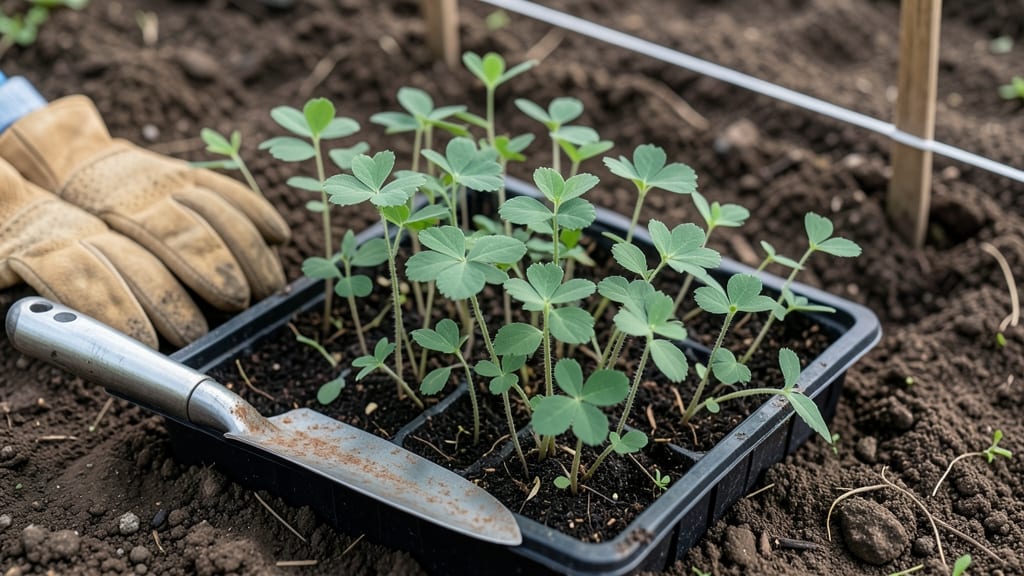
Planting alfalfa 🌱 in the fall can set you up for a fast and robust crop next spring—but timing it wrong means wasted seeds and missed opportunities. The key isn’t just avoiding frost; it’s getting those seeds into soil that’s warm enough to trigger germination before temperatures drop.
Most gardeners focus on frost dates, but soil temperature is the real game-changer. Alfalfa thrives when planted in 60-75°F soil, which in USDA Zone 6a means aiming for late August to early September—about 4-6 weeks before your first frost.
This window gives roots time to establish before winter slows everything down.
Why does this matter? Because alfalfa is a perennial crop—once planted, it can last for years, providing forage, nitrogen-rich soil, and even wildlife habitat. But if you plant too late, seedlings won’t have the energy to survive winter, leaving you with bare patches instead of a lush stand.
I’ll show you exactly how to check soil temps, adjust for your region, and avoid common mistakes that derail fall plantings. Let’s turn your alfalfa dreams into a thriving reality—starting with the right timing.
Optimal soil temperature ranges for fall alfalfa planting
Alfalfa seeds need warm soil to germinate properly, and fall planting requires careful timing to avoid cool soil that stalls growth. The ideal soil temperature range for alfalfa germination is between 60°F and 75°F, with 65°F being the sweet spot for consistent sprouting.
If your soil is too cold, seeds may rot before germinating, while temperatures above 80°F can cause uneven growth or stress the young plants.
Understanding your local soil temperature patterns is key—fall soil cools faster than spring soil, so you’ll need to plant earlier in the season. For example, in USDA Zone 5, soil temperatures drop below 60°F by mid-October, while in Zone 9, you might have until late November.
Always check your region’s historical frost dates and adjust planting accordingly.
Here’s how to test your soil temperature accurately before planting:
A soil thermometer is the most reliable tool for measuring temperature, but if you don’t have one, you can use a DIY method with a regular thermometer.
Stick it into the soil where you plan to plant, cover it with a small mound of dirt, and wait 15-20 minutes for an accurate reading. For best results, test the soil at 2-inch depth, as surface temperatures can fluctuate wildly with sunlight and wind.
If your soil is too cold for planting, you can warm it up naturally by using black plastic mulch or clear plastic tunnels to trap heat from the sun. This method works best in warmer climates (Zones 8-10) where daytime temperatures are still mild.
In cooler regions, focus on planting earlier in the fall when soil retains more residual summer heat.
Alfalfa is a perennial crop, meaning it will regrow each year if planted correctly. Fall planting gives roots time to establish before winter, making the plant more resilient in USDA Zones 3-10.
However, if you’re in a very cold zone (Zone 2 or 3), consider planting in late summer instead to avoid early frost damage.
Once your alfalfa seeds germinate, maintain soil temperatures above 50°F to prevent stunted growth. Young plants are particularly sensitive to cold snaps, so use mulch or row covers if frost is forecasted. This protects the tender shoots while allowing sunlight to penetrate for photosynthesis.
Remember, soil temperature is just one piece of the puzzle—soil pH (6.5-7.5) and moisture levels also play critical roles in alfalfa success. Test your soil’s pH before planting and amend it if necessary to ensure optimal nutrient uptake.
A well-prepared seedbed with loose, fertile soil will give your alfalfa the best chance to thrive.
By mastering soil temperature timing, you’ll set your alfalfa up for a strong start, whether you’re growing it for forage, soil improvement, or hay production.
Keep an eye on your local weather forecasts and adjust your planting schedule to match the ideal 60-75°F range for the fastest, healthiest establishment.
Regional fall planting windows by USDA hardiness Zones
Alfalfa's success in fall planting hinges on your USDA hardiness zone—where colder climates need earlier starts and warmer zones can push planting later. The goal is to give seedlings 4-6 weeks of warm soil (60-75°F) before frost arrives.
In Zone 3, you might plant as early as mid-August, while Zone 10 gardeners can wait until early October.
This regional guide breaks down exact planting windows, frost-free buffers, and how to extend your season with row covers or mulch.
For example, in Zone 6a (like my home garden), I aim for late August—just before soil temps dip below 60°F. A simple soil thermometer (or even your finger!) helps track this.
Remember: Alfalfa is a perennial, so fall planting builds roots for years of harvest. But if planted too late, seedlings may not survive winter. The chart below shows zone-specific deadlines and frost buffers to avoid this risk.
In Zones 3-4, where frost arrives early, prioritize heavy mulch (straw or leaves) to insulate roots. I’ve seen alfalfa survive winters with 6+ inches of mulch—just replenish it after snowmelt.
For Zones 5-6, a row cover for the first 2 weeks after planting adds 2-3°F of warmth, extending your window.
Warmer zones (7-10) offer flexibility, but don’t wait too late. Even in Zone 10, planting after October 1st risks slower germination from cooling nights. Test soil temps at 10 AM (when it’s warmest) to confirm readiness.
If temps are dropping, cover seeds with a clear plastic tent to trap heat.
Pro tip: Mark your calendar 6 weeks before your first frost—that’s your final cutoff. Use this time to prep soil with compost and adjust pH to 6.5-7.5. With the right timing, your alfalfa will reward you with lush regrowth next spring. 🌱