
Plants
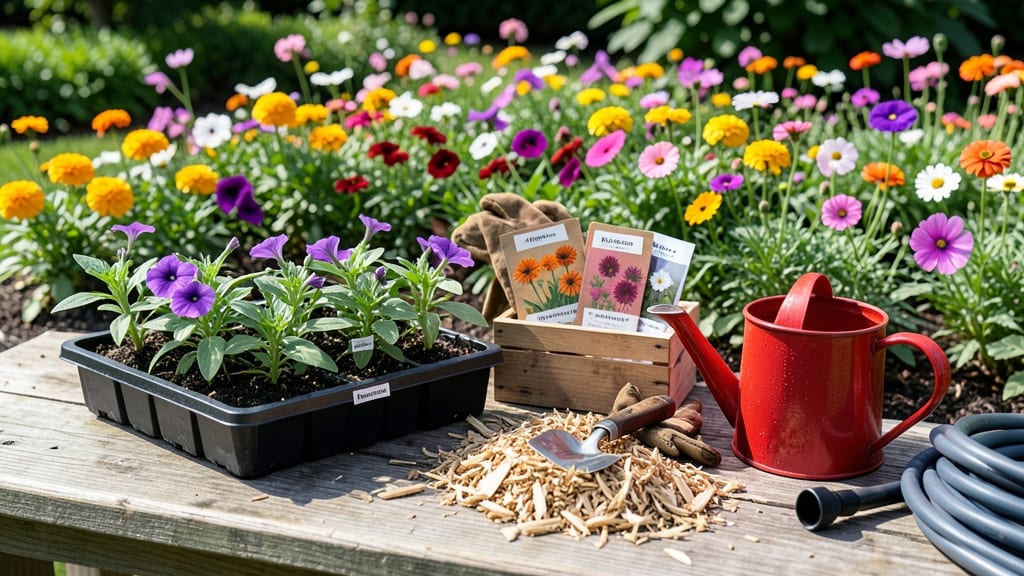
Planting annuals in Pennsylvania at the wrong time can mean the difference between a vibrant 🌸 garden bursting with color and a sad, frost-nipped disappointment.
With last frost dates swinging from late April in the south to early May in the north, timing is everything—especially in zones 6a-7b, where a single late chill can set back your entire season.
I’ve learned the hard way that rushing spring plantings or waiting too long for fall bloomers can leave your garden looking half-hearted. The key is knowing when to start seeds indoors, when to transplant tender varieties, and which heat-lovers like marigolds or zinnias can handle Pennsylvania’s unpredictable summers.
Let’s break down the exact windows for your region—and how to stretch your growing season for extra blooms all year.
Whether you’re dreaming of summer petunias or fall asters, this guide will help you align your planting with Pennsylvania’s climate quirks. We’ll cover everything from soil temperature checks to microclimate tricks (like urban heat islands) so you can avoid common mistakes and get the most out of your garden.
Ready to turn your yard into a year-round showstopper?
From the first warm snap in April to the golden hues of October, I’ll show you how to time each planting for maximum impact—no guesswork, just guaranteed growth. Let’s get those annuals in the ground the right way, the first time.
Pennsylvania’s last frost dates by Zone: critical timelines for annual planting
Pennsylvania spans USDA Hardiness Zones 5b through 7a, meaning your last frost dates can vary by 2-3 weeks depending on where you live. In Zone 5b (northwest mountains), expect frost until May 15, while Zone 7a (southeast) typically sees its final freeze around April 20.
These dates determine whether your marigolds or tomatoes survive their first week outside.
For Pittsburgh (Zone 6a), the average last frost date is April 28, but urban areas like Philadelphia (Zone 7a) often warm up 10 days earlier.
Rural valleys, however, can linger 5-7 days later due to cold air pooling. Always check your local microclimate—a south-facing slope warms faster than a north-facing yard.
Heat-tolerant annuals like zinnias and sweet potatoes can handle Zone 5b’s late May plantings, while frost-sensitive basil and cucumbers should wait until after May 10 in Zone 6a. Use these last frost guidelines to avoid blackened leaves or stunted growth.
| Zone | City/Region | Avg. Last Frost | Safe Planting Window | Heat-Tolerant Annuals | Frost-Sensitive Annuals |
|---|---|---|---|---|---|
| 5b | Erie, State College | May 15 | May 20–June 1 | Zinnias, Sunflowers, Okra | Basil, Cucumbers, Tomatoes |
| 6a | Pittsburgh, Harrisburg | April 28 | May 1–May 15 | Marigolds, Petunias, Peppers | Eggplant, Melons, Okra |
| 6b | Lancaster, Reading | April 20 | April 25–May 10 | Cosmos, Nasturtiums, Sweet Potatoes | Basil, Cucumbers, Tomatoes |
| 7a | Philadelphia, Allentown | April 10 | April 15–April 30 | Geraniums, Vinca, Coleus | Peppers, Eggplant, Basil |
| Rural Valleys | Any Zone | May 5–10 | May 15–June 1 | Zinnias, Sunflowers, Marigolds | All warm-season veggies |
Urban heat islands in cities like Philadelphia can push last frost dates 10 days earlier than rural areas, while valleys often see frost 1-2 weeks later. If you’re unsure, use frost cloth or wait until May 1 in Zone 6a to plant peppers and tomatoes. For
Best annuals to plant by month in Pennsylvania: a month-by-month guide
Timing your annual plantings in Pennsylvania isn’t just about following a calendar—it’s about reading your region’s microclimates. In USDA Zones 6a-7b, last frost dates can vary by 2-3 weeks between southern cities like Philadelphia and northern valleys near Scranton.
I’ve planted marigolds too early in May only to watch them wilt when nighttime temps dipped into the 40s. The secret? Matching each plant’s heat tolerance to Pennsylvania’s unpredictable spring and humid summers.
This month-by-month guide focuses on extension-approved varieties that thrive in PA’s climate, from cool-season workhorses like spinach and pansies to heat-loving stars such as okra and sunflowers.
We’ll also cover when to start seeds indoors versus transplanting hardened-off seedlings. Pro tip: Use row covers to push early plantings by 2-3 weeks in cooler zones.
🌱 Pennsylvania Annual Planting Calendar
- March-April: Start cool-season veggies (spinach, peas) and hardy flowers (pansies, snapdragons) indoors. Transplant onion sets and potatoes after soil reaches 40°F.
- May (after last frost): Plant tomatoes, peppers, and basil when soil is 60°F+. Add marigolds, zinnias for pest control and color.
- June: Sow heat-lovers (okra, sweet potatoes) and fast-blooming annuals (cosmos, sunflowers). Succession plant bush beans every 2 weeks.
- July-August: Direct-sow fall crops (kale, radishes) and late-blooming flowers (asters, chrysanthemums). Use shade cloth for tender varieties.
- September-October: Plant cool-season favorites (pansies, calendula) for fall/winter color. Harvest late tomatoes with row covers.
For Pittsburgh and northern PA, wait until May 15 for frost-sensitive plants like petunias—their 60-day bloom time means late May plantings still deliver summer color. In Philadelphia and southern PA, you can start 2 weeks earlier for earlier harvests of basil and cucumbers.
My zinnias always perform best when planted in late May; they handle PA’s summer humidity better than early starts.
Don’t overlook herbs like dill and cilantro, which bolt in June’s heat. Plant them in partial shade and succession-sow every 3 weeks for continuous harvests. Marigolds are my go-to for pest deterrence—plant them around tomatoes and peppers in early June to keep aphids and nematodes at bay.
Their bright orange blooms also attract pollinators for better fruit set.
Fall plantings are often overlooked but critical for winter interest. Pansies and violas thrive in cool October soil and bloom until first frost. For vegetables, spinach and lettuce sown in late August mature before November’s chill.
Use black plastic mulch to warm soil for early spring plantings of onions and leeks—this trick lets me start 3 weeks earlier than the average gardener.
Remember: Pennsylvania’s first frost typically hits mid-October, but microclimates (like urban heat islands) can delay it by 1-2 weeks. Monitor your local weather station or use frost date apps to time late-season plantings precisely.
With these monthly cues, your annuals will thrive all season long—no more wasted seeds or sad, stunted plants. 🌻