
Trees
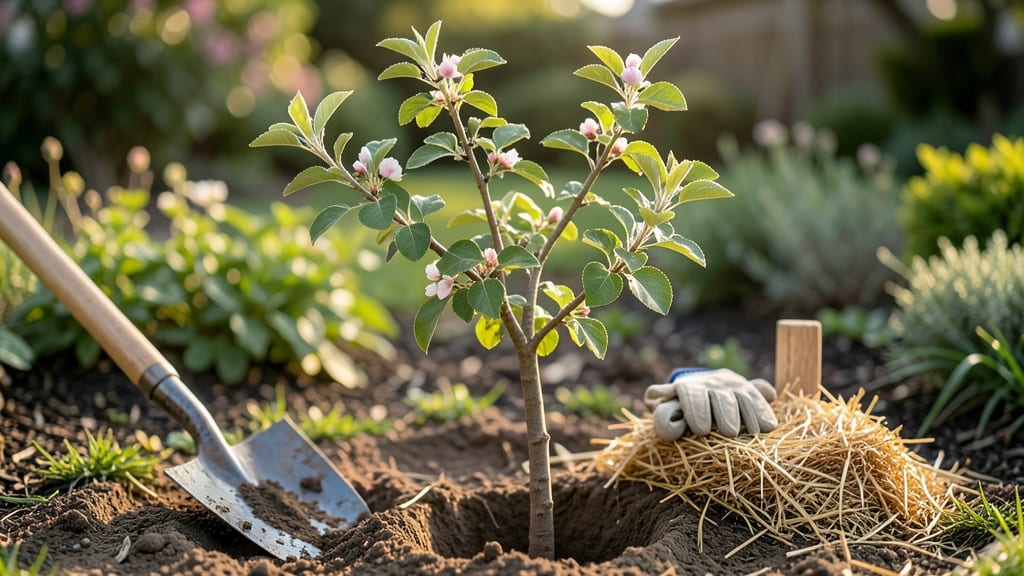
Planting your 🍎 apple tree at the wrong time in Arkansas could mean struggling with frost damage or weak root growth—both of which set your orchard up for failure before it even begins.
Timing isn’t just about the calendar; it’s about understanding your county’s frost dates, soil conditions, and whether you’re planting bare-root or container-grown trees. In USDA zones 7a-8b, late winter to early spring (February–March) is your sweet spot—but even then, a misstep could cost you years of growth.
I’ll break down the exact windows for North Arkansas, the Delta, and the Ozarks, plus how to adjust for microclimates like urban heat or clay-heavy soil. By the end, you’ll know not just when to plant, but how to give your tree the best shot at thriving.
Ready to avoid the common mistakes that kill apple trees before they even fruit? Let’s get started with the frost-free secrets Arkansas growers swear by.
Arkansas county frost dates: best planting windows for apple trees
Planting apple trees in Arkansas requires careful timing to avoid frost damage while maximizing root establishment. The state's USDA hardiness zones 7a-8b create distinct microclimates, with Northern Arkansas experiencing colder winters than the Delta or Ozarks. Understanding your county's frost dates ensures your trees thrive from the start.
Apple trees need 6-8 weeks of frost-free growth before winter dormancy. In Arkansas, this means planting bare-root trees in late winter (February) or early spring (March), while container-grown trees offer more flexibility and can be planted until April. Let's break down the best planting windows by region.
📌 Key Rule: Always plant after the last average frost date but before bud break (when buds begin swelling). For Arkansas, this typically means mid-February to mid-April, depending on your location.
For bare-root apple trees, the ideal window is February to early March across most of Arkansas. These trees establish roots quickly in cool soil, giving them a head start before summer heat. In Northern Arkansas, wait until mid-March to avoid late frosts that can damage exposed roots.
If you're planting container-grown apple trees, you have more flexibility. These trees can be planted until April in most regions, as their roots are already established. However, avoid planting in summer heat (May-July), as transplant shock becomes a major risk.
The Delta region can even plant container-grown trees in early fall (September), provided you water deeply before winter.
Adjust your planting timeline if you notice unusually warm winters or late spring frosts. Check local weather forecasts for 10-day outlooks before planting, especially in USDA Zone 7a areas like Benton or Washington counties. A sudden cold snap can delay root growth by weeks.
Pro tip: Use mulch (straw or wood chips) after planting to insulate roots and retain moisture. In clay-heavy Delta soils, amend planting holes with compost or sand to improve drainage. This helps young trees establish faster, especially in hotter microclimates.
Remember, dwarf and semi-dwarf varieties establish more quickly than standard trees, making them ideal for Arkansas's varied climate. Plant them slightly deeper than the original soil line to encourage strong root development. With the right timing and care, your apple trees will reward you with decades of fruit production.
How to adjust planting time for Arkansas microclimates and soil conditions
Arkansas’s diverse climate—from the humid Delta to the cooler Ozarks—means your apple tree’s planting time should adapt to local conditions. Clay-heavy soils in the Delta retain moisture longer, while urban areas can experience heat islands that delay frost. Understanding these factors helps you fine-tune your schedule for success.
For container-grown trees, flexibility is key. Unlike bare-root trees, they can be planted year-round except in winter, but timing still matters. In USDA zones 7a-8b, aim for late winter to early spring (February–March) to avoid heat stress or frost damage to new roots.
⚠️ callout-warning ⚠️
Arkansas’s Delta region has heavy clay that can suffocate roots if planted too early. Test soil drainage—if water pools after 6 hours, amend with compost or sand before planting. Container-grown trees in clay need raised beds or mounds to prevent root rot.
Adjust planting for urban heat islands by monitoring local frost-free dates. Cities like Little Rock often have 5–7 fewer frost-free days than rural areas. Use a frost calendar (like the Arkansas Extension Service’s) and plant 2–3 weeks later than rural zones to avoid early-season heat stress.
If your soil is sandy or well-draining (common in the Ozarks), you can plant earlier in February to give roots time to establish before summer. For clay soils, wait until mid-to-late March when temperatures stabilize. Always plant when soil temps reach 40°F+ to prevent shock.
For container-grown trees, use frost-free dates as a guide. In zone 7a, plant by April 15; in zone 8b, extend to May 1. Acclimate container trees gradually by moving them outdoors during the day and back at night for 1–2 weeks before permanent planting.
Pro tip: Mulch heavily (3–4 inches) around newly planted trees to regulate soil temperature. In clay-heavy areas, use organic mulch like pine straw to improve drainage over time. Monitor soil moisture—clay soils stay wet longer, while sandy soils dry out faster.