
Plants
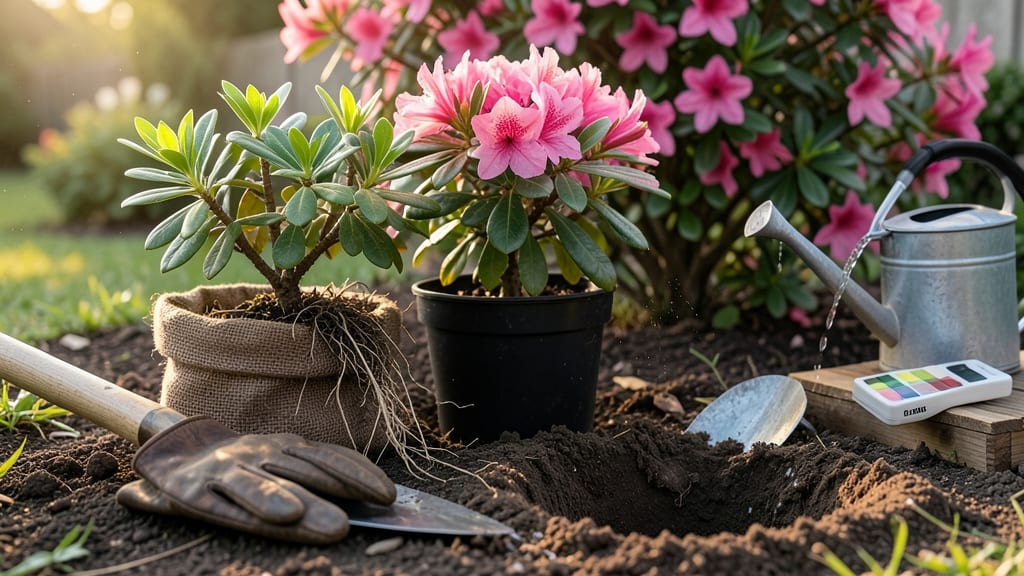
Planting your 🌸 azalea at the wrong time in Maryland could mean the difference between vibrant spring blooms and struggling shrubs that never fully thrive. The key isn't just picking a season—it's matching your county's chill-hour requirements to give your azalea the perfect winter dormancy period it needs.
Whether you're in Baltimore's urban heat or Garrett County's cooler mountains, timing matters more than you might think. Too early, and frost can damage tender roots; too late, and your azalea won't establish before winter sets in.
I'll show you exactly when to plant—whether it's fall or spring—and how to adjust for Maryland's microclimates.
You'll also discover how acidic soil and proper mulching can extend your planting window, plus which azalea varieties perform best in your specific zone. With these insights, you'll be ready to plant with confidence and watch your 🌸 azalea flourish for years to come.
Let's dive into the science behind Maryland's planting zones and how to give your azaleas the best possible start—because getting this right means fewer headaches and more stunning spring displays.
Maryland azalea planting zones by chill hours: county-specific timing guide
Maryland’s azalea planting success hinges on chill hours—the number of hours below 45°F (7°C) your plants need to bloom. Southern Maryland averages 300-500 chill hours, while Garrett County in the mountains sees 900+ hours.
Planting at the wrong time risks frost damage or poor root establishment. Let’s break down your county’s ideal window using USDA zones 5-7 and frost-date maps.
Fall planting (October-November) is ideal because cool temps reduce transplant shock, and roots establish before winter dormancy. Spring planting (March-April) works too, but avoid after your last frost date (April 15 in most areas).
For example, Baltimore County (Zone 7b) has a 4-week window from mid-October to mid-November, while Garrett County (Zone 5b) can plant until late October due to earlier frosts.
Use this chill-hour guide to match your azalea variety to your location. Southern Indica types (300-500 hours) thrive in Calvert or Charles County, while Rhododendron hybrids (700+ hours) suit Allegany or Washington County. Always check your local frost dates—planting too late in Zone 5 risks winter dieback.
| Maryland Region | USDA Zone | Chill Hours | Fall Planting Window | Spring Planting Window | Last Frost Date |
|---|---|---|---|---|---|
| Southern (Calvert, Charles, St. Mary’s) | 7b-8a | 300-500 | Mid-October to late November | Mid-March to early April | April 1-15 |
| Central (Baltimore, Anne Arundel, Howard) | 7a-7b | 500-700 | Late September to mid-November | Early March to mid-April | April 1-15 |
| Northern (Frederick, Carroll, Garrett) | 5b-6a | 700-900+ | Mid-September to late October | Late March to early May | April 15-May 1 |
| Coastal (Chesapeake, Dorchester) | 7b-8a | 400-600 | Late October to early December | Mid-March to late April | March 20-April 10 |
For Baltimore City, aim for late September to early November—urban heat islands delay first frosts. In Garrett County, plant by October 15 to avoid winter stress.
Always check your local extension office for updates, as microclimates (like near the Patapsco River) can shift deadlines by 2-3 weeks.
If you miss the fall window, early spring planting works too—just avoid after your last frost. For Zone 7b, this means March 15-April 15.
Use acid-loving soil amendments (like peat moss) and mulch to protect roots during temperature swings. Container-grown azaleas can be planted 2 weeks later than bare-root varieties.
Pro tip: Test your soil pH (azaleas need 4.5-6.0) and amend with sulfur if needed. In Zone 5, add 3 inches of mulch to insulate roots. For coastal areas, windbreaks help young plants establish faster.
Remember: Chill hours ≠ frost dates. A
How to adjust azalea planting time for Maryland’s microclimates
Maryland’s urban heat islands in Baltimore, coastal winds near the Chesapeake Bay, and mountainous chill in Western Maryland create wildly different growing conditions for azaleas. What works in Annapolis may fail in Cumberland, so adjusting your planting strategy is key to success.
I’ve planted azaleas in all three regions and learned that microclimates can shift ideal timing by weeks—sometimes even months.
The good news? With a few smart adjustments—like soil prep, container planting, and mulching strategies—you can extend your planting window and give your azaleas the best chance to thrive. Here’s how to tailor your approach based on where you garden in Maryland.
- 1 Urban Heat Islands (Baltimore/DC): Plant in late fall (November) or early spring (March) to avoid summer heat stress. Use white mulch to reflect sunlight and keep roots cool.
- 2 Coastal Wind Exposure (Chesapeake Bay): Plant in early fall (October) to let roots establish before winter winds. Add windbreaks (like evergreens) to protect young plants.
- 3 Mountainous Regions (Western MD): Plant in mid-fall (October) for cooler climates. Use thick mulch (4-6 inches) to insulate roots from freezing temps.
- 4 Container Planting Hack: For late adjustments, plant in containers until soil temps stabilize. Move to ground in spring (April) after last frost.
- 5 Soil Prep Tip: Amend soil with peat moss or pine bark fines to maintain acidic pH (4.5-6.0). Test soil before planting—Maryland’s native soil is often too alkaline.
For urban heat islands like Baltimore, I’ve found that planting in November gives azaleas time to establish roots before summer’s brutal heat. The trick is using white mulch—it reflects sunlight and keeps roots cooler than dark mulch.
I’ve also seen success with container planting in late winter, moving plants to the ground in April once the soil warms.
In coastal areas near the Chesapeake Bay, October planting is ideal because winter winds can stress young azaleas. I always add a windbreak of evergreens or a temporary fence to shield my plants.
The salty air can also dry out soil faster, so I water deeply every 5-7 days until roots establish.
If you’re in Western Maryland’s mountains, aim for mid-October planting. The cooler temps mean azaleas need time to root before winter sets in. I’ve had the best luck with 4-6 inches of mulch—it acts like a blanket, protecting roots from freezing.
For extra insurance, I cover young plants with burlap sacks during hard freezes.
No matter where you plant, soil prep is non-negotiable. Maryland’s soil is often too alkaline for azaleas, so I always amend with peat moss or pine bark fines to lower the pH. A quick soil test before planting can save you from struggling shrubs.
And remember: well-draining soil is a must—azaleas hate soggy roots!
With these adjustments, your azaleas will bloom beautifully year after year, no matter which Maryland microclimate you’re in. The key is paying attention to your local conditions and giving your plants the right start. Happy planting! 🌸