
Plants
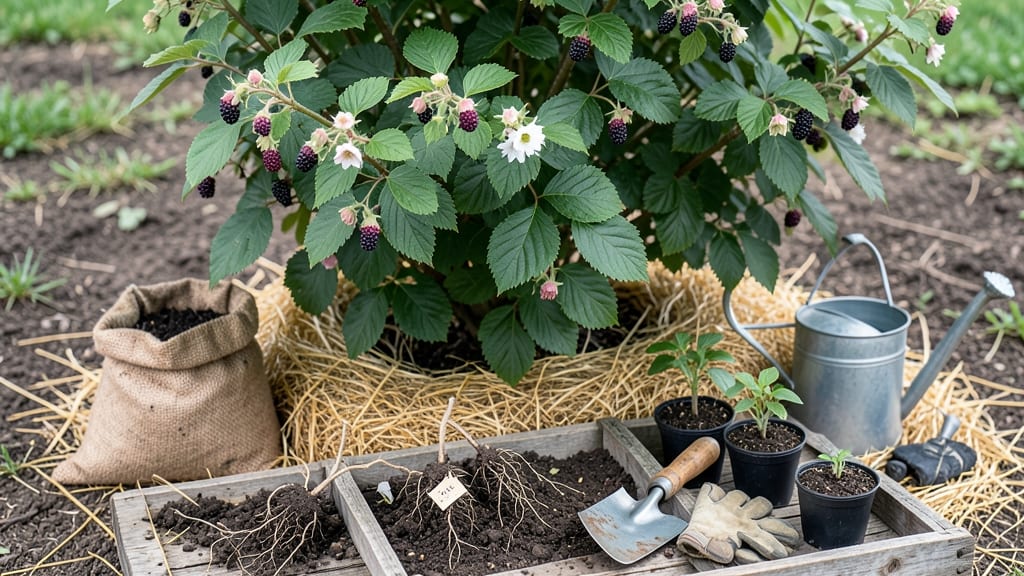
Planting blackberries in Alabama might seem straightforward, but timing is everything—get it wrong, and your 🫐 bushes could struggle before the heat or frost hits. Whether you're in the cooler hills of North Alabama or the warmer southern regions, knowing the best months to plant ensures your berries thrive.
Most gardeners in USDA zones 7b-8b swear by late winter to early spring (February-March) as the ideal window, but fall planting (September-October) works too—if you act before the first frost. The key is avoiding extreme heat or cold, which can stress young plants before they establish roots.
I’ve tested different planting times across Alabama, and the results speak for themselves: the best yields come from planting when soil temperatures are just right. Let me walk you through the exact months that work best for your region, plus pro tips to set your blackberries up for success.
From soil prep to variety selection, we’ll cover everything you need to know to plant at the perfect time—so you can enjoy a bountiful harvest from May through August. Ready to get started?
Best planting months for blackberries in Alabama by region (climate zones 7-8)
Alabama’s climate varies dramatically from the cooler North (Zone 7) to the warmer South (Zone 8), which means your blackberry planting window should shift depending on where you live.
In North Alabama, where frost lingers until mid-April, early spring planting (February-March) gives young canes time to establish before summer heat arrives. Meanwhile, South Alabama gardeners can plant as late as mid-October without frost worries, thanks to milder winters.
The golden rule? Plant when soil temperatures stay above 50°F (10°C)—this ensures roots grow actively without heat stress. For most Alabama regions, this aligns with late February to early April for spring plantings or September to early October for fall.
But let’s break it down by region so you can plant with confidence.
| Region | Best Planting Months | Soil Temp Requirement | Last Frost Date | Key Consideration |
|---|---|---|---|---|
| North Alabama (Zone 7) | Late February - Early April | 50°F+ (10°C+) | Mid-April | Avoid late plantings—summer heat arrives fast. |
| Central Alabama (Zone 7b-8a) | March - Early April or September - Early October | 50°F+ (10°C+) | Late March - Early April | Flexible window—spring or fall both work well. |
| South Alabama (Zone 8) | February - March or September - Mid-October | 55°F+ (13°C+) | Early March | Longer growing season—fall plantings thrive. |
In North Alabama, where winters are colder, I recommend planting bare-root canes in late February to give roots 6-8 weeks to establish before summer’s brutal heat. The last frost typically hits mid-April, so planting earlier ensures your bushes aren’t scrambling to grow when temperatures soar.
If you miss spring, September is your last chance—but act fast before the first frost in November.
For Central Alabama, you’ve got flexibility. Both spring (March-April) and fall (September-October) work beautifully here. The key is soil temperature: aim for 50°F (10°C) or warmer. I’ve seen gardeners in Birmingham plant as late as early November with success, but this is risky—stick to September-October for safety.
Down in South Alabama, where winters are mild, you can plant as late as mid-October without frost worries. The warmer climate means soil stays workable longer, but avoid planting in July-August—the extreme heat stresses young plants.
I’ve had the best luck with February-March plantings here, giving bushes a head start before summer’s intensity.
Pro tip: Always test soil temperature before planting. Use a soil thermometer to check—if it’s below 50°F (10°C), wait a week or two. Cold soil slows root growth, and that’s a recipe for stunted bushes. I keep mine handy and check daily in February-March to time plantings perfectly.
One mistake I see often? Planting too early in North Alabama and too late in South Alabama. In cooler regions, early plantings can lead to root rot if soil stays damp and cold. In warmer areas, late plantings miss the fall moisture window and struggle with summer heat.
Timing is everything—follow your region’s guidelines, and your blackberries will reward you with juicy, sweet fruit from May through August.
Finally, don’t overlook soil prep. Alabama’s clay-heavy soils need amendments like compost or sand to improve drainage. I mix in 2-3 inches of compost and a balanced fertilizer (10-10-10) at planting time to give my bushes a nutrient boost.
This extra care pays off with stronger canes and bigger yields come harvest season.
Ready to plant? Grab your bare-root canes, check that soil temperature, and get them in the ground at the right time—your future blackberry harvest depends on it! 🫐
How Alabama’s microclimates affect blackberry planting success (and how to adapt)
Alabama’s diverse geography—from the cool Appalachian foothills to the hotter Gulf Coast—creates microclimates that can shift ideal planting windows by 2-4 weeks. In Huntsville, for example, frost lingers until mid-April, while Mobile gardeners can plant as late as November without frost risk.
These variations mean one-size-fits-all advice fails, and your blackberry bushes may suffer if you don’t adapt.
Urban areas like Birmingham face another challenge: urban heat islands raise soil temperatures by 5-10°F, drying out roots faster. Meanwhile, elevation changes in North Alabama delay soil warming, pushing planting dates later.
Container gardening adds another layer—pots heat up quicker, so timing must account for both air and soil temps.
⚠️ WARNING: Planting at the Wrong Time in Alabama’s Microclimates Planting blackberries too early in North Alabama risks frost damage, while late planting in South Alabama exposes roots to summer heat stress. Urban areas like Birmingham need adjustments for faster soil drying, and container growers must water daily in summer to prevent root burn. Even a 2-week delay can reduce yields by 30%—don’t guess, time it right!
- Frost damage in early spring (North AL)
- Heat stress from late planting (South AL)
- Root burn in urban heat islands (Birmingham)
- Poor establishment in containers without adjustments
For container gardening in cities, shift planting 2-3 weeks earlier than ground planting. Pots heat up faster, so start in late January (instead of February) for Birmingham or Huntsville.
Use black plastic mulch to warm soil 5°F faster in cooler microclimates, or light-colored mulch to reflect heat in urban areas. Elevation matters too—every 1,000 feet up delays soil warming by 1 week.
Adjust your watering schedule based on microclimate. In South Alabama, water daily in summer to combat heat, while North Alabama may only need every 3 days.
Urban areas lose moisture faster—check soil moisture early morning to avoid overwatering. For containers, use self-watering pots or bury them halfway in the ground to stabilize temps.
Choose dwarf varieties like 'Arapaho' for urban spaces—they handle heat better than standard types. If planting in fall, aim for 6-8 weeks before frost (earlier in North AL).
Mulch with straw or wood chips to moderate soil temps year-round. In Birmingham’s heat islands, plant near trees for afternoon shade to reduce stress.
Monitor local frost dates via Alabama A&M’s frost maps—they’re more accurate than USDA averages. For container growers, move pots to sheltered spots at night in spring/fall. With these adjustments, you’ll maximize yields regardless of Alabama’s microclimate quirks. 🌱