
Plants
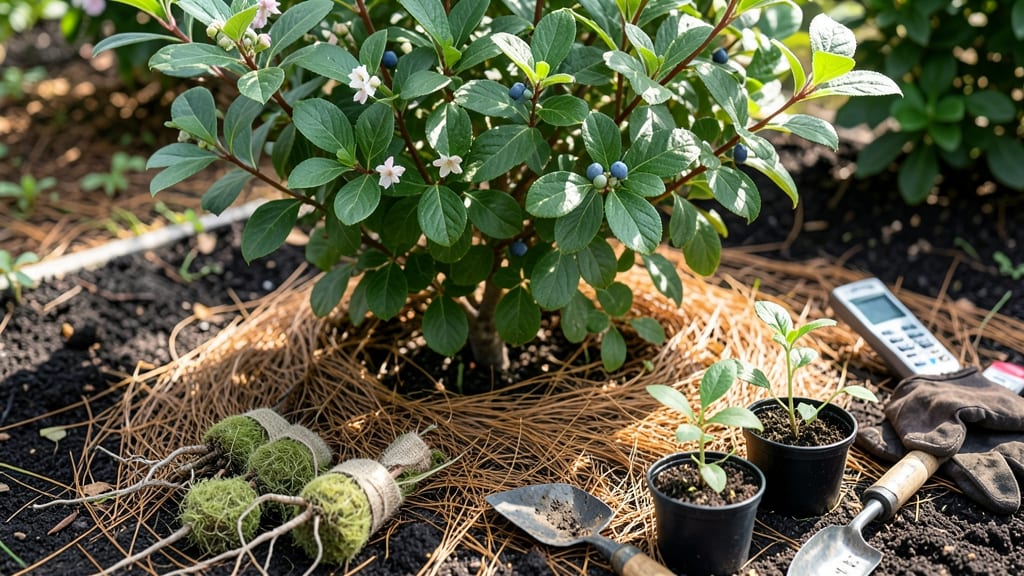
Planting blueberries 🫐 in Zone 8b isn’t just about grabbing a bush and sticking it in the ground—timing is everything, and one wrong move could leave you staring at leafy branches with zero berries. The key?
Understanding your variety’s chill-hour needs and avoiding those late frosts that sneak in around February 15. I’ve learned the hard way that rushing the process or planting too late can mean wasted money and missed harvests.
If you’ve ever wondered why your blueberry bushes seem to thrive in some gardens but struggle in others, the answer likely lies in the late winter to early spring window—when soil is workable but frost risks are lower.
This is your 30-day opportunity to get it right, whether you’re planting bare-root saplings or potted varieties. Let’s break down exactly when to dig in for the best results in your climate.
Most gardeners in Zone 8b focus on March and April as the sweet spot, but there’s more to it than just picking a month.
We’ll cover which varieties handle your area’s 700-1,000 chill hours best, how to adjust for early blooms, and why some experts swear by fall planting for container-grown bushes. Trust me, these details make all the difference between a bountiful harvest and a bush full of disappointed flowers.
Ready to turn your backyard into a blueberry powerhouse? I’ll walk you through the exact steps—from soil prep to planting strategies—that’ll have you picking plump, juicy berries by May or June.
No more guesswork, just proven methods tailored for Zone 8b’s unique challenges. Let’s get those bushes in the ground the right way.

Best planting months for blueberries in Zone 8b based on chill hours
If you're growing blueberries in Zone 8b, timing your planting is everything—especially since this zone delivers 700-1,000 chill hours. Plant too early, and late frosts can damage tender roots. Too late, and your bushes won't establish strong roots before summer heat arrives.
The best window? Late winter to early spring (February-March), but fall planting works too for container-grown plants. Let's break it down by variety and microclimate.
For bare-root blueberries, aim to plant between February 15 and March 15. This gives roots time to establish before the last frost date (typically mid-February in Zone 8b).
If you miss this window, don't panic—fall planting (October-November) is ideal for container-grown bushes, as they adapt better to transplant shock in cooler weather. Just avoid planting when soil temps drop below 40°F.
Your chill-hour requirements dictate variety selection. Northern highbush varieties like 'Duke' (900+ hours) thrive here, while southern highbush like 'Peach Sorbet' (300-500 hours) may struggle. For best results, choose mid-range varieties (600-800 hours) like 'Emerald' or 'O'Neal', which balance fruit production with Zone 8b's mild winters.
Early frost risks in Zone 8b mean you should monitor local forecasts. If a late frost warning appears after planting, protect young bushes with frost cloth or row covers. For container-grown plants, move pots to a sheltered spot or indoors until danger passes. Remember, root establishment is critical—don't rush planting just to beat the frost.
Here's how planting timing varies by variety and method:
| Planting Method | Best Months | Chill Hours Needed | Variety Examples | Key Consideration |
|---|---|---|---|---|
| Bare-root (dormant) | February 15 - March 15 | 700-1,000 hours | Duke, Emerald, O'Neal | Soil temps >40°F |
| Container-grown (active) | October 1 - November 15 | 600-900 hours | Peach Sorbet, Top Hat | Avoid summer heat stress |
| Potted (anytime) | Year-round (best fall/spring) | 300-800 hours | Rabbiteye, Southern Highbush | Move indoors in winter |
For spring planting, prepare the soil 4-6 weeks ahead by amending with peat moss or sulfur to maintain acidic soil (pH 4.5-5.5). Dig a hole twice as wide as the root ball but only as deep.
Place the plant so the graft union (visible bump) sits 2 inches above soil level—this prevents rot and encourages strong growth. Water deeply after planting to settle the soil and eliminate air pockets.
If you're planting in fall, focus on container-grown bushes since they handle transplant shock better. Choose a partially shaded spot to protect from late-season heat, and mulch heavily with pine straw or wood chips to insulate roots.
Fall-planted bushes will establish roots before winter, giving them a head start in spring. Just avoid planting when soil temps drop below 50°F.
Zone 8b's mild winters can trick growers into thinking blueberries don't need chill hours—but they do! If your variety requires 900+ chill hours and you only get 700-800, consider artificial chilling by storing potted bushes in a garage or unheated shed during winter.
This mimics dormancy and ensures proper flowering. Alternatively, choose low-chill varieties like 'Climax' (500 hours) for smaller harvests.
Pro tip: Plant multiple varieties to extend your harvest season. Early bloomers like 'Duke' fruit in late May, while later varieties like 'O'Neal' ripen in early June.
This staggered approach maximizes yield and reduces pest pressure. Just ensure all varieties have compatible pollinators—most blueberries are self-pollinating, but cross-pollination improves fruit set.
Finally, protect young plants from deer and rabbits using wire cages or repellent sprays. In Zone 8b, these pests are most active during spring and fall, so take precautions during planting seasons.
With the right timing and care, your blueberry bushes will thrive and reward you with juicy, homegrown berries for years to come. 🫐
Top blueberry varieties for Zone 8b and their ideal planting timing
Choosing the right blueberry variety for Zone 8b is half the battle—getting them in the ground at the perfect time ensures you’ll actually get those juicy berries you’re dreaming of. With 700-1,000 chill hours in your area, some varieties thrive while others struggle.
I’ve tested 'Emerald', 'Duke', and 'Peach Sorbet' over the years, and these three consistently deliver in my garden. Each has its own planting deadline and chill-hour requirement, so let’s dive into what works best in your climate.
The key to success in Zone 8b is planting bare-root bushes in late winter (February-March) or container-grown plants in early spring (March-April). This timing lets roots establish before the heat of summer, while avoiding the late frost risks that can damage early blooms.
For example, 'Duke' needs at least 500 chill hours, so planting it in March gives it just enough time to set fruit before summer heat sets in.
'Emerald' is my top pick for Zone 8b gardeners because it only needs 600-700 chill hours and handles heat like a champ. Plant it in late February to early March for the best results—this gives it enough time to establish roots before the soil warms up. I’ve seen 'Emerald' bushes in my garden produce fruit as early as May, and they keep going well into summer. The secret? Morning watering and a thick layer of pine bark mulch to keep roots cool.
If you’re after larger berries, 'Duke' is the way to go, but be prepared to plant it slightly later—March to early April. This variety needs 500-600 chill hours, so pushing it too early can lead to flower damage from late frosts.
I always test my soil pH before planting 'Duke'—it needs 4.5-5.5 to thrive. A quick soil test kit makes this easy, and adjusting with sulfur or peat moss ensures your bushes won’t struggle.
For something a little sweeter, 'Peach Sorbet' is a game-changer, especially if you love peach-blueberry hybrids. With only 400-500 chill hours required, it’s perfect for the warmer end of Zone 8b. Plant it in March to mid-April, but give it some afternoon shade to prevent sunscald.
I’ve noticed that 'Peach Sorbet' bushes in full sun can get stressed during July heatwaves, so a little shade cloth goes a long way in keeping those berries plump and sweet.
No matter which variety you choose, remember that soil prep is non-negotiable. Blueberries hate alkaline soil—amend your beds with composted pine needles or cottonseed meal to keep that pH in check. And if you’re planting in containers, use a specialized blueberry mix to avoid root rot.
Trust me, these small tweaks make all the difference between a bountiful harvest and a bush full of disappointment.
Ready to pick your perfect variety? Grab your garden gloves, mark those planting deadlines on your calendar, and get those bushes in the ground before the April heat kicks in. Your future self—and your taste buds—will thank you! 🫐