
Plants
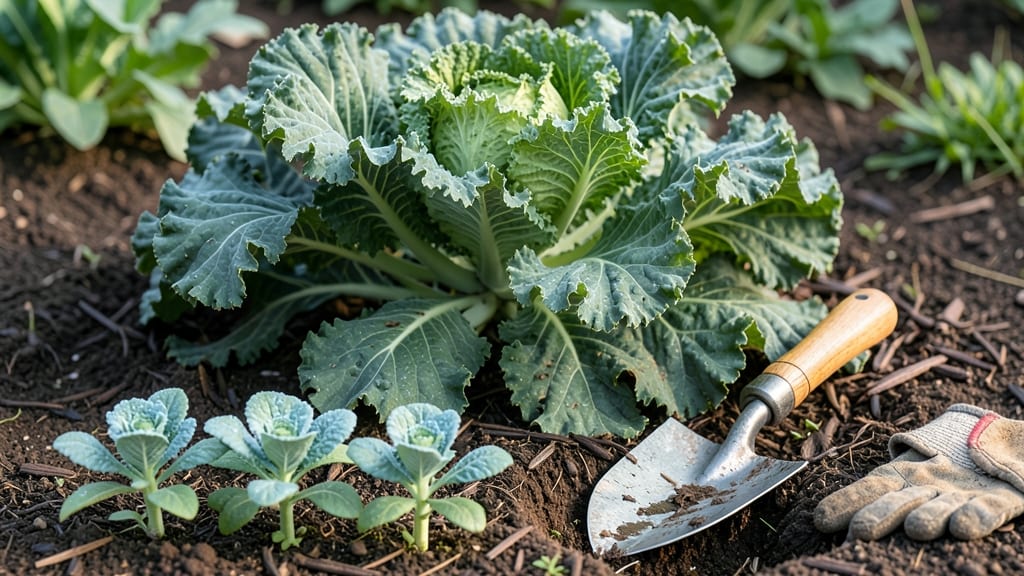
Planting brassicas in Michigan can feel like playing a high-stakes game of timing—one wrong move, and frost wipes out your entire crop. The key to success isn’t just knowing when to plant, but understanding how Michigan’s unpredictable climate shifts from region to region.
Whether you’re growing broccoli, cabbage, or kale, getting the timing right means the difference between a bountiful harvest and wasted effort.
I’ve spent years perfecting the schedule for my garden, and I’ll share exactly when to plant in your specific corner of the state—so you can avoid those heartbreaking late frosts.
From the Upper Peninsula’s cooler zones to the Southern Lower Peninsula’s warmer microclimates, each area has its own ideal planting window. We’ll break down the frost-free deadlines you need to know, plus pro tips for adjusting when Mother Nature throws curveballs.
Ready to grow brassicas that thrive? Let’s dive into the exact dates and strategies that will give you the best chance at a flavorful, frost-free harvest—no guesswork required.
Michigan’s brassica planting zones: frost-free deadlines by region
Brassicas thrive in Michigan’s cool climate, but timing your plantings around frost dates is critical. The Upper Peninsula faces earlier springs and later falls, while the Thumb Region enjoys longer growing seasons.
Understanding your last frost dates ensures healthy transplants and bountiful harvests. Let’s break down the best planting windows for each region’s unique microclimate.
Michigan’s brassica planting windows fall into two main seasons: spring (for summer harvests) and early summer (for fall harvests). For spring plantings, aim to transplant 2-3 weeks before your region’s last frost.
Fall plantings should happen 8-10 weeks before your first frost to allow time for maturity. Below, you’ll find the exact deadlines tailored to Michigan’s four key regions.
🌱
For the Upper Peninsula, where winters linger longer, start brassicas indoors in late March and transplant after May 15. In the Northern Lower Peninsula, you can begin transplanting as early as April 25, but wait until soil temperatures reach 45°F to avoid stunted growth.
The Southern Lower Peninsula and Thumb Region offer the earliest planting opportunities, with some gardeners even direct-sowing cold-hardy varieties like kale in March.
Fall brassicas are a Michigan gardener’s secret weapon for extending harvests. In the Upper Peninsula, plant late July for a fall crop, while the Thumb Region can push plantings into early August.
Use row covers to protect young plants from early frosts, especially in northern regions where temperatures can drop suddenly. For best results, choose fast-maturing varieties like ‘Blue Lake’ broccoli or ‘Red Russian’ kale, which can tolerate light frosts.
Soil temperature is just as critical as air temperature. Use a soil thermometer to confirm your garden beds are above 40°F before transplanting. Cold soil slows root development, leaving plants vulnerable to disease.
In northern Michigan, consider using black plastic mulch to warm soil faster and create a more consistent microclimate. For southern Michigan, where summers can be hot, provide afternoon shade to prevent bolting, especially for broccoli and cabbage.
Pro tip: Succession planting is key for a continuous harvest. In the Thumb Region, you can stagger plantings every 2 weeks from March through July to enjoy fresh brassicas all season.
In colder regions, focus on one or two main plantings—spring and fall—while protecting seedlings with cloches or row covers during unexpected cold snaps. This strategy maximizes your yield without overwhelming your garden space.
Don’t forget that microclimates can shift planting dates by 1-2 weeks. A south-facing garden warms up faster than a north-facing bed, while urban areas may experience heat islands that delay frost.
Pay attention to your garden’s unique conditions and adjust deadlines accordingly. When in doubt, consult your local cooperative extension office for hyper-local advice tailored to your specific zip code.
🌿
How to adjust planting for Michigan’s unpredictable weather patterns
Michigan’s weather can shift faster than a summer thunderstorm, leaving gardeners scrambling when frost sneaks in or heatwaves arrive early. Brassicas like broccoli and cabbage need consistent temperatures to thrive, so flexibility is key.
I’ve learned to use row covers and succession planting to protect my crops when the forecast turns finicky.
One of the biggest challenges is late spring frosts, which can hit as late as May 15 in northern Michigan. Even in warmer zones like the Thumb Region, unexpected cold snaps can damage young seedlings.
That’s why I always keep cold-hardy varieties like ‘Wisconsin Winter’ kale on hand—they tolerate light frosts down to 20°F.
⚠️ WARNING: DON’T PLANT TOO EARLY! ⚠️
For early heatwaves, which can arrive by June in southern Michigan, I switch to shade cloth or plant heat-tolerant varieties like ‘De Cicco’ broccoli. These plants handle warmer temperatures better and won’t bolt prematurely. If your seedlings start looking stressed—yellowing leaves or stunted growth—it’s a sign they’re struggling with heat.
Succession planting is my secret weapon for Michigan’s short growing season. Instead of planting all my brassicas at once, I stagger transplants every 2–3 weeks from May through July. This ensures a steady harvest and reduces the risk of losing everything to a single late frost or heatwave.
For example, I’ll plant cabbage in early May, again in late May, and once more in early June.
Soil temperature is another critical factor. Brassicas grow best when soil is at least 45°F, but they won’t thrive if it’s too hot. Use a soil thermometer to check before planting—ideal temperatures are 55–75°F.
In cooler zones, I often use black plastic mulch to warm the soil faster and create a more stable environment for seedlings.
Finally, keep an eye on the 7-day forecast before transplanting. If frost is predicted within 48 hours, delay planting or use row covers overnight. With these adjustments, you’ll beat Michigan’s weather and enjoy a bountiful brassica harvest all season long. 🌱