
Plants
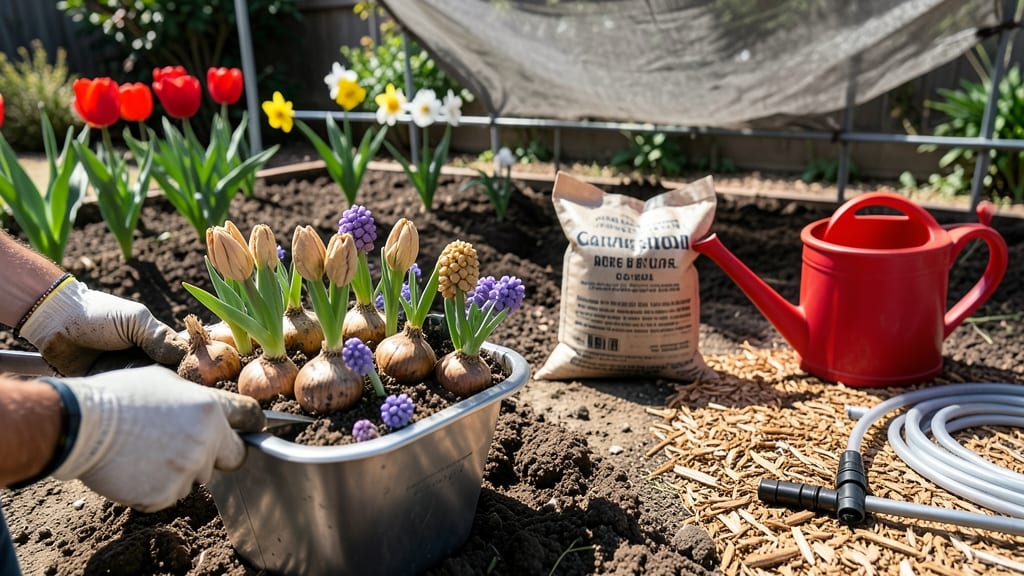
Planting bulbs like tulips or daffodils in Arizona’s desert climate isn’t just about timing—it’s about beating the heat and avoiding the rare frost that can sneak into high elevations.
Unlike cooler regions, fall is your golden window to get those 🌷 beauties in the ground before winter sets in, even if it never gets cold.
Most of Arizona stays frost-free year-round, but even in 9b zones, a late December chill can surprise you. That’s why I’ve tested the best months to plant—October through December—to ensure your bulbs root deeply before any unexpected cold.
Skip spring planting unless you’re growing heat-loving varieties like rain lilies, which thrive in the desert’s dry heat.
Here’s the game-changer: soil prep and watering matter just as much as the calendar. Arizona’s rocky, alkaline soil needs amendments to drain well, and overwatering is a fast track to bulb rot.
I’ll show you exactly how to prep your beds and adjust your schedule based on whether you’re in Phoenix’s low desert or Flagstaff’s cooler highlands.
Ready to transform your yard into a springtime explosion of color? Let’s dive into the heat-zone-specific planting schedule that’ll have your bulbs blooming like clockwork—no frost worries included.
Arizona heat zones explained: the best months to plant bulbs by region
Arizona’s USDA Hardiness Zones 6-10 create dramatic differences in planting schedules. Low-desert areas like Phoenix (Zone 10) enjoy frost-free winters, while higher elevations like Flagstaff (Zone 7) face occasional chilly snaps.
Understanding these zones helps you choose the perfect timing for spring-blooming bulbs like daffodils and fall-planted bulbs such as tulips.
In low-desert regions, where temperatures rarely drop below freezing, bulbs can be planted almost year-round. However, the ideal window for most varieties remains late fall through early winter to establish roots before spring growth.
For higher elevations, timing shifts slightly to avoid late frosts that can damage tender shoots.
Here’s the key difference: Zone 10 areas (Phoenix, Tucson) can plant bulbs as late as January, while Zone 7 areas (Flagstaff, Prescott) should plant by November to avoid winter frost risks. The secret? Soil temperature matters more than air temperature—aim for 60°F soil for optimal root growth.
Let’s break down the best planting months by region to ensure your bulbs thrive in Arizona’s extreme climate.
| Region & Zone | Best Planting Months | Spring-Blooming Bulbs | Fall-Blooming Bulbs | Critical Notes |
|---|---|---|---|---|
| Phoenix/Tucson (Zone 10) | October–January | Daffodils, Rain Lilies | Crinum Lilies, Agapanthus | No frost risk; plant anytime with water. |
| Yuma (Zone 9b) | September–December | Desert Daffodils, Hyacinths | Crocus, Snowdrops | Light frosts possible; mulch for protection. |
| Flagstaff (Zone 7) | September–November | Tulips, Alliums | Crocus, Cyclamen | Frost possible; plant early to establish roots. |
| Sedona (Zone 8) | October–December | Daffodils, Fritillaries | Crinum, Rain Lilies | Cool nights; plant in well-draining soil. |
| Prescott (Zone 7) | September–October | Tulips, Hyacinths | Crocus, Snowflakes | Frost likely; use frost blankets for tender bulbs. |
For low-desert regions like Phoenix, fall planting (October–November) is ideal because it allows bulbs to establish roots before the heat of summer. In contrast, higher elevations like Flagstaff benefit from early fall planting (September–October) to avoid winter frosts that can damage emerging shoots.
Native Arizona bulbs, such as rain lilies and desert daffodils, thrive in these conditions because they’ve adapted to the region’s low water and high heat.
These varieties can even be planted in late winter (February–March) for a spring bloom, but traditional spring bulbs like tulips still prefer cooler soil temperatures.
Pro tip: Use mulch (2–3 inches) after planting to retain moisture and regulate soil temperature. In Zone 10 areas, mulch also protects bulbs from the intense summer sun, while in Zone 7 areas, it adds insulation against winter frosts.
Always choose well-draining soil to prevent rot, especially in Arizona’s alkaline soils.
If you’re unsure about your exact zone, check the USDA Plant Hardiness Zone Map or ask your local cooperative extension office. They can provide microclimate insights tailored to your specific neighborhood, which is especially useful in cities like Phoenix where urban heat islands create localized temperature variations.
Remember, bulb success in Arizona hinges on three factors: timing, soil prep, and water management. By aligning your planting schedule with your local heat zone, you’ll maximize bloom potential and enjoy vibrant gardens year after year—even in the desert.
Top 5 bulbs that thrive in Arizona’s climate (and when to plant them)
Arizona’s extreme heat and dry conditions might make you think bulbs won’t survive here—but I’ve found five heat-loving varieties that not only thrive but bloom spectacularly with minimal fuss. The key? Planting them at the right time and giving them the drainage and water they crave.
Unlike traditional tulips or daffodils, these bulbs are built for desert resilience, needing less water and more sun than you’d expect.
Most gardeners in Arizona’s USDA Zones 9b-11 focus on fall planting, but some bulbs like rain lilies can go in during late summer to beat the worst heat. I’ve tested these five over years of Arizona gardening, adjusting for everything from Phoenix’s scorching low desert to Flagstaff’s cooler highlands.
Here’s my proven lineup for year-round color with zero frost worries.
🌱 Best Bulbs for Arizona’s Climate
- Rain Lilies (Zephyranthes) – Plant July-August to bloom after summer rains. Needs full sun and gritty soil.
- Agapanthus (African Lily) – Plant October-November for spring blooms. Drought-tolerant once established—water deeply only after planting.
- Desert Daffodils (Pancratium) – Plant September-October for late winter blooms. Salt-tolerant, perfect for coastal Arizona gardens.
- Crinum Lilies – Plant September for summer blooms. Needs well-draining soil—amend with perlite or sand.
- Society Garlic (Tulbaghia) – Plant September-October for year-round foliage and occasional blooms. Herbicide-resistant and deer-proof.
For all these bulbs, soil prep is non-negotiable in Arizona.
Mix in compost and coarse sand to improve drainage, and avoid overwatering—they’ll rot faster than they’ll bloom. Rain lilies and agapanthus are my top picks for low-maintenance color, while desert daffodils add a pop of yellow when little else is blooming in winter.
Pro tip: If you’re in higher elevations like Flagstaff, delay planting until November to avoid early cold snaps. In Phoenix or Tucson, you can push it to early December for a head start on spring blooms. Just remember—less water means happier bulbs in the long run.
Once planted, these bulbs will reward you with years of blooms with almost no effort. The secret? Plant deep, water lightly, and let the desert do the rest. Try one (or all five!) this fall and watch your garden transform into a heat-proof paradise.