
Plants
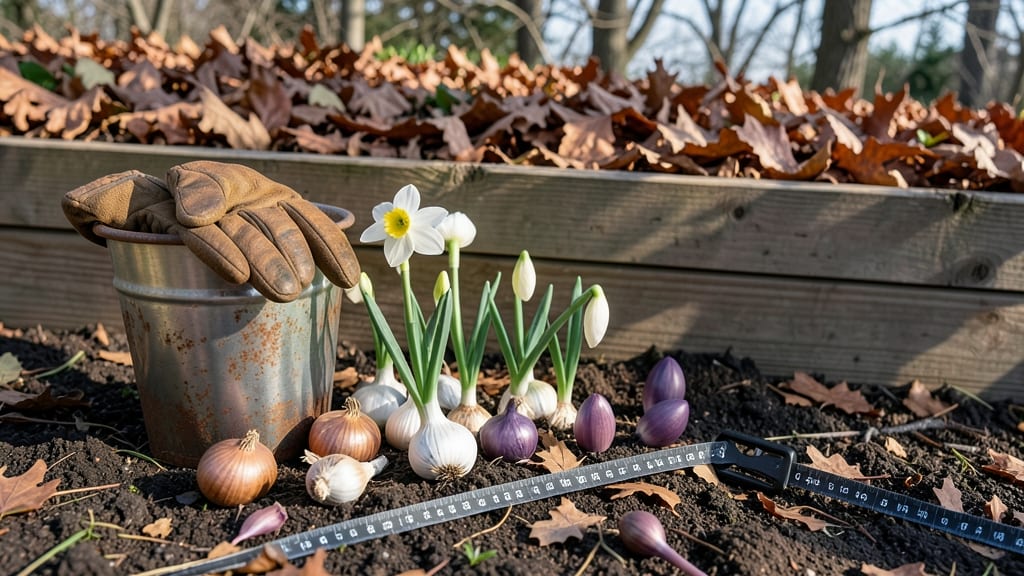
Planting bulbs at the wrong time in Indiana can mean the difference between a showstopping spring garden and a sad, withered disappointment. The chill-hour rules for your zone are the secret to timing that ensures vibrant tulips, daffodils, and crocuses emerge right on schedule—no guesswork needed.
For Indiana’s USDA Zone 6a, fall is the golden window to plant most bulbs—between September and November—giving them time to root before the ground freezes. But did you know some varieties, like crocuses, actually thrive when planted in late fall or even early spring?
Let’s break down the exact timing for each type so you never miss a bloom.
Whether you’re a first-time gardener or a seasoned pro, getting the soil prepped and the bulbs in at the right depth makes all the difference.
I’ll walk you through the steps to avoid common mistakes, like planting too shallow or waiting too late, so your 🌷 bulbs get off to the best start possible.
Ready to transform your garden into a springtime masterpiece? By the end of this guide, you’ll know exactly when to plant each bulb type—plus how to adjust for Indiana’s unpredictable weather—so you can enjoy blooms that rival the pros.
Indiana’s chill-hour zones: when to plant bulbs by variety
Indiana’s USDA Zones 5-6 create a unique challenge for bulb lovers—too early, and bulbs rot in soggy soil; too late, and they won’t establish roots before winter. The key? Chill-hour requirements, which vary by bulb type.
Most spring-blooming bulbs need 12-16 weeks of cold (40°F or below) to trigger flowering, while hardy varieties like crocuses thrive with just 8-10 weeks.
For Indiana gardeners, this means fall planting (September-November) is critical for spring blooms. But not all bulbs play by the same rules—tulips demand precise timing, while daffodils offer more flexibility. Let’s break down your chill-hour zone and match it to the perfect planting window for guaranteed blooms.
📌 Pro Tip: Use your last average frost date (around April 15 in most of Indiana) as your guide. Bulbs need 6-8 weeks to root before winter sets in.
| Bulb Type | Chill-Hour Needs | Best Planting Window | Zone 5 Timing | Zone 6 Timing |
|---|---|---|---|---|
| Tulips | 12-16 weeks | Late Sept-Oct | By Oct 15 | By Nov 1 |
| Daffodils | 8-12 weeks | Mid-Sept-Nov | By Nov 15 | By Dec 1 |
| Crocuses | 6-8 weeks | Late Aug-Oct | By Oct 30 | By Nov 15 |
| Hyacinths | 14-16 weeks | Early Sept-Oct | By Sept 30 | By Oct 15 |
| Alliums | 10-12 weeks | Late Sept-Oct | By Oct 20 | By Nov 10 |
If you’re in Zone 5 (northern Indiana), aim to plant tulips and hyacinths by late September—they need that full chill period. Zone 6 gardeners have slightly more wiggle room, but don’t push it past early November. Daffodils are the most forgiving, often blooming even if planted in early November.
For spring planting (a last-resort option), focus on hardy varieties like crocuses or grape hyacinths. Plant them in March-April as soon as soil is workable, but expect smaller blooms compared to fall-planted bulbs. 🌱
Soil temperature matters just as much as air temperature. Use a soil thermometer—bulbs should go into soil that’s 60°F or below. In Indiana’s unpredictable fall, this often means waiting until October for northern zones to avoid rot. 🌡️
Don’t overlook depth and spacing. Plant bulbs at a depth equal to 2-3x their diameter (e.g., 6 inches deep for tulips). Space them 4-6 inches apart for small bulbs, 8-12 inches for larger ones like daffodils. 📏
Indiana’s variable winters can throw off chill-hour calculations. If you experience a mild winter, bulbs may not get enough cold exposure. To compensate, plant earlier in fall or choose early-blooming varieties like ‘Early Sensation’ tulips or ‘Tête-à-Tête’ daffodils, which require fewer chill hours.
For container gardening, use well-draining pots and plant bulbs shallower than in-ground (about 1.5x their diameter). Move containers to a garage or cold frame during winter if temperatures hover above 40
Fall planting checklist: step-by-step for Indiana’s short season
Indiana’s unpredictable fall weather can make bulb planting tricky, but with the right timing, you’ll get showstopping spring blooms every year. The key is planting 6-8 weeks before the ground freezes—typically between late September and mid-November—to give roots time to establish before winter sets in.
Start by testing your soil’s drainage and pH (aim for 6.0-7.0). Amend heavy clay soil with compost or sand to prevent rot, and avoid planting in soggy areas. Once your soil is ready, follow these critical steps to ensure your bulbs thrive.
Step-by-Step Fall Planting Guide for Indiana
- Choose the Right Bulbs: Pick hardy varieties like tulips, daffodils, crocuses, and hyacinths for Indiana’s climate. Crocuses can even handle late fall planting.
- Prep the Soil: Loosen soil to 12 inches deep and mix in compost or bone meal for nutrients. Avoid fresh manure.
- Plant at Correct Depth: Follow the "3x rule": depth = 3x the bulb’s height (e.g., 6" for standard tulips).
- Space Bulbs Properly: Leave 4-6 inches between small bulbs (e.g., crocuses) and 8-12 inches for larger ones (e.g., daffodils).
- Plant by Mid-October: Aim for October 1-15 in most of Indiana. Late plantings (November) risk shallow roots before freeze.
- Mulch After Planting: Apply 2-3 inches of mulch (straw or shredded leaves) to insulate bulbs and deter rodents.
- Water Thoroughly: Give bulbs 1 inch of water after planting, then monthly until the ground freezes.
Protect bulbs from early freezes or hungry squirrels with chicken wire cages or rodent repellent granules. In Zone 5 areas (northern Indiana), plant 2 weeks earlier than Zone 6 to account for colder soils.
For late fall plantings (after November), opt for crocuses or snowdrops, which tolerate colder soils. Always mark planting spots with flags or a map to avoid disturbing bulbs next spring.
With this checklist, your 🌷 bulbs will emerge stronger and more vibrant, turning your Indiana garden into a springtime paradise.