
Plants
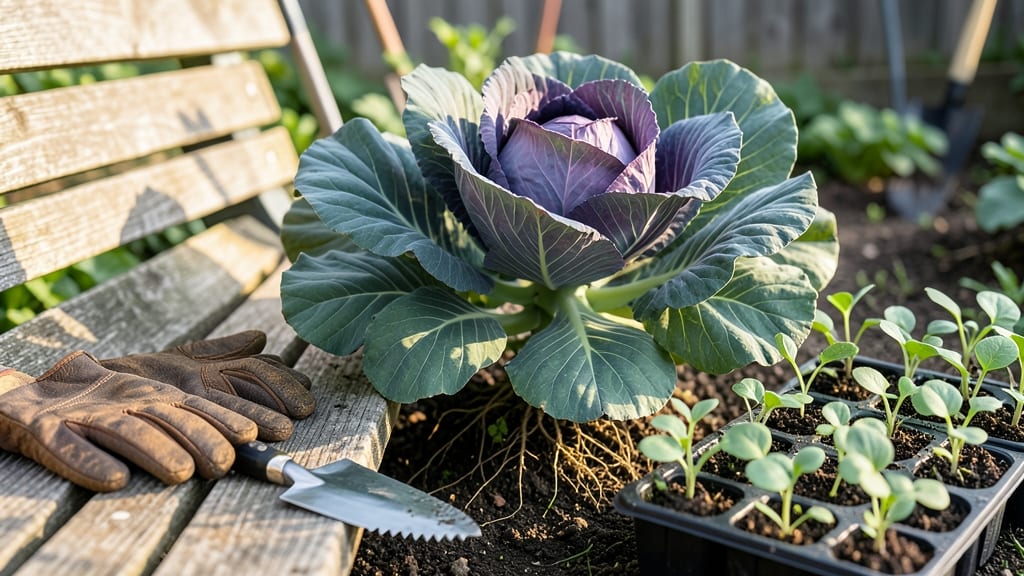
Planting cabbage in Kentucky at the wrong time means either freezing heads or bitter, bolted greens—neither of which you want on your dinner table. The key to a successful harvest lies in timing it right between those unpredictable frost dates and heat waves that define the Bluegrass State's growing seasons.
If you're in USDA Zone 6a like most of Kentucky, your best window is March to April for spring plantings and July to August for fall crops.
Too early, and a late frost will wreck your seedlings; too late, and your cabbage will rush to flower before you get those crisp, flavorful heads. I'll show you exactly how to nail those dates—and what to watch for when Kentucky's weather throws curveballs.
Most gardeners focus only on the calendar, but the real secret is reading your soil and sky. Cold-hardy varieties like 'Golden Acre' can handle light frosts, while heat-sensitive types need afternoon shade when temperatures creep above 85°F.
Let me walk you through the full process—from soil prep to transplanting—so you can grow 🥬 that's ready to harvest in June or October without the guesswork.
Whether you're a first-time gardener or a veteran with a few failed attempts under your belt, these Kentucky-specific tips will help you grow cabbage that's head-turningly good. Ready to turn your garden into a cabbage powerhouse? Let's get started.
Kentucky cabbage planting dates by USDA heat zone (with frost risk charts)
Kentucky’s USDA zones 6-7 create distinct planting windows for cabbage (Brassica oleracea), where timing directly impacts yield and flavor.
In zone 6a, like much of northern Kentucky, the average last frost date is around March 15, while zone 7a in southern regions sees frost-free conditions by March 1. These differences mean your planting schedule should shift based on where you garden.
For both zones, spring cabbage thrives when planted 4-6 weeks before the last frost, while fall cabbage benefits from an 8-10 week head start before the first frost (typically November 15 in zone 6a). Miss these windows, and you risk frost damage or premature bolting—especially in Kentucky’s unpredictable climate.
Here’s how to visualize the frost risk and optimal planting dates for your specific USDA zone, ensuring your cabbage matures before extreme heat or cold sets in.
In USDA zone 6a, where I garden in northern Kentucky, the spring planting window of March 1 - April 15 aligns with soil temperatures warming enough to support seedling growth.
If you’re in zone 7a, you can start as early as January 15—but watch for late winter freezes, which can still occur.
For fall cabbage, the July 15 - August 15 window in zone 6a ensures heads mature before November’s first frost.
In zone 7a, you’ve got a longer window (June 1 - July 15), but heat stress becomes a risk if planting too late. Slow-bolting varieties like ‘Golden Acre’ or ‘Winterbor’ are ideal for Kentucky’s climate.
Pro tip: Use row covers or cold frames to extend your spring planting window by 2-3 weeks in zone 6a. This gives your cabbage a head start before Kentucky’s infamous late spring frosts—which can still hit as late as April 15.
If you’re transplanting seedlings instead of direct-sowing, harden them off for 7-10 days before setting them out. In zone 6a, aim for April 1 for transplants, while zone 7a gardeners can start as early as March 15. Always space plants 18-24 inches apart
Spring vs. fall cabbage planting: Kentucky-specific pros, cons, and yield differences
Kentucky’s cool spring mornings and mild fall evenings create ideal conditions for cabbage, but timing is everything. Spring plantings thrive in USDA zones 6-7 with lower pest pressure, while fall crops risk early frost if sown too late.
Let’s break down which season works best for your Kentucky garden.
For spring cabbage, I recommend transplanting seedlings 4-6 weeks before Kentucky’s average last frost date (typically early March in most regions). This gives plants enough time to mature before summer heat sets in.
In contrast, fall cabbage needs to be planted 8-10 weeks before the first frost (usually late July to early August) to avoid stunted growth.
Spring Cabbage
- Higher yield (2-3 heads per plant)
- Lower pest risk (fewer cabbage worms)
- Longer harvest window (June-July)
- Summer bolting risk if too hot
- Requires consistent watering
- Slower growth in heat
Fall Cabbage
- Cooler growing conditions (less stress)
- Sweeter flavor (higher sugar content)
- Fewer weeds in late season
- Early frost risk (November threats)
- Lower yield (1-2 heads per plant)
- Higher slug risk in damp fall
If you’re growing spring cabbage in Kentucky, focus on heat-tolerant varieties like ‘Golden Acre’ or ‘Cavalo’. These handle summer heat better while still producing large, firm heads. For fall plantings, opt for fast-maturing types such as ‘Early Jersey Wakefield’ to beat frost.
To extend your fall harvest window, use row covers or low tunnels to protect plants from light frosts (down to 25°F). I’ve had success with this method in Lexington’s zone 6b, adding 2-3 extra weeks to the growing season.
For spring plantings, mulch heavily to retain moisture during Kentucky’s dry May-June periods.
Remember: Kentucky’s microclimates vary. Northern regions (like Paducah) have earlier frost dates than southern areas (like Bowling Green). Always check your local frost-free date averages and adjust planting times accordingly. With the right timing, you can enjoy fresh cabbage year-round in your garden! 🥬