
Plants
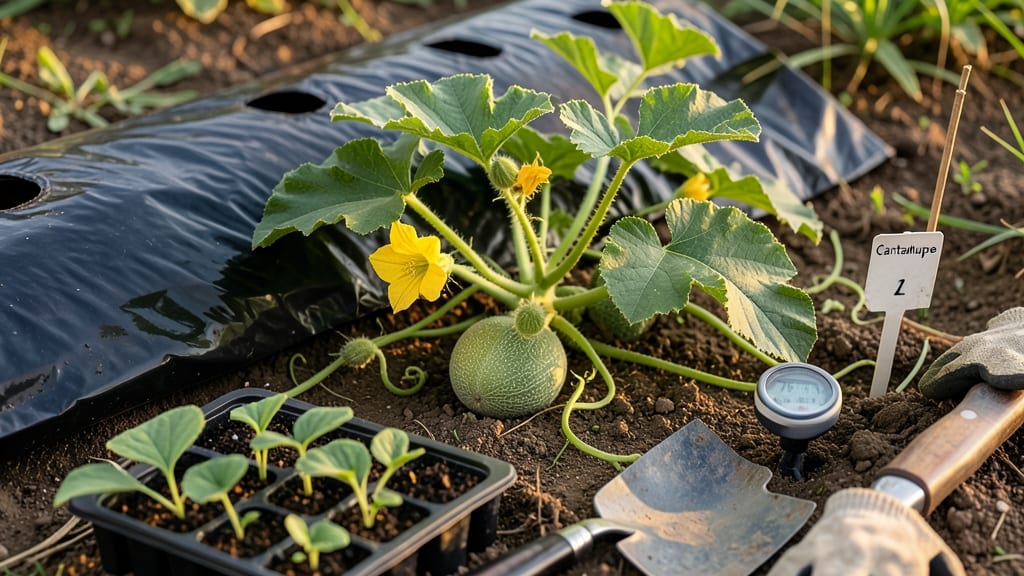
Planting cantaloupe in Missouri isn’t just about waiting for spring—it’s about catching the perfect soil warmth window to trigger those fast, eager sprouts. With USDA zones 5b-6b and unpredictable frost dates, timing matters more than you’d think.
Skip the guesswork and learn exactly when to plant for explosive germination and zero frost risk.
Your cantaloupe 🍈 thrives when soil hits 70°F+, but Missouri’s April showers can turn that into a waiting game. We’ll break down the ideal planting window—April 15 to May 15—and how to adjust for your specific region, whether you’re in St. Louis, Kansas City, or rural farmland.
Why wait? Fast germination means faster harvests, and with July-September being your sweet spot, you’ll want to lock in those planting dates. I’ll share soil prep tips and companion plants to give your melons the best start—because in Missouri, every day counts.
Ready to grow cantaloupe like a pro? Let’s dive into the exact steps to turn your garden into a melon powerhouse—no more missed opportunities or wilted vines. Your first ripe cantaloupe could be just 70 days away!
Missouri cantaloupe planting dates by soil temperature and frost risk zones
Cantaloupe thrives in warm soil and long summer days, but Missouri’s USDA zones 5b-7a mean frost can linger until mid-April in northern regions. Planting too early risks seed rot or stunted growth, while waiting too long cuts your harvest window short.
The key? Monitor soil temperature (not air temp) and align planting with your county’s last frost averages.
For optimal germination, cantaloupe seeds need soil at 75°F+—colder soil delays sprouting or causes seeds to rot. In St. Louis (Zone 6a), this typically happens by late April, while Kansas City (Zone 6b) and Columbia (Zone 6a) may wait until early May.
Northern Missouri (e.g., St. Joseph, Zone 5b) often needs to wait until mid-May for consistent warmth.
Here’s how to match your planting timeline to soil warmth and frost risk across Missouri’s major regions:
| Region | USDA Zone | Avg. Last Frost | Ideal Soil Temp for Planting | Recommended Planting Window | Notes |
|---|---|---|---|---|---|
| St. Louis | 6a | April 15 | 75°F+ | April 25 – May 10 | Urban heat islands may warm soil faster; test with a soil thermometer. |
| Columbia | 6a | April 10 | 75°F+ | May 1 – May 15 | Cooler nights delay planting; use row covers if needed. |
| Kansas City | 6b | April 5 | 75°F+ | May 1 – May 10 | Dry winds can stress seedlings; mulch heavily after planting. |
| Springfield | 6b | April 1 | 75°F+ | May 5 – May 20 | Higher elevation = cooler soil; plant transplants instead of seeds. |
| St. Joseph | 5b | April 20 | 75°F+ | May 15 – May 30 | Short growing season; choose early-maturing varieties (e.g., 'Athena'). |
Missouri’s historical frost data shows that late spring frosts (after April 15) are most common in northern counties, while southern Missouri (e.g., Poplar Bluff, Zone 7a) can plant as early as April 1 if soil is warm.
Always check the National Weather Service or Missouri Climate Center for your county’s 10-year frost averages—these can shift by 1-2 weeks due to climate trends.
Pro tip: Use a soil thermometer (available for $10-$15) to confirm warmth before planting. Stick it 2 inches deep in the soil at 10 AM—if it reads below 70°F, wait 3-5 days or use black plastic mulch to warm the soil faster.
I’ve seen 5-7°F warmer soil under mulch just 48 hours after laying it down!
If your area’s frost risk extends beyond May 15, consider starting seeds indoors in biodegradable pots 3-4 weeks before your target outdoor date. Transplant seedlings when they have 2-3 true leaves and soil hits 65°F+.
Harden them off by placing them outside for 2-3 hours daily for 5-7 days before full transplant.
Remember: Cantaloupe vines need 90+ days to mature, so late plantings (after June 1) risk small fruit before first frost. In Zone 5b, aim to harvest by mid-September; in Zone 7a, you can extend until early October.
Plan your variety and planting date accordingly to avoid disappointment!
For extra insurance, choose heat-tolerant varieties like 'Hale’s Best' or 'Ambrosia'—they handle Missouri’s 90°F+ summers better than standard types. Pair them with drip irrigation to keep roots cool and consistent, and you’ll be feasting on homegrown cantaloupe by July 4th or earlier!
How to extend Missouri’s cantaloupe growing season with cold protection
Missouri’s cool springs often delay cantaloupe planting—but with the right strategies, you can start seeds early and protect young vines from late frosts. Cantaloupes thrive in warm soil (75°F+), so extending the season means beating the odds with row covers, black plastic mulch, and indoor starts.
These methods help you plant earlier and harvest longer, even in Missouri’s USDA zones 5b-6b.
My go-to method is combining indoor seed starting with row covers for outdoor protection. This approach lets me plant cantaloupe seeds 4-6 weeks before the last frost date, giving me a 120-day harvest window from early July through September.
The key is gradual hardening and soil warming to ensure strong, frost-resistant transplants.
Here’s my step-by-step plan to extend Missouri’s cantaloupe season:
Once your cantaloupe vines are 3-4 inches tall and soil temps consistently stay above 75°F, you can remove row covers permanently. This usually happens by late May to early June in Missouri, giving your plants enough time to mature before the first frost in mid-October.
With this method, I’ve extended my harvest by 3-4 weeks compared to direct outdoor sowing.
Pro tip: Pair cantaloupes with radishes or nasturtiums as companion plants—they repel pests and improve soil health without competing for nutrients. Just avoid planting near potatoes or pumpkins, as they can stunt cantaloupe growth.
By combining indoor starts, soil warming, and protective covers, you’ll turn Missouri’s unpredictable spring into your cantaloupe’s superpower season. 🌱