
Plants
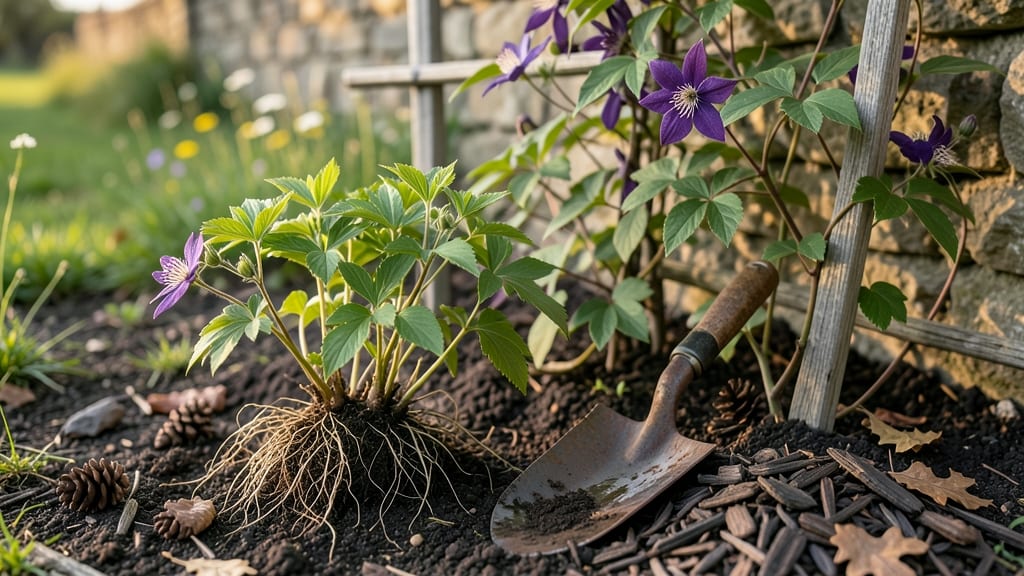
Planting your clematis 🌸 in Texas at the wrong time means fighting against scorching summer heat or weak roots that never take hold. The key to vibrant, long-lasting blooms starts with choosing the right window—whether it's the cooler months of fall or the milder days of early spring.
Texas gardeners know timing matters, especially when dealing with 8a-10b zones where temperatures swing wildly. Fall planting (October-November) gives roots a head start before summer’s intensity, while early spring (February-March) avoids the brutal heat.
Both strategies work, but each has its own advantages depending on where you live in the Lone Star State.
I’ve seen firsthand how a well-timed clematis planting can mean the difference between a thriving vine and one that struggles to survive. With the right soil prep, mulching, and watering schedule, you’ll set your clematis up for stronger growth and more spectacular blooms—no matter which season you choose.
Ready to transform your garden? Let’s break down the best months for your region, plus the essential steps to ensure your clematis takes root like a pro. Your future vine’s success starts now.
Best months to plant clematis in Texas by region (north vs. central vs. south)
Texas isn’t one-size-fits-all when it comes to planting clematis. The state’s diverse microclimates mean what works in North Texas might fail in South Texas.
For example, North Texas (Zone 8a) can plant as late as mid-November, while South Texas (Zone 10a) should avoid planting after October 15 to prevent summer stress.
The key is understanding your last frost date and heat tolerance. Clematis roots need 6-8 weeks to establish before summer’s brutal heat arrives. In Central Texas (Zone 8b-9a), this means planting by late October for fall or early February for spring.
Let’s break it down by region so you can pick the perfect window for your garden.
| Region | USDA Zone | Best Planting Months | Last Frost Date | Soil Prep Tip |
|---|---|---|---|---|
| North Texas | 8a | October 15 - November 15 | February 15 | Amend clay soil with compost |
| Central Texas | 8b-9a | October 1 - November 10 | March 1 | Add organic mulch for moisture |
| South Texas | 9b-10a | September 15 - October 15 | January 15 | Use shade cloth for summer |
| All Regions | - | February 1 - March 15 | N/A (Spring) | Plant with trellis in place |
In North Texas, the cool fall months (October-November) are ideal because they allow roots to establish before winter dormancy. I’ve seen clematis planted here in mid-November still thrive if protected with mulch.
The last frost date of February 15 gives you a narrow spring window, so don’t wait too long.
For Central Texas, where Zone 8b-9a brings milder winters, you’ve got a slightly longer window. Planting in early October lets roots settle before summer heat, while late October is still safe.
The March 1 last frost date means spring planting can stretch into early April—but be prepared for 100°F+ temperatures by June.
In South Texas, the warm climate (Zone 9b-10a) demands earlier planting. Aim for September 15-October 15 to avoid summer’s intensity. I’ve had clematis planted in November here, but they struggle with heat stress by May.
The January 15 last frost date means spring planting is riskier—stick to late winter if you choose this route.
No matter your region, soil preparation is critical. Clematis thrives in well-draining, slightly acidic soil (pH 6.5-7.0). In North Texas, amend clay-heavy soil with compost or sand.
In South Texas, focus on moisture retention with organic mulch. Always plant the crown 2-3 inches below soil to protect it from heat and drought.
One common mistake I see is planting too late in spring. By April, Texas heat can shock young roots. If you miss fall, opt for early February planting and provide shade cloth until roots establish.
Your clematis will reward you with vibrant blooms and low-maintenance growth if you time it right.
Pro tip: Pair your planting with a trellis or arbor installed before you plant. Clematis vines grow 6+ feet per year, and waiting means struggling to attach them later.
How Texas heat and humidity affect clematis planting success
Texas' intense heat and high humidity create unique challenges for clematis growth. Unlike cooler climates, these conditions demand special attention to watering, mulching, and fungal prevention to keep your vines thriving.
I’ve learned the hard way—skipping these steps can lead to wilting or powdery mildew before your clematis even establishes roots.
Clematis vines need consistent moisture but hate soggy roots. In Texas, this means deep watering early in the morning to reduce evaporation while avoiding waterlogged soil. The high humidity also increases the risk of fungal diseases, which can turn lush green leaves into yellow, spotted messes if not controlled.
Another critical factor is mulching. A thick layer of organic mulch (like shredded bark) helps retain moisture, regulates soil temperature, and prevents weeds. Without it, your clematis roots will struggle during 100°F+ heatwaves, which are common in Texas summers.
I’ve seen mulched plants thrive while nearby unmulched ones wilt within weeks.
⚠️ Texas Heat Warning
Planting clematis in peak summer (May-September) is a recipe for disaster. The relentless heat stresses roots, and high humidity invites fungal diseases. Even container-grown clematis needs extra care—pots dry out faster, and roots can overheat. Fall (October-November) or early spring (February-March) are your safest bets for strong root establishment.
For container planting, choose lightweight pots with drainage holes and use a well-draining mix (like 60% potting soil, 30% perlite, 10% compost). Containers heat up faster than ground soil, so move them to partial shade during peak afternoon sun.
I’ve had containers crack under Texas heat—always monitor soil moisture closely.
If you’re planting in-ground, select a north-facing or east-facing location to avoid the harsh afternoon sun. Pair your clematis with a heat-loving companion plant, like roses or lavender, to improve airflow and reduce fungal risks. I’ve noticed my clematis blooms last longer when paired with these companions.
Finally, prune wisely. In Texas, late summer pruning can stress vines before they’ve recovered from heat. Instead, prune in early spring (February) to encourage new growth as temperatures rise. This timing helps your clematis bounce back faster from winter dormancy and prepares it for the long growing season ahead.
With these adjustments, your clematis will thrive in Texas’ tough conditions, producing vibrant blooms year after year. The key is adapting to the climate—not fighting it. 🌸