Plants
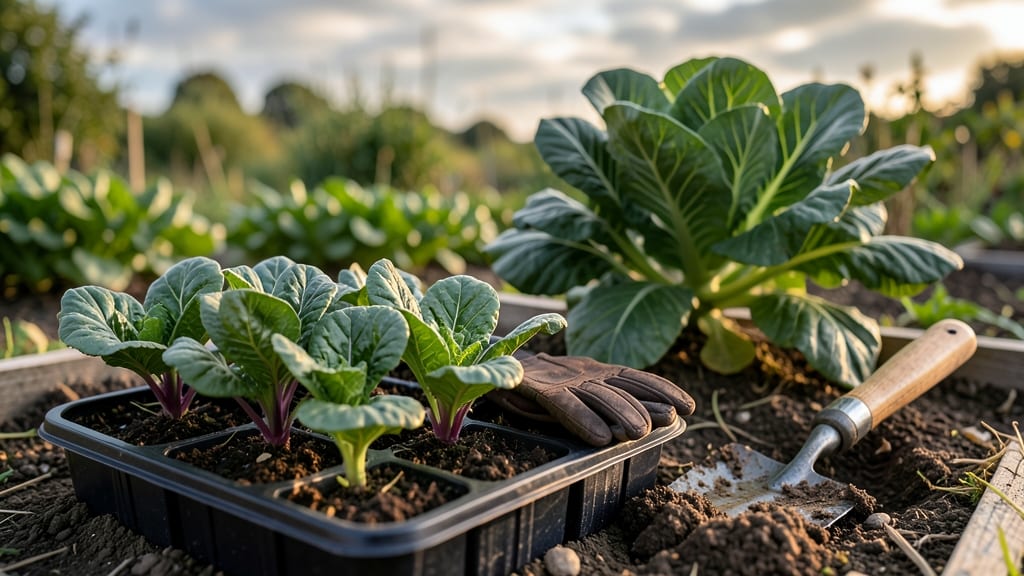
Planting collards in Zone 7b at the wrong time means either waiting months for harvests or watching your plants bolt in the heat—so timing is everything. These leafy greens 🥬 actually prefer cooler weather, which is why spring and fall are your best bets for fast, frost-safe growth.
If you're aiming for a fall harvest, start seeds indoors 4-6 weeks before your last frost date (around March 15 for Zone 7b). For a spring harvest, plant seeds directly in the garden 6-8 weeks before your first frost (late August to early September).
Miss these windows, and you might end up with bitter leaves or stunted plants. The key is understanding how Zone 7b's 195 frost-free days work in your favor—whether you're in Virginia, North Carolina, or Tennessee. Let me show you exactly how to calculate your perfect planting dates.
Once you nail the timing, you'll get collards that grow fast and stay productive through fall's first frosts. Ready to avoid the common mistakes and maximize your harvest? Let's dive into the exact steps.

Best planting dates for collards in Zone 7b: frost-free timing explained
Collards are a cool-season powerhouse that thrive in Zone 7b’s mild winters and warm summers. But timing is everything—plant too early, and you risk bolting from heat; too late, and frost ruins your harvest.
The key is understanding your last frost date and working backward from your 90-day harvest window.
In Zone 7b, the average last frost date falls around April 15, while the first hard frost typically hits November 15. This gives you two prime planting windows: early spring (March-April) and late summer/fall (August-September). Let’s break down the exact dates for each.
⚠️ NON-NEGOTIABLE: Collards need 60-75 days to mature. Planting too close to frost means bitter, tough leaves instead of tender, flavorful harvests. Here’s your frost-free planting calendar tailored for Zone 7b:
For spring planting, aim to sow seeds 4-6 weeks before your last frost date. In Zone 7b, that means early March for transplants or mid-March for direct sowing. Start seeds indoors in late February if you want a head start.
Fall planting is where collards truly shine. Seed 8-10 weeks before your first frost—so early August in Zone 7b—for a sweet, frost-sweetened harvest in October. A second planting in mid-September can yield leaves into December, provided you use row covers.
Pro tip: Use a soil thermometer to confirm soil temps are 40°F+ before planting. Cold soil delays germination, and collards hate soggy roots. Well-drained, sandy loam with a pH of 6.0-7.0 is ideal.
Zone 7b’s microclimates matter! If you’re in higher-elevation areas (like western NC), frost comes earlier—shift planting dates 1-2 weeks earlier. Coastal areas (e.g., eastern NC) have warmer microclimates, so you can push dates 1 week later.
Don’t forget succession planting! Sow new seeds every 2-3 weeks from April through July to ensure a continuous supply of tender leaves. This works especially well for baby collard greens, harvested at 45 days.
For overwintering, mulch heavily with straw or leaves after your first frost. Collards can survive light freezes (down to 20°F) and may even bolster flavor after frost—just protect them with row covers for hard freezes.
How to extend collard growth in Zone 7b: frost protection and seasonal hacks
Zone 7b’s transitional climate makes collards tricky—too early, and they bolt; too late, and frost ruins your harvest. The key is proactive frost protection and smart seasonal hacks. I’ve grown collards here for years, and these methods keep them thriving through November’s first frosts and even into winter.
Start with mulching. A 3-inch layer of straw or shredded leaves insulates roots, keeping soil temps stable. I use black plastic mulch in early fall to warm soil for late-season growth, then switch to straw when frosts approach. This simple swap extends harvest by 3-4 weeks.
⚠️ callout-warning ⚠️
Light frosts (28°F) won’t kill collards, but hard frosts (24°F or lower) will. Use floating row covers when temps drop below 30°F—even for just one night. Remove covers during the day to prevent overheating. If you’re in North Carolina’s mountains, expect earlier frosts (late October) than Tennessee’s valleys (mid-November).
For companion planting, pair collards with bush beans or radishes. Beans fix nitrogen in the soil, while radishes deter pests like cabbage worms. I also plant onion sets nearby—their scent confuses collard flies. This combo keeps my plants healthier and more productive all season.
When first frosts arrive, harvest leaves before dawn when they’re still crisp. Toss the toughest outer leaves and save the tender inner ones. If you’re lucky, your collards will regrow after light frosts, giving you a second harvest in late winter (February-March).
For extended fall growth, try succession planting. Sow new seeds every 2-3 weeks from late July through August. This ensures a steady supply of young plants that can handle fall’s cooling temps without bolting. I’ve had collards ready for harvest as late as December using this method.
Finally, prune regularly—cutting outer leaves encourages bushier growth. I harvest every 10-14 days to keep plants productive. With these hacks, you’ll avoid frost damage and enjoy collards longer than most Zone 7b gardeners. 🥬