
Plants
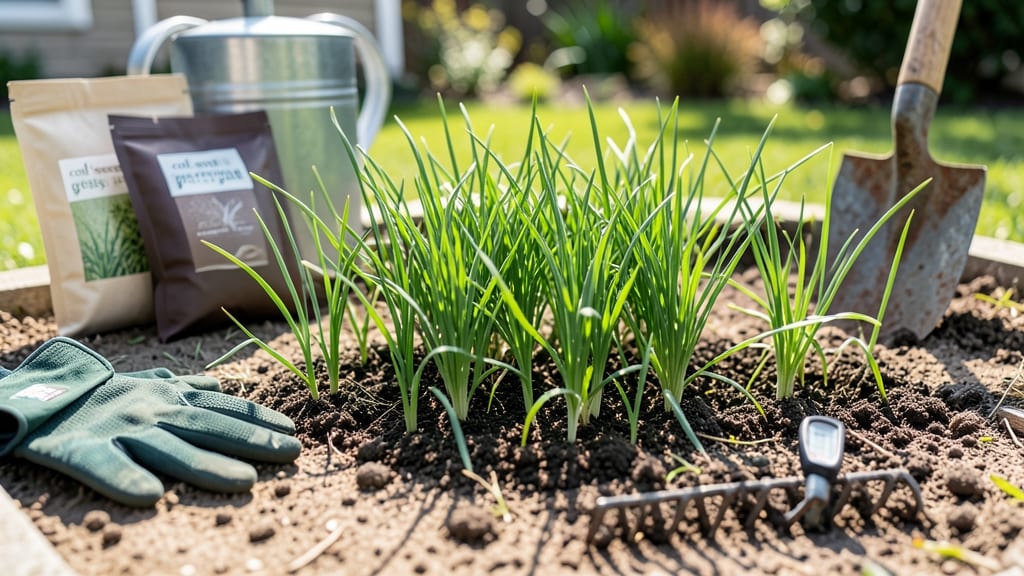
Planting your cool season grass at the wrong time in spring can turn your lush lawn dreams into a patchy nightmare—soil temperature is the real game-changer most gardeners overlook.
Whether you're in USDA Zone 6a or beyond, getting this timing right means the difference between a vibrant lawn and weeks of bare spots staring back at you.
Most people assume "spring" means March or April, but that’s where they go wrong. Cool season grass like Kentucky bluegrass and fescue thrives when soil temps hit 40-55°F—too early, and frost will kill seedlings; too late, and summer heat will stress them out.
I’ll show you exactly how to read your soil’s temperature cues and adjust your planting schedule for a faster, stronger lawn.
Let’s cut through the guesswork. You’ll learn the ideal planting window for your region, how to prep your soil for success, and the 3 biggest mistakes that sabotage new grass—even when everything else seems perfect. Ready to turn your lawn into the envy of the neighborhood? Let’s get started.
With the right timing, your cool season grass will establish in half the time and handle summer stress like a pro. No more waiting months for coverage or dealing with weak, patchy growth. This is how you build a lawn that stays green all season long.
Ideal soil temperature ranges for planting cool season grass in spring
Planting cool-season grass at the right time in spring isn't just about avoiding frost—it's about soil temperature. When the ground is too cold, seeds won't germinate, but if it's too warm, they'll dry out before sprouting.
The sweet spot for most cool-season grasses like Kentucky bluegrass, fescue, and ryegrass is between 40°F and 55°F. This range ensures strong root development and faster establishment, giving your lawn a competitive edge over weeds.
Why does soil temperature matter so much? Cool-season grasses are cold-hardy but heat-sensitive in their early stages. When soil is below 40°F, germination slows dramatically, while temperatures above 55°F can cause seeds to overheat and fail to sprout.
Even a 5°F difference can impact germination rates by up to 30%. Understanding these thresholds helps you avoid common mistakes like planting too early in northern climates or too late in southern regions.
Here’s how these temperature ranges break down for the most popular cool-season grass varieties:
| Grass Type | Optimal Soil Temp (°F) | Germination Time | Regional Notes |
|---|---|---|---|
| Kentucky Bluegrass | 45–55°F | 7–14 days | Best in USDA Zones 3–9; avoid planting if soil temps exceed 60°F. |
| Tall Fescue | 40–50°F | 10–21 days | Tolerates cooler soils; ideal for northern climates (Zones 4–7). |
| Perennial Ryegrass | 45–55°F | 5–10 days | Fastest germinator; great for southern Zones 6–10 with mild winters. |
| Fine Fescue | 40–50°F | 14–28 days | Best for shady or dry areas; slower but drought-resistant. |
🌱 Pro Tip: Use a soil thermometer to check temps at 4-inch depth—this is where seeds will be.
Testing soil temperature accurately is easier than you think. Grab a soil thermometer (available for under $10) and insert it 4 inches deep—this mimics the depth where grass seeds will germinate. Check temperatures in the morning (soil is cooler) and late afternoon (soil is warmer).
If your readings consistently fall between 45°F and 55°F for at least 3–5 days, it’s time to plant. In northern climates, this might mean waiting until late April or early May, while southern regions can start as early as February.
Regional variations play a huge role in timing. For example, in USDA Zone 5, where winters are harsh, you might not see ideal soil temps until mid-to-late April.
Meanwhile, in Zone 8, with milder winters, you could plant as early as February—but only if the soil hasn’t warmed above 55°F yet. Pay attention to local frost dates and combine them with soil temp data for the most accurate timing.
Apps like Old Farmer’s Almanac or PlantMap can help you track both frost risk and soil warming trends in your area.
One common mistake I see is planting too early because the air feels warm. Just because air temperatures are in the 60s°F doesn’t mean the soil is ready. Soil warms slower than air, especially in clay-heavy soils.
To speed up the process, consider covering bare soil with black plastic for a week before planting—this can raise soil temps by 5–10°F faster than waiting for natural warming. However, remove the plastic 24 hours before planting to avoid overheating the seeds.
If you’re unsure whether your soil is ready, perform a simple finger test. Stick your finger 4 inches deep into the soil. If it feels cool but not icy (like a chilled cucumber), it’s likely in the ideal range.
If it’s freezing cold, wait another week. If it’s warm to the touch, you’ve missed the window and should wait for fall planting instead. This tactile check can save you from investing in seed that
Spring planting timeline by US hardiness Zones: when to start where you live
Your USDA hardiness zone determines the perfect window to plant cool-season grass in spring. Unlike warm-season grasses, these varieties need cooler soil temperatures (40-55°F) to germinate properly. Planting too early risks frost damage, while waiting too long can stress seedlings before summer heat arrives.
Most gardeners in Zones 3-7 should aim for late March to early May, but your exact timing depends on your last frost date and soil conditions. I’ll break down the ideal planting windows by zone, plus how to adjust if your spring arrives early or late.
Here’s a quick comparison of when to plant cool-season grass across the US:
If your spring arrives earlier than average, like in Zones 7-10, use a lightweight row cover to protect seedlings from sudden heat spikes. In colder zones (3-5), wait until the ground thaws completely—planting in frozen soil will smother roots.
For overseeding existing lawns, aim for late summer or early fall instead—spring planting works best for new lawns. The key is matching your soil temperature to your grass type: Kentucky bluegrass and tall fescue prefer cooler conditions, while ryegrass tolerates slightly warmer soil.
Pro tip: Use a soil thermometer to check temps before planting. If your soil is still below 40°F, wait another week—your grass will thank you with faster, stronger growth. With the right timing, you’ll see 50% more coverage in the first season compared to planting too early or late.