
Plants
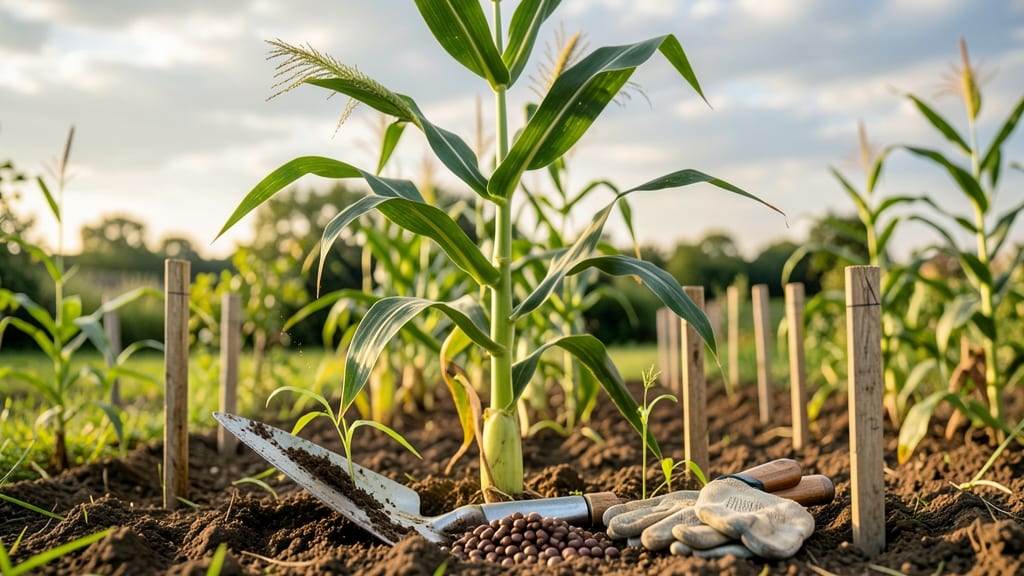
Planting corn in West Virginia at the wrong time can turn your dream harvest into a gamble with Mother Nature. With frost dates shifting from early April in the south to late May in the mountains, timing is everything for your 🌽 to thrive in USDA Zone 6a.
Most gardeners here wait until mid-April to early May, when soil temperatures finally hit that sweet spot of 60°F—but that window can shift by weeks depending on your county.
I’ve learned the hard way that planting too early risks frost damage, while waiting too long cuts your harvest short before fall’s first chill.
In this guide, I’ll break down exactly when to plant in your specific corner of the state, plus pro tips for adjusting to West Virginia’s unpredictable springs.
Whether you’re growing sweet corn for summer meals or dent corn for fall storage, getting the timing right means the difference between a bountiful harvest and a sad little patch of stunted plants.
Let’s dive into the frost-free timeline that’ll have your corn towering by summer—and your neighbors asking for your secrets.
West Virginia’s frost-free dates by county: the perfect corn planting window
Timing your corn planting in West Virginia requires precision—especially since the state spans USDA Hardiness Zones 5b to 7a, with frost-free dates varying by 3-4 weeks between northern and southern counties.
Corn thrives when planted 30-60 days before the first frost risk, but planting too early exposes tender seedlings to killing frosts, while waiting too long shortens the growing season. Let’s break down the ideal windows by county so you can maximize your harvest.
Southern counties like Cabell and Putnam typically enjoy frost-free seasons by mid-April, while mountainous regions like Pocahontas and Randolph often wait until late May. This variation means your planting window could shift from early April in the south to late May in the north.
To simplify, I’ve organized the data by county groups, including USDA zone correlations and soil temperature thresholds (corn needs 60°F+ soil to germinate reliably).
Here’s the critical data you need to plan your corn planting:
For example, if you’re in Cabell County (Zone 7a), aim to plant corn between April 15 and May 1 to ensure a full growing season before the first frost on October 15. In contrast, Pocahontas County (Zone 5b) gardeners should wait until May 15-30 to avoid frost damage.
Always double-check your local Almanac frost dates, as microclimates (like river valleys) can shift frost timelines by a week or more.
Corn also needs consistent soil temperatures above 60°F to germinate properly. Use a soil thermometer to confirm—planting too early in cold soil can lead to rotten seeds or stunted growth.
In cooler zones like Pocahontas, consider black plastic mulch to warm the soil faster and extend the season by 10-14 days.
Another critical factor is day length. Corn planted too late may not mature before shorter autumn days reduce photosynthesis.
In Zone 5b, stick to early-maturing varieties like ‘Early Sunglow’ (65 days) or ‘Silver Queen’ (70 days), while Zone 7a gardeners can afford slightly longer varieties like ‘Peaches and Cream’ (85 days). Always calculate your frost-free days and subtract the variety’s maturity time to avoid disappointment.
Pro tip: Plant succession crops every 2 weeks in southern counties to stagger harvests and maximize yield. In northern zones, limit yourself to 1-2 plantings due to the shorter window. For instance, a May 1 planting in Randolph County should yield ears by early September, while a
How to adjust corn planting for West Virginia’s microclimates and soil types
West Virginia’s dramatic elevation changes—from the Kanawha River Valley to the Allegheny Mountains—create microclimates that can shift corn planting windows by weeks. In Monongalia County, for example, cooler mountain air may delay planting until late May, while Cabell County gardeners can start as early as mid-April.
These differences aren’t just about timing; they also affect seed depth, spacing, and even soil prep to ensure strong germination.
Soil drainage is another critical factor. The shallow, rocky soils of Appalachian ridges drain too quickly for corn’s deep roots, while river valley flats often hold too much moisture, risking rot.
I’ve found that amending clay-heavy soils with composted manure or sand improves drainage, while raised beds work wonders in waterlogged areas. For mountainous regions, focus on well-draining loam mixed with organic matter to mimic the ideal growing conditions corn craves.
Here’s how to adjust your planting strategy based on your specific microclimate and soil type:
Mountainous Regions (e.g., Monongalia, Pocahontas)
- Cooler nights reduce pest pressure
- Longer growing season if planted late
- Less humidity = lower fungal risks
- Later planting dates (May-June)
- Poor soil drainage in rocky areas
- Shorter daylight slows growth
- Use early-maturing varieties (60-70 days)
- Plant 1.5 inches deep for better moisture retention
- Space rows 36 inches apart for airflow
River Valleys (e.g., Kanawha, Cabell)
- Warmer soil speeds germination
- Longer daylight boosts growth
- Rich alluvial soils retain moisture
- Higher humidity increases fungal diseases
- Earlier frost risk if planted late
- Poor drainage in clay soils
- Plant 1 inch deep in well-drained soil
- Space seeds 4-6 inches apart in rows 30 inches apart
- Use disease-resistant varieties like 'Silver Queen'
For soil testing, I recommend checking your pH—corn thrives in 6.0-7.0. If your soil is too acidic, add lime in fall or early spring. In sandy soils, mix in compost to improve water retention, while clay soils benefit from gypsum to break up compaction.
My secret weapon? A soil thermometer—corn seeds need soil temps of at least 60°F to germinate, and mountain soils can lag behind valley soils by weeks.
Finally, don’t overlook windbreaks. In exposed mountain areas, tall plants or corn stalks from previous years can shield young corn from drying winds. In river valleys, watch for late-season heat stress—mulch with straw to keep roots cool and moist.
With these adjustments, you’ll turn West Virginia’s tricky conditions into your corn’s advantage.
🌽