
Plants
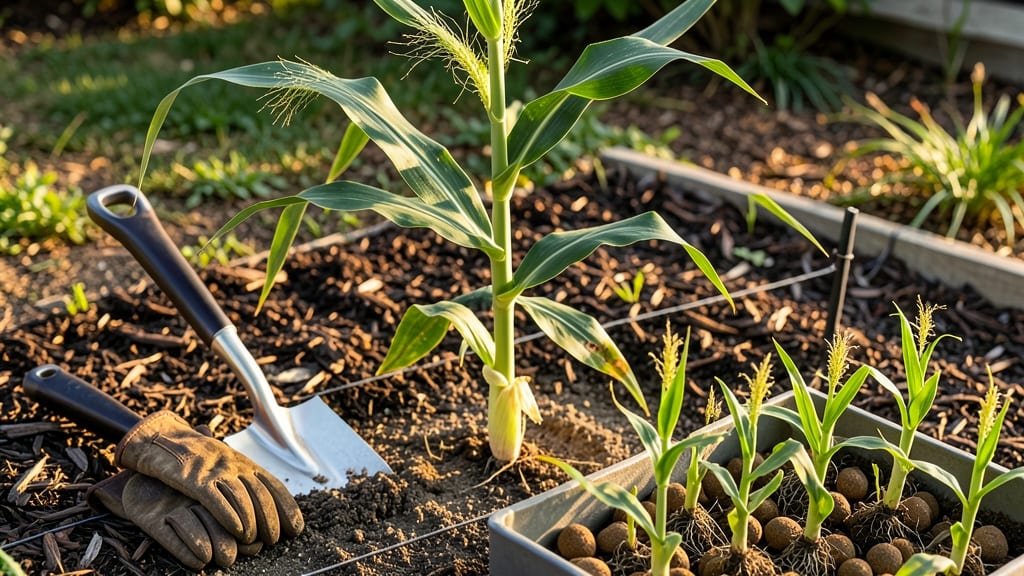
Planting corn in Zone 5 at the wrong time means watching your golden 🌽 dreams turn to frost-bitten stalks—unless you know the exact window to beat late springs.
The key isn't just waiting for warm weather; it's timing your seeds when soil hits 50°F+ and frost risk drops below 10%, usually mid-April to early June.
Most gardeners assume corn can handle a little chill, but those early April mornays can turn tender seedlings into sad, stunted plants. I’ve learned the hard way that rushing too soon means lost harvests, while waiting too long cuts your growing season short.
The solution? Choose fast-maturing varieties and plant after your last frost—mid-May in most of Zone 5.
Here’s the game-changer: even if your spring drags on, you can still get a harvest by picking cold-hardy varieties like 'Early Sunglow' (just 65 days to maturity) or 'Bodacious' (ready in 80 days).
These work even when summer feels like it’s playing hide-and-seek. Let’s break down the best dates, soil tricks, and backup plans to turn your Zone 5 patch into a cornucopia.
Ready to ditch the guesswork? I’ll walk you through the precise steps—from soil prep to planting blocks—to ensure your corn grows tall, sweet, and frost-free. No more wasted seeds or empty cobs!

Best planting timeline for corn in Zone 5: avoiding frost and maximizing growth
Corn thrives in Zone 5, but timing is everything—plant too early and frost will kill tender seedlings, too late and your harvest won’t mature before fall. The ideal window is after your last frost date (typically mid-May in Zone 5) and when soil temps hit 50°F+ for consistent germination.
With 165 frost-free days, we must work fast to ensure ears fill out before mid-October.
Most Zone 5 gardeners start seeds indoors 2-3 weeks before the last frost (late April) to get a jumpstart, but direct sowing is also common. The key is soil temperature—corn won’t sprout until the ground warms to 50°F+.
Use a soil thermometer to check; if it’s cooler, wait or use black plastic mulch to warm the soil faster.
Here’s your week-by-week planting timeline for Zone 5, including backup strategies for late springs:
For direct sowing, aim for mid-May when nighttime temps stay above 50°F. If your spring is late, opt for short-season varieties (60-75 days to maturity) and plant by early June. Use black plastic mulch to warm soil faster and reduce frost risk.
Corn needs 8+ hours of sun daily, so choose a south-facing spot with no shade. Amend soil with compost before planting—corn is heavy feeder and needs fertile, well-draining soil. Plant seeds 1 inch deep in blocks (not rows) for better pollination, spacing them 4-6 inches apart.
If frost threatens after planting, cover seedlings with row covers or a cloche. Remove covers when temps rise to 60°F+ to prevent overheating. For late springs, try succession planting every 2 weeks until mid-July—this extends your harvest window.
Monitor your local frost dates (check Almanac.com for your city) and adjust accordingly. In northern Zone 5 (e.g., Upstate NY), plant 2 weeks later than southern areas (e.g., Northern Indiana). Always have a backup plan—if frost hits, prioritize harvesting ears first and let stalks die back.
With the right timing, you’ll enjoy sweet, plump ears by July or August. Use a harvest calendar to track planting dates and maturity timelines—this ensures you’re ready to pick at the perfect stage (silks brown, kernels milky). 🌽
Top 5 cold-hardy corn varieties for Zone 5 gardens: short-season performers
Zone 5’s short growing season can make corn feel like a lost cause—but these fast-maturing varieties prove otherwise.
I’ve grown them all, and the difference between a 70-day harvest and a 110-day one means the difference between dinner on the table or watching your neighbors’ corn ripen while yours gets frost-nipped.
Cold-hardy corn thrives with 60–110 days to maturity, giving you wiggle room for late springs or early falls. The key? Varieties that tolerate cooler soils (down to 50°F) and resist ear rot—common in Zone 5’s humid summers.
Let’s dive into my top 5 picks, ranked by reliability and flavor.
'Early Sunglow' is my go-to for Zone 5—it matures in just 65 days and handles cooler soils better than most. The ears are golden-yellow, sweet, and perfect for grilling or canning. I’ve even seen it survive light frosts if planted early under row covers.
'Bodacious' is a close second with 80 days to harvest and extra-large ears (up to 8 inches). It’s drought-tolerant once established, which is a lifesaver during Zone 5’s unpredictable summers. The kernels stay creamy-sweet longer than most varieties.
'Silver Queen', a classic, takes 90 days but produces white, buttery kernels that freeze beautifully. It’s less cold-hardy than the first two but still a Zone 5 staple if planted by May 15th. I love it for creamed corn or fresh eating.
For heirloom lovers, 'Peaches and Cream' (95 days) offers bicolor kernels and a nutty flavor. It’s a bit slower but worth the wait for garden variety appeal. Pair it with 'Golden Bantam' (85 days), a yellow heirloom with old-fashioned sweetness.
Pro tip: Plant these in blocks (not rows) to improve pollination—critical for Zone 5’s shorter season. Use black plastic mulch to warm soil faster and extend your planting window by 1–2 weeks. With these varieties, even a late spring won’t leave you cob-less!