
Planting
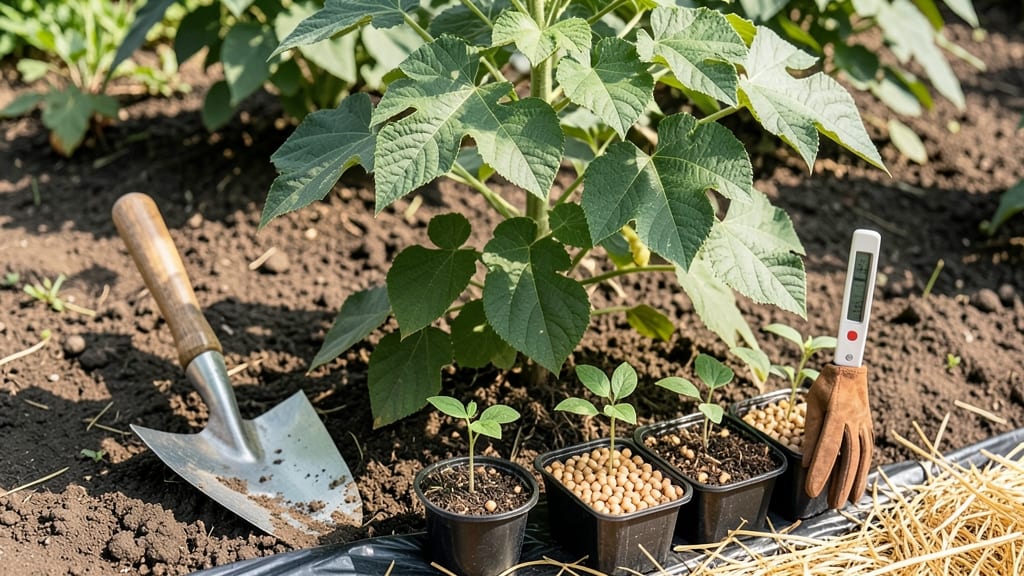
Planting cotton 🧵 in Texas isn’t just about dropping seeds in the dirt—it’s about catching that narrow window between frost risk and scorching summer heat. Get the timing wrong, and you’re either staring at frozen seedlings or wilting plants before they even bloom.
The good news? With Texas’ varied climate zones, there’s a perfect planting schedule for every corner of the state—if you know where to look.
Whether you’re in the cooler High Plains or the balmy Gulf Coast, the right moment to plant cotton depends on more than just calendar dates. We’re talking soil temperatures, last-frost averages, and even the type of cotton you’re growing.
Skip these details, and you might end up with a crop that’s either stunted by cold snaps or struggling under early summer droughts.
In this guide, I’ll break down the exact planting windows for Central and North Texas (think April-May) versus South Texas (March-April), plus how to adjust for those unpredictable Texas weather swings.
You’ll also discover which cotton varieties thrive in each region and how to give your plants the best shot at surviving until harvest season.
Ready to avoid the common mistakes that waste time and money? Let’s dive into the science—and the secrets—of planting cotton 🧵 the right way in Texas.
Texas cotton planting deadlines by region: Panhandle to Gulf Coast
Texas cotton farmers face a critical challenge: planting too early risks frost damage, while delaying too long reduces yields in the state's intense summer heat. With five distinct growing regions, each with unique frost patterns, knowing your last frost dates and soil temperature thresholds is essential for success.
From the High Plains' cold snaps to the Gulf Coast's mild winters, these planting windows reflect decades of local data.
For optimal cotton growth, seeds require soil temperatures above 65°F and frost-free conditions. In Texas, this means waiting until mid-April in the Panhandle but potentially planting as early as mid-March in South Texas.
The difference between these regions can mean the difference between a failed crop and a high-yield harvest.
Historical frost data shows that North Texas typically sees its last frost between February 15 and March 15, while the Gulf Coast rarely experiences frost after January 15. These patterns help determine when to plant early-maturing varieties versus long-season types, ensuring your cotton has enough time to mature before fall's first frost.
| Region | Last Frost Date | Optimal Planting Window | Soil Temp Threshold | Key Varieties |
|---|---|---|---|---|
| High Plains (Lubbock, Amarillo) | Feb 15 - Mar 15 | Mid-April to early May | 65°F+ consistently | STV 474, FM 966 |
| Rolling Plains (Abilene, San Angelo) | Feb 20 - Mar 10 | Late March to mid-April | 60°F+ minimum | FM 989, PHY 375 |
| Blackland Prairie (Dallas, Waco) | Mar 1 - Mar 15 | Early April to late April | 62°F+ minimum | FM 1877, DPL 105 |
| Cross Timbers (Austin, Temple) | Feb 28 - Mar 10 | Mid-March to early April | 60°F+ minimum | FM 966, STV 474 |
| Gulf Coast (Houston, Beaumont) | Jan 15 - Feb 15 | Mid-February to March | 58°F+ minimum | FM 989, FM 1877 |
In the High Plains, where late frosts are common until mid-March, planting should begin no earlier than mid-April.
This region benefits from early-maturing varieties like STV 474, which can complete its growth cycle before fall's first frost in November. Soil temperature checks are critical here—wait until readings consistently hit 65°F before sowing.
The Rolling Plains offers a slightly earlier window, with late March to mid-April being ideal. This region's warmer soils allow for slightly earlier planting than the High Plains, but drought conditions often require drip irrigation to maintain moisture. Varieties like FM 989 thrive here with proper water management.
For Central Texas regions like the Blackland Prairie and Cross Timbers, planting can begin as early as mid-March, with peak windows in April.
How to adjust cotton planting dates for Texas weather extremes
Texas weather is famously unpredictable—one week you’re battling early freezes, the next you’re dealing with 100-degree heat waves. For cotton growers, this means your planting window can shift dramatically from year to year.
The key is flexibility: knowing how to adjust based on soil temperatures, frost forecasts, and even rainfall patterns.
While the general rule is to plant cotton after the last frost (typically April-May for North/Central Texas and March-April for South Texas), real-world conditions often demand tweaks. For example, a late frost in March 2023 in the Panhandle forced many farmers to delay planting by 3-4 weeks.
Meanwhile, in South Texas, early heat can push planting dates forward if soil warms quickly.
Here’s how to stay ahead of Texas’ whims—whether you’re dealing with unseasonable cold, drought stress, or sudden downpours. These strategies will help you avoid common pitfalls like seedling die-off or reduced yields from heat stress.
⚠️ Texas Cotton Planting Warning: Don’t Guess—Check Soil Temps!
Cotton seeds won’t sprout until soil reaches 65°F (18°C). Use a soil thermometer to confirm readiness—especially in North Texas, where March soils can still be 50°F (10°C) after a cold snap. Planting too early in cool soil leads to rotten seeds or stunted seedlings.
Pro Tip: If soil temps are below 60°F (15°C), wait 1-2 weeks or use black plastic mulch to warm the soil faster. In South Texas, where heat arrives early, you might plant 2 weeks sooner than the average date if soil is already warm.
For regions prone to late frosts (like the High Plains or Rolling Plains), consider hardening seedlings 7-10 days before transplanting. Move young plants outdoors during the day and bring them back at night to acclimate them to temperature swings. This toughens stems and leaves, reducing frost damage risk.
If a heat wave hits early (common in South Texas), shift to shorter-season varieties like ‘FM 966’ or ‘STV 474’, which mature in 120-130 days instead of the typical 150+ days.
These varieties avoid the worst of summer’s 100°F+ temperatures, which can cause boll rot or premature leaf drop.
Drought is another Texas wildcard. In West Texas, where rainfall is scarce, use drip irrigation to deliver 1-2 inches of water per week directly to roots.
For backup planting dates, South Texas growers often have a second window in June if early crops fail, while North Texas may rely on greenhouse starts for late adjustments.
By combining soil checks, seedling hardening, and variety selection, you can turn Texas’ weather chaos into a predictable advantage. The goal? Healthy plants that thrive despite the heat, cold, or dry spells.
With these adjustments, your cotton crop will be resilient—no matter what Mother Nature throws your way. 🌱