
Plants
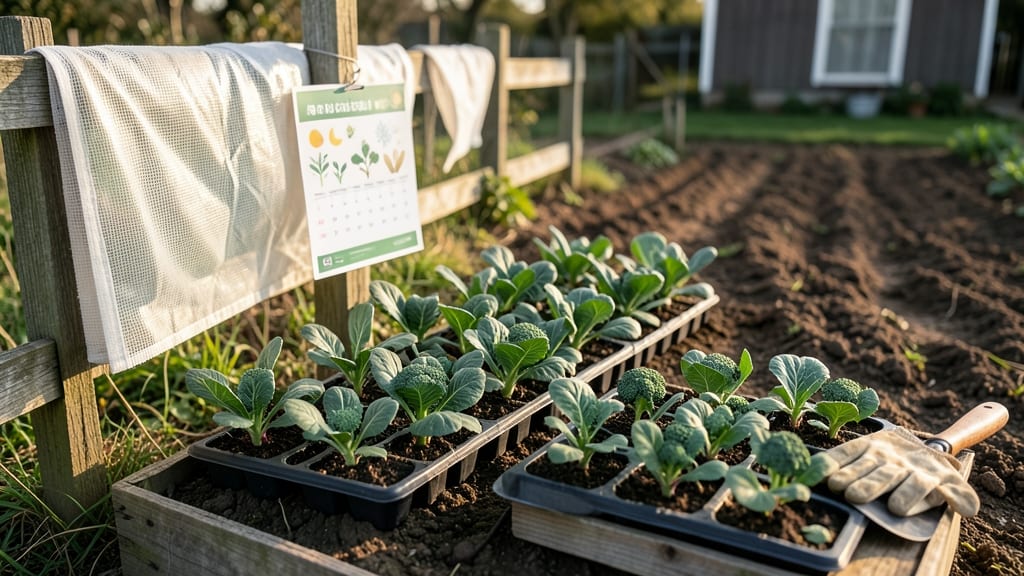
Planting fall crops in Zone 6 at the wrong time means watching your hard work vanish overnight—literally.
The difference between a thriving harvest and a frost-killed garden often comes down to just a few weeks, and knowing the exact window can mean the difference between a pantry full of fresh veggies and empty shelves.
For gardeners in Zone 6, where the first frost typically arrives between mid-October and late September, timing is everything. Whether you're growing crisp lettuce 🌾, hearty kale, or sweet carrots, planting too early risks bolting, while waiting too long means your crops won’t mature before the cold sets in.
The key is to start sowing in late summer—think August—and keep going into early September—to ensure your plants have enough time to thrive before winter arrives.
But how do you know exactly when to plant each crop? Some, like broccoli and Brussels sprouts, need a longer growing season, while others, such as radishes and spinach, mature quickly.
I’ll break down the best planting schedule for your Zone 6 garden, so you can enjoy a bountiful fall harvest without the guesswork.
Ready to maximize your garden’s potential? Let’s dive into the best weeks to plant for each fall crop, plus tips to adjust for your local microclimate and extend your harvest even longer.

Fall planting timeline for Zone 6: exact weeks before first frost by crop type
In Zone 6, the difference between a bountiful fall harvest and a wasted effort often comes down to timing. With average first frost dates between mid-September and mid-October, you have a narrow window to plant cool-season crops.
Start too early, and your greens will bolt; wait too long, and frost will nip tender seedlings. The key is understanding exact weeks before frost for each crop category.
Most cool-season vegetables thrive when planted 4-6 weeks before frost. For example, leafy greens like spinach and kale can handle light frosts, while root crops like carrots and beets need consistent warmth to mature.
Herbs like cilantro and parsley also fit perfectly into this schedule, offering fresh flavors well into winter.
Below is your fall planting timeline, organized by crop type and weeks before first frost. Use this as your guide to maximize yields and avoid common mistakes like overcrowding or poor soil prep.
For leafy greens, aim to plant 6-8 weeks before frost. This gives them enough time to establish roots and grow before temperatures drop. Varieties like spinach and kale actually taste sweeter after a light frost, making them perfect for late-season harvests.
If you're growing brassicas like broccoli or cabbage, start them 5-7 weeks before frost. These crops need consistent warmth to form heads, so avoid planting too late. For root crops, give them the longest window—8-10 weeks—since they take longer to mature.
Carrots and beets planted in early September will be ready for harvest just before frost.
Herbs like cilantro and parsley are surprisingly hardy and can be sown as late as 4-6 weeks before frost. They thrive in cooler weather and add fresh flavor to fall dishes. Just be sure to mulch heavily to protect them from early cold snaps.
Pro tip: Use row covers or cold frames to extend your harvest window by 2-3 weeks. This is especially useful for leafy greens and herbs, which can tolerate light frosts. Just remove covers during the day to prevent overheating.
Remember, soil temperature matters just as much as air temperature. Most cool-season crops prefer soil temps between 45°F and 75°F. If your soil is still warm in early September, wait a few days before planting to avoid stressing seedlings.
Finally, always check your local frost dates—they can vary by 1-2 weeks depending on your exact location within Zone 6. Use a frost calculator or consult your local Cooperative Extension Service for precise timing tailored to your area.
How to adjust planting dates based on your Zone 6 microclimate and frost risks
Your Zone 6 garden might share the same USDA classification, but your exact microclimate can shift planting windows by 1-2 weeks. Urban heat islands, elevation changes, and even nearby water bodies create local variations that average frost dates can’t account for.
For example, a city garden might stay 5°F warmer than a rural area just 10 miles away, giving you an extra week to plant.
Historical frost data from your county extension office is your best starting point, but real-world adjustments depend on three key factors: elevation, urban heat effects, and local topography.
A hilltop garden in western Pennsylvania might experience frost 2 weeks earlier than a valley garden in Virginia, even though both are Zone 6. These microclimate tweaks can mean the difference between a bolted radish crop and a crisp fall harvest.
⚠️ callout-warning
Never rely solely on average frost dates! A single cold snap can arrive 2 weeks early—especially in Zone 6b. For example, if your area’s last frost is October 15, planting spinach 4 weeks before (September 15) might seem safe, but a September 20 frost could kill seedlings. Always use a soil thermometer to confirm 50°F soil temps before planting cold-hardy crops like kale or carrots.
💡 Pro Tip: Check your local frost-free date calculator (like the Old Farmer’s Almanac or NOAA maps) and adjust by 1 week earlier if your area has a history of early frosts.
To fine-tune your schedule, start with a soil thermometer—most fall crops need soil temps between 40°F and 70°F to germinate properly. For example, lettuce seeds won’t sprout below 45°F, while broccoli thrives in 50°F–60°F soil.
If your thermometer reads below 50°F in early August, wait until late August to plant heat-sensitive crops like spinach or peas.
Urban gardeners should also account for the "heat island effect", where pavement and buildings trap warmth. This can delay frost by 1–2 weeks in cities like Philadelphia or Chicago.
However, it also means summer heat lingers longer, so succession plant fast-maturing crops like radishes (30 days) or bush beans (50 days) every 2 weeks to avoid bolting.
For elevation adjustments, add 1 day of growing time per 100 feet above sea level. A garden at 2,000 feet in the Appalachians may need to plant 10 days earlier than a coastal Zone 6 garden.
Conversely, valleys often frost later due to cold air settling, giving you a 2-week extension for late plantings like Brussels sprouts.
Use these adjustments to create a customized planting calendar. For instance, if your area’s first frost is October 10 but you’re in a heat island, shift your kale planting to September 1 instead of August 15.
Pair this with a row cover to push your harvest into November. With these microclimate tweaks, you’ll turn Zone 6’s short growing season into a prolonged fall feast.