
Vegetables
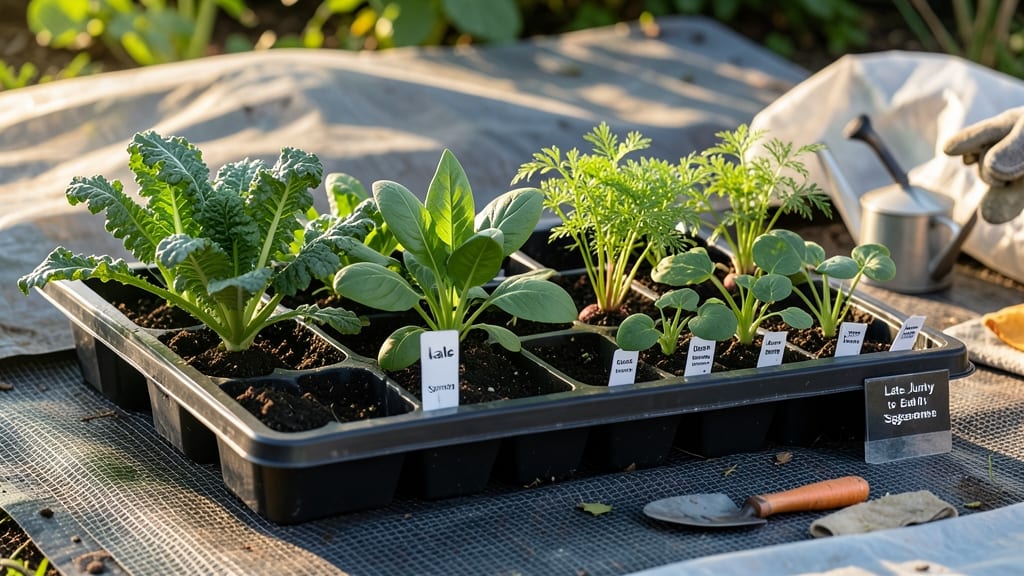
Planting fall vegetables in Ohio isn’t just about timing—it’s about beating the frost while giving your crops enough time to thrive. One wrong move, and you’ll either watch your seedlings freeze or rush through a harvest before winter sets in.
The key is knowing exactly when to start seeds and when to transplant, depending on where you live in the state.
Ohio’s climate varies dramatically from the chilly Northeast to the milder Southwest, meaning your neighbors might be harvesting kale while you’re still waiting for spinach to sprout.
I’ve broken down the best planting windows for your specific county, so you can avoid the guesswork and enjoy a zero-frost harvest of fresh, homegrown veggies.
Whether you’re growing hardy greens like kale or delicate broccoli, the right timing ensures your garden delivers. Let’s dive into the county-specific dates that will help you plan like a pro—no more wasted seeds or missed harvests. Ready to transform your fall garden?
From adjusting for early frosts to choosing the right varieties, I’ll walk you through every step. By the end, you’ll know exactly when to plant for a bountiful fall harvest, no matter which part of Ohio you call home.
Ohio’s fall planting zones: when to start seeds vs. transplant vegetables
Ohio’s USDA Hardiness Zones 5-6 create unique challenges for fall gardening. The key is understanding your last frost dates, which vary dramatically between Northeast Ohio (like Ashtabula County) and Southwest Ohio (like Butler County).
In Zone 5, your last frost might hit October 15, while Zone 6 areas often see frost-free growing until November 1. This 4-week difference means your planting windows must shift accordingly.
For cool-season vegetables like kale, spinach, carrots, and broccoli, timing is everything. Plant too early, and you’ll waste seeds on plants that bolt before frost. Too late, and your harvest won’t mature before winter sets in.
The solution? Start with transplants for heat-sensitive crops (like lettuce) and direct-sow seeds for hardy varieties (like radishes) at precise intervals.
Here’s the golden rule: Calculate your frost-free days by subtracting your average first frost date from today. Most fall crops need 30-60 days to maturity, so work backward from your frost date.
For example, if your first frost is October 20, plant broccoli transplants by September 10 for a harvest before winter.
Ohio’s microclimates add another layer of complexity. Urban areas like Columbus can run 5-10°F warmer than rural Appalachian regions, extending your growing season. Lake-effect cooling near Lake Erie might push frost dates earlier, while southern Ohio’s river valleys often stay warmer longer.
Always check local NOAA frost charts before finalizing your schedule.
Direct sowing vs. transplanting is another critical decision. Leafy greens (spinach, lettuce) and root crops (carrots, beets) thrive from direct-sown seeds, which germinate faster in cool soil. Meanwhile, transplants of broccoli, cabbage, and kale give you a 2-3 week head start and stronger roots for early harvests. I recommend buying 6-packs of transplants from local nurseries in late July for a September planting.
Succession planting is your secret weapon for a continuous harvest. For example, sow radishes every 2 weeks from mid-August to early September—they mature in just 25 days and tolerate light frosts. Similarly, spinach and kale can handle light freezes and even taste sweeter after frost, making them perfect for late-September sowings.
| Planting Method | Best Crops | Zone 5 Planting Window | Zone 6 Planting Window | Key Notes |
|---|---|---|---|---|
| Direct Sow Seeds | Radishes, Spinach, Lettuce, Carrots, Beets | Aug 15–Sep 15 | Aug 1–Sep 20 | Fast germination; no transplant shock |
| Transplant Seedlings | Broccoli, Kale, Cabbage, Brussels Sprouts | Jul 20–Aug 20 | Jul 15–Aug 25 | Head start; stronger roots |
| Succession Plant | Radishes, Lettuce, Arugula | Every 2 weeks until Sep 1 | Every 2 weeks until Sep 15 | Continuous harvest; avoid bolting |
| Late-Season Extenders | Spinach, Kale, Swiss Chard | Sep 1–Sep 30 | Sep 1–Oct 10 | Tolerate light frost; sweeter after chill |
Adjust your schedule if your summer was unusually hot or cold. A drought-stressed soil in July might delay planting, while a cool summer could push your frost date earlier.
Always monitor soil temperatures—most fall seeds need soil at 50–60°F to germinate. Use a soil thermometer to avoid wasted seeds.
For Northeast Ohio, aim to finish planting by September 1 for most crops. In South
Best fall vegetables for Ohio gardens & their ideal planting windows
Ohio’s fall garden thrives when you plant the right vegetables at the right time. The top 12 fall crops for Ohio balance hardiness, yield, and ease of growth, ensuring a bountiful harvest before winter sets in.
Whether you’re a beginner or seasoned gardener, these varieties are proven winners in Ohio’s USDA Zones 5-6.
Timing is critical—some crops like Swiss chard can handle early planting in late July, while delicate radishes need to go in by early September. I’ve ranked these vegetables by their ability to thrive in Ohio’s soil and climate, along with their ideal planting windows to maximize your fall harvest.
⚠️ CRITICAL: Ohio’s first frost typically arrives between mid-October (Northeast) and early November (Southwest). Plan accordingly to avoid losing your hard work to frost.