
Flowers
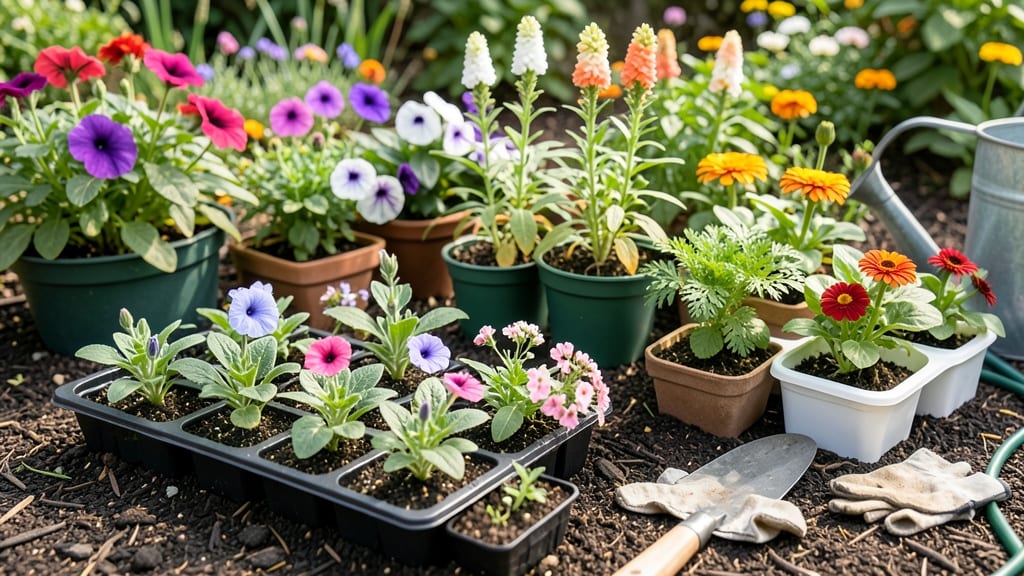
Portland flower planting calendar: coastal vs inland start dates compared
Portland’s unique geography creates two distinct gardening zones: the coastal area with its famous fog and mild winters, and the inland region where summer heat arrives earlier.
These differences mean your planting schedule should shift based on location—coastal gardens can start earlier, while inland zones need to wait for warmer soil. Understanding these microclimates is key to avoiding frost damage or heat stress in your flowers.
The average last frost date for Portland’s coastal areas is around March 15, while inland regions often see their last frost 2-3 weeks later, closer to April 1.
This delay affects everything from seed starting to transplanting tender annuals. Perennials, however, can handle these variations better if planted at the right time of year.
For annual flowers, the best planting window is April through May for both zones, but coastal gardeners can safely start pansies and snapdragons as early as late February.
Inland gardeners should wait until mid-April to avoid late frosts. Perennials like lavender and black-eyed Susans thrive when planted in early fall (September-October) to establish roots before winter.
Here’s how to adjust your planting schedule based on Portland’s microclimates:
Coastal gardeners should prioritize moisture-loving flowers like impatiens and astilbe, which thrive in the damp, foggy conditions. These varieties can handle the cooler, wetter springs without struggling. In contrast, inland areas benefit from heat-tolerant annuals like lantana and salvia, which can withstand the drier, hotter summers that arrive earlier in these zones.
One of my favorite coastal-friendly flowers is sweet peas, which can be sown as early as late February in coastal Portland. Their vining habit makes them perfect for trellises, and they bloom prolifically in the mild coastal climate.
For inland gardens, zinnias are a top pick—they handle heat well and provide long-lasting blooms from summer through early fall.
If you’re unsure whether your garden leans more coastal or inland, consider these three key indicators: 1. Fog frequency – If you see fog 3+ days a week, you’re likely in the coastal zone.
- Summer heat – If temperatures regularly exceed 90°F, you’re inland.
- Soil dryness – Inland soils dry out faster, while coastal soils stay moister longer.
For perennials, timing is everything.
Planting in early fall (September-October) gives roots time to establish before winter. Lavender, for example, thrives in both zones but needs well-draining soil—a must for inland gardens where summer drought is common. Coneflowers are another great perennial choice, offering low-maintenance blooms that attract pollinators.
Pro tip: Use row covers for early spring plantings in inland areas to protect young plants from late frosts. Coastal gardeners can skip this step since frosts are rare after mid-March.
Always check soil temperatures—aim for at least 60°F before planting heat-sensitive annuals like tomatoes or peppers (even though they’re not flowers, they share the same timing rules).
Remember, Portland’s USDA Zone 8a means we’re lucky enough to grow a wide variety of flowers, but microclimates still play a huge role. By adjusting your planting schedule just 2-3 weeks based on whether you’re coastal or inland, you’ll
How to adjust planting times for Portland’s unpredictable weather patterns
Portland’s microclimates create unique challenges for gardeners. While coastal areas near the Willamette River stay cooler and wetter, inland zones like Hillsboro or Beaverton can experience heatwaves in summer and earlier frosts. These differences mean your planting window could vary by 2-3 weeks depending on location.
To maximize success, I always check the USDA Zone 8a-9a guidelines but adjust based on real-time conditions. For example, coastal Portland might safely plant annuals like pansies in early March, while inland areas should wait until mid-April to avoid late frost damage.
The key is flexibility—being ready to cover plants or delay planting when forecasts show unusual weather.
⚠️ callout-warning ⚠️
Don’t let a 60°F week in February fool you—cooler air can return with frost by March 15. I’ve seen tender seedlings (like marigolds) wiped out overnight after a 50°F drop. Always monitor soil temperatures (use a soil thermometer) and protect young plants with frost cloth.
Pro Tip: Plant cold-hardy annuals (e.g., snapdragons, sweet peas) in early spring or late summer to avoid frost risks.
One of my favorite tricks is extending the season by using seasonal layering. For example, I plant cool-season flowers like calendula in September-October so they bloom through winter, then switch to heat-loving zinnias in May-June.
This creates continuous color without gaps. Just be sure to choose varieties that match your microclimate’s last frost date—coastal areas can handle hardier perennials like hollyhocks, while inland gardens thrive with drought-tolerant lavender.
For young plants, I never rush—even if the nursery says it’s safe. Instead, I use row covers or cold frames to harden off seedlings for 7-10 days before transplanting. This mimics Portland’s unpredictable temperature swings and gives roots a fighting chance.
I also avoid planting heat-sensitive flowers (like geraniums) until after Memorial Day, when soil temperatures consistently stay above 55°F.
Monitoring your microclimate is easier than you think. Start by noting where frost forms first in your yard—usually low spots or near water features. Then, use a freeze prediction app (like Farmer’s Almanac) to track frost alerts.
I also keep a gardening journal to log when specific flowers thrive or fail in my zone. For example, my coastal garden handles foxglove planted in early April, but my neighbor’s inland plot waits until mid-May.
Finally, choose cold-hardy varieties that align with Portland’s Zone 8a-9a range. My top picks include black-eyed Susans (perennial, Zone 3-9), bearded iris (Zone 3-10), and Russian sage (Zone 4-9).
These plants bounce back from light frosts and even drought spells, making them low-maintenance stars in my garden. Pair them with seasonal mulch (like straw) to regulate soil temperature and retain moisture during Portland’s dry summers.