
Plants
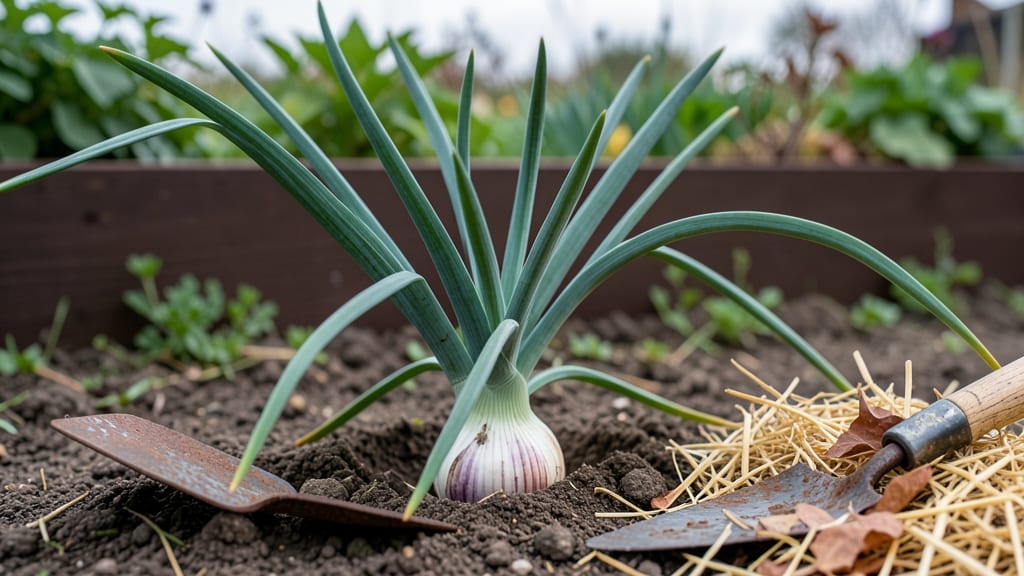
Planting garlic bulbs in Zone 5 at the wrong time can turn your 🧄 harvest into a disappointment—too early, and you risk weak roots; too late, and frost steals your potential.
The key lies in those 4-6 weeks before the ground freezes, when soil temps dip but danger still lurks.
Most gardeners in Zone 5 miss the window because they focus on calendar months instead of frost dates. But here’s the game-changer: aim for mid-October to early November, when daytime highs hover around 50°F—just enough warmth for roots to establish before winter sets in.
This isn’t just about timing—it’s about setting your garlic up for a bold, flavorful harvest next summer. I’ll walk you through exactly how to prep your soil, choose the right varieties, and avoid the 3 biggest mistakes that ruin Zone 5 garlic every year.
Ready to grow garlic that rivals the grocery store? Let’s get those cloves in the ground the right way—once you master this, you’ll never second-guess your planting schedule again.

Zone 5 garlic planting timeline: exact weeks before last frost for maximum yield
Timing your garlic planting in Zone 5 is a science—plant too early, and your bulbs bolt; too late, and winter kills them before roots establish. The sweet spot? 6 to 8 weeks before your last expected frost, when soil temps hover between 40°F and 50°F.
This window ensures garlic develops a robust root system before winter dormancy, setting the stage for bold, flavorful bulbs next summer.
In most of Zone 5, that translates to planting between mid-October and early November. However, regional variations matter—gardeners in northern Zone 5 (like Chicago) should aim for early October, while those in southern Zone 5 (like St. Louis) can wait until late October.
Always check your local frost dates for precision.
Here’s the golden rule: garlic needs 4-6 weeks of root growth before the ground freezes. If planted too late, roots won’t harden enough to survive winter, leading to small, weak bulbs—or no harvest at all.
Soil temperature is your best guide: use a soil thermometer to confirm temps are consistently below 50°F before winter sets in.
| Planting Window | Soil Temp Threshold | Moon Phase | Zone 5 Regions |
|---|---|---|---|
| Mid-October | 50°F - 60°F | Waning gibbous | Northern Zone 5 (e.g., Chicago) |
| Late October | 40°F - 50°F | Full moon | Central Zone 5 (e.g., Kansas City) |
| Early November | 35°F - 45°F | Waning crescent | Southern Zone 5 (e.g., St. Louis) |
| Last-Minute Backup | Above freezing | Any (but roots grow slower) | All regions (if frost is delayed) |
Did you know moon phases can influence garlic success? Planting during a waning gibbous or full moon encourages root development, while a waxing moon may lead to faster top growth at the expense of bulb size.
I’ve found that hardneck varieties (like ‘German White’) thrive best when planted under a waning moon, while softneck types (like ‘Artichoke’) are more forgiving.
Pro tip: Pre-chill your garlic bulbs for 4-6 weeks before planting. Store them in a cool, dark place (32°F–40°F) to mimic winter conditions. This trick jumpstarts root growth, giving your garlic a 2-3 week head start once planted.
I pre-chill mine in my garage fridge for 30 days before the first frost date.
Soil prep is just as critical as timing. Garlic craves well-draining, loamy soil with a pH of 6.0–7.0. Amend your bed with compost or aged manure 2–3 weeks before planting to boost nutrient availability.
Avoid fresh manure—it can burn roots and attract pests. I mix in 1–2 inches of compost and a handful of bone meal for phosphorus, which strengthens root systems.
Depth and spacing matter too. Plant cloves 2 inches deep, pointy end up, with 4–6 inches between cloves and 12 inches between rows. This spacing prevents disease spread and ensures each bulb gets enough nutrients.
I use a hand trowel to dig individual holes—it’s slower but gives me precision, especially in rocky soil.
After planting, mulch heavily with straw or leaves (4–6 inches) to insulate bulbs through winter. This layer protects against temperature swings and soil heaving. I top-dress with straw in late November, just before the ground freezes. Skip synthetic mulches—they can smother plants and trap excess moisture.
Finally, resist the urge to fertilize in fall. Garlic relies on stored nutrients from the bulb during winter. Wait until early spring (when shoots emerge) to apply a light nitrogen feed.
Over-fertilizing now can lead to foliar diseases or bolting. My rule: less is more—a handful of compost tea in spring is all garlic needs.
How to choose between hardneck vs softneck garlic for Zone 5 climates
Zone 5 gardeners face a critical choice when selecting garlic varieties: hardneck vs softneck. The difference isn't just about flavor—it's about survival through unpredictable winters. Hardneck varieties thrive in colder climates, producing scape shoots that signal harvest time, while softnecks store longer but need milder winters.
For Zone 5's 20-30°F winters, hardnecks are your best bet for reliable harvests.
I've grown both types in my Zone 5 garden, and hardnecks consistently outperform softnecks in my experience. The key difference lies in their cold hardiness and planting depth requirements. Hardnecks need 4-6 inches of soil coverage to protect their hardneck stems, while softnecks prefer 2-3 inches.
This makes hardnecks more resilient to Zone 5's freeze-thaw cycles.
- Cold hardy to -20°F
- Bold flavor with hardneck stems
- Earlier harvest (July)
- Shorter storage life (5-6 months)
- Requires 4-6" planting depth
- Longer storage (12+ months)
- Milder flavor, braiding-friendly
- Shallower planting (2-3")
- Struggles below 10°F
- Later harvest (August-Sept)
My top-performing hardneck varieties for Zone 5 include German Red and Music, both of which produce large bulbs with intense flavor. For softnecks, Silverskin and Artichoke handle milder winters better but may struggle if temperatures drop below 10°F for extended periods.
The trade-off? Hardnecks give you earlier harvests in July, while softnecks store through winter.
When deciding, consider your primary use. Need garlic for early summer cooking? Choose hardnecks. Planning to store through winter? Opt for softnecks. I recommend trying both—my garden includes 60% hardnecks and 40% softnecks for year-round freshness. The hardneck scapes are a bonus for pesto lovers!
Pro tip: Amend your soil with compost before planting—garlic hates soggy conditions. In Zone 5, aim for well-draining soil with a pH of 6.0-7.0. I add a 2-inch layer of mulch after planting to insulate bulbs through winter. This simple step has doubled my harvest success over the years.
Remember, Zone 5's unpredictable winters demand variety diversity. Plant hardnecks first—they establish roots faster before ground freezes. Save softnecks for late November if your soil stays workable. With the right choice, you'll enjoy bold, homegrown garlic from July through next spring.