
Plants
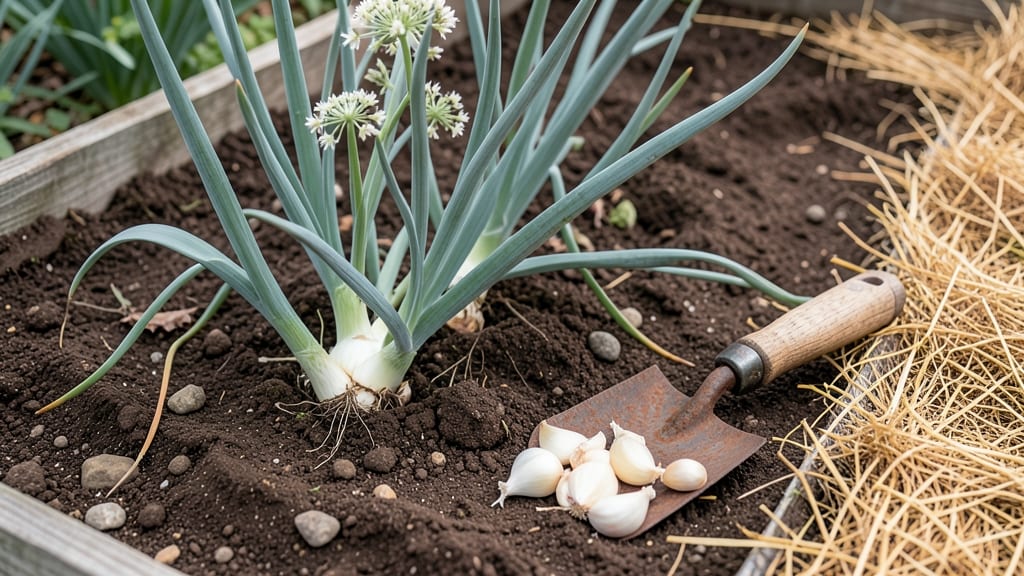
Planting garlic in Rhode Island at the right time is the secret to harvesting those bold, flavorful bulbs 🧄 that taste like summer itself.
If you’ve ever wondered why some gardeners get perfect harvests while others struggle, the answer lies in timing—specifically, getting those cloves in the ground 4-6 weeks before the first frost.
Rhode Island’s USDA Zone 6a climate means you’ve got a narrow window—typically between late October and early November—to plant garlic for a late June or July harvest.
Too early, and your cloves might sprout before winter sets in; too late, and they won’t have enough time to root before the ground freezes. Getting it just right ensures your garlic develops strong, hardy bulbs that thrive through the cold months.
I’ve learned the hard way that skipping this step can mean smaller harvests or even failed crops. But don’t worry—this guide will walk you through the exact timeline, soil prep, and variety choices that work best in Rhode Island.
Whether you’re a first-time gardener or a seasoned green thumb, these tips will help you plant garlic like a pro and enjoy homegrown flavor all summer long.
Let’s dive into the best planting schedule, the top cold-hardy varieties for your zone, and the simple steps to set your garlic up for success.
By the end, you’ll know exactly when to plant and how to give your garlic the best shot at becoming the star of your kitchen garden.
Best planting timeline for Rhode Island garlic: frost dates & hardiness zones
Rhode Island’s USDA Zones 6a-7a create ideal conditions for growing hardneck and softneck garlic, but timing is everything. The optimal planting window spans from late September to early November, allowing cloves to establish roots before winter dormancy.
This timing ensures robust bulb development by your late June harvest when days warm up.
Your first frost date (around October 31) and last frost date (typically April 15) are critical benchmarks. Planting 4-6 weeks before the ground freezes gives garlic enough time to root deeply while protecting it from winter’s harshest cold.
In Rhode Island, this means mid-October is the sweet spot for most gardeners.
Here’s how to use frost dates to your advantage: Plant too early (like August), and garlic may bolt prematurely before winter. Plant too late (December), and cloves won’t root deeply enough to survive winter’s freeze-thaw cycles. The 6-week window before frost strikes the perfect balance for Rhode Island’s climate.
For Rhode Island gardeners, the 6-week window before the ground freezes (typically mid-October) is non-negotiable. If you miss this window, you can try spring planting (March), but bulbs will be smaller and less flavorful.
The key is to plant when soil temperatures drop below 70°F but before the ground hardens.
Pro tip: Use hardneck varieties like 'German White' or 'Music' for Rhode Island—they thrive in cold winters and produce larger cloves. Softneck varieties (like 'Artichoke') can also work but require longer growing seasons. Always choose plump, disease-free cloves from reputable suppliers for the best start.
Don’t let Rhode Island’s coastal microclimates fool you—even inland areas experience sharp temperature swings. Monitor your local frost forecast and adjust planting dates accordingly. A late October planting might work in Zone 7a (like southern RI), while Zone 6a (northern RI) may need to plant by mid-October.
After planting, mulch heavily with straw or leaves to insulate bulbs during winter. This 4-6" layer prevents heaving and ensures consistent growth. Remove mulch in early spring (March) to allow soil to warm and encourage shoot growth.
Water deeply but infrequently—once every 2-3 weeks—once established to avoid fungal diseases common in Rhode Island’s damp climate.
Timing your garlic planting correctly in Rhode Island isn’t just about avoiding frost—it’s about maximizing bulb development during the 180-240 day growing cycle. Plant too late, and you’ll sacrifice size and flavor.
Plant too early, and you risk premature bolting. Strike that balance, and you’ll harvest plump, flavorful garlic bulbs that put store-bought to shame.
🧄
Top cold-hardy garlic varieties that thrive in Rhode Island winters
Choosing the right garlic varieties for Rhode Island’s Zone 6a winters is key to avoiding frost damage and maximizing your harvest. The best types here are hardneck varieties, which handle cold snaps better than softnecks.
I’ve grown these top performers in my own garden and can confidently recommend them for their bold flavor and large bulb size.
For Rhode Island gardeners, German White and Music are standout choices. Both varieties thrive in our chilly, wet winters while delivering exceptional taste. Silverskin garlic is another excellent option, especially for those who prefer milder flavors but still want reliable yields.
Let’s compare these top three varieties to help you pick the perfect fit for your garden.
Variety Performance Ratings
German White garlic is my top recommendation for Rhode Island gardens. This variety excels in our cold winters and produces large, flavorful bulbs with 8-12 cloves each. The flavor is robust and slightly sweet, perfect for roasting or sautéing. It’s also highly resistant to mold and rot, which is crucial during our damp springs.
Music garlic is another favorite, known for its exceptional cold tolerance and consistent yields. It produces medium-sized bulbs with a spicy, pungent flavor that’s ideal for cooking. This variety handles Rhode Island’s variable frost patterns exceptionally well, making it a reliable choice for beginners and experienced gardeners alike.
Silverskin garlic is perfect if you prefer a milder taste but still want a hardy variety. It thrives in Rhode Island’s climate and produces smaller bulbs with a gentler flavor, making it great for everyday cooking. While it’s not as cold-hardy as German White or Music, it still performs well in our Zone 6a winters with proper mulching.
When selecting varieties, prioritize hardneck types for Rhode Island. These varieties store better over winter and produce scape shoots that you can harvest for extra flavor.
I always plant a mix of these top three varieties to ensure a diverse harvest with different flavor profiles and bulb sizes for all my cooking needs.
For best results, purchase your garlic cloves from reputable seed suppliers specializing in cold-hardy varieties. Avoid grocery store garlic, as it’s often treated to prevent sprouting and won’t perform well in your garden.
With the right variety and proper planting timing, you’ll be rewarded with homegrown garlic that’s the envy of your neighbors! 🧄