
Plants
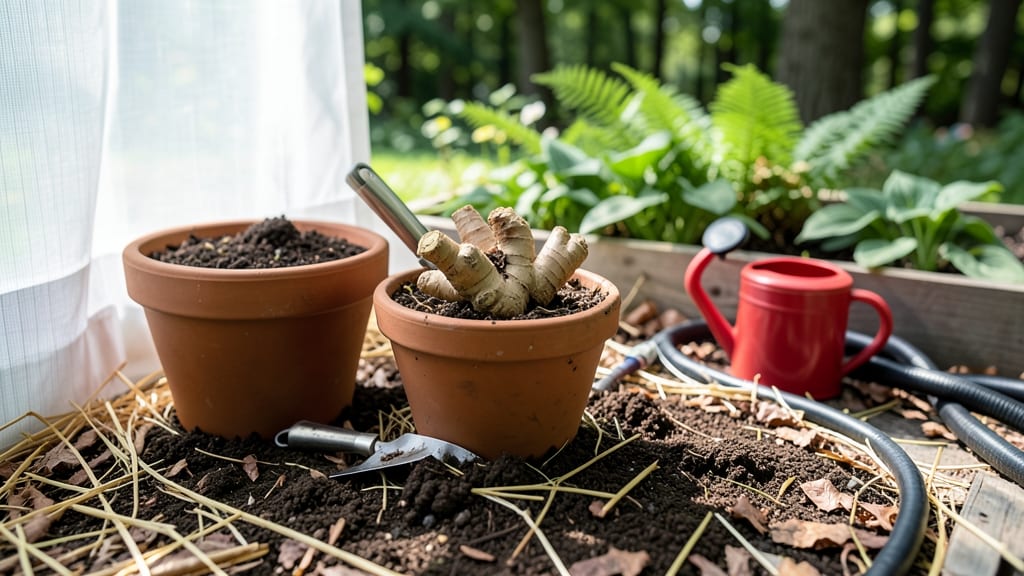
Planting ginger in California at the wrong time could mean the difference between a thriving 🌿 harvest and wasted effort—especially when coastal and inland zones have completely different rules.
Unlike many plants, ginger thrives in warm soil and hates even a whisper of frost, so timing isn’t just important—it’s the foundation of success.
If you’re in a mild coastal area like USDA Zone 10b, you can plant ginger year-round, but the best months for maximum growth are late winter through early spring.
Inland zones like Zone 9a, where temperatures dip just enough to risk frost, need a tighter window—think March or April to avoid those chilly surprises.
Here’s the game-changer: soil temperature matters more than the calendar. Ginger rhizomes won’t sprout until the ground reaches 60°F, so if you’re unsure, dig a hole and check—it’s the easiest way to guarantee your plants take off without delay.
Whether you’re growing ginger for its bold flavor or just the lush foliage, nailing the timing saves you from common mistakes like stunted growth or pests moving in. Let’s break down exactly when to plant in your specific corner of California—and how to adjust for heat or coastal breezes.
Optimal planting months for ginger in California by region
California’s diverse microclimates create unique challenges for growing ginger rhizomes. Coastal areas like San Francisco and Santa Barbara enjoy mild winters, while Central Valley zones (e.g., Fresno) face occasional frost, and desert regions (e.g., Palm Springs) bake in summer heat.
Each zone demands precise timing to avoid frost damage or heat stress. Let’s break down the best planting windows for your region.
Ginger thrives in warm soil (above 60°F) and humid conditions, making coastal California ideal. Inland areas require earlier planting to establish roots before summer heat.
Desert regions need shade strategies and consistent moisture to prevent rhizome dehydration. Understanding these microclimate shifts ensures your ginger plants grow strong and productive.
Here’s a region-specific planting guide to maximize your harvest. Use this as your roadmap for rhizome success, whether you’re in frost-free USDA Zone 10b or Zone 9a with occasional chills.
If you’re in coastal California, you’re in luck—ginger can be planted year-round thanks to mild temperatures. However, spring planting (March–May) yields the most robust rhizomes because it aligns with optimal rainfall and humidity levels.
I’ve planted ginger in Santa Barbara during every season, but my largest harvests always came from spring-planted rhizomes.
For Central Valley gardeners, timing is critical to avoid late-winter frosts. Aim to plant by mid-March to ensure roots establish before summer heat arrives. Use black plastic mulch to warm soil faster in Zone 9a.
I once lost a batch of ginger in Fresno because I planted too late—never again! 🌱
Desert regions like Palm Springs require a different strategy. Plant in late summer (August–September) to take advantage of cooler nights and shorter days. Ginger hates intense afternoon sun, so provide 50% shade cloth during peak heat.
I’ve grown ginger successfully in high-desert areas by using drip irrigation and morning watering to prevent evaporation.
Transitional zones like San Diego’s inland valleys or Los Angeles suburbs can be tricky. If your area experiences coastal breezes but also inland heat, plant in February–March for a balance. Check
How to adjust planting time for frost-prone vs. heat-intense areas
California’s microclimates create unique challenges for ginger growers. In frost-prone zones like Sacramento (USDA Zone 9a), a single cold snap can kill tender ginger plants, while heat-intense areas like Palm Springs (Zone 10b) demand shade and extra water.
The key is adjusting planting time based on soil temperature and local frost dates, not just calendar months.
For coastal areas like San Francisco, ginger thrives year-round with mild winters and consistent moisture. But inland gardeners must shift strategies: plant in late winter (February-March) to avoid early frost, or opt for container gardening to move plants indoors during cold snaps.
Desert regions, however, need a different approach entirely.
⚠️ Critical Timing Mistakes to Avoid
Frost-Prone Zones: Planting before March 15 risks frost damage—ginger rhizomes rot at 32°F or below. Use row covers if planting earlier.
Heat-Intense Zones: Delaying until May stresses plants during 100°F+ soil temps. Start in shade cloth or partial shade to protect young shoots.
To fine-tune your planting schedule, check soil temperature with a probe—ginger rhizomes need 60°F+ soil to sprout. In Sacramento’s Valley, wait until April 1 when daytime highs hit 65°F consistently.
For desert regions, plant in late summer (August-September) to take advantage of cooler nights and shorter days.
Shade strategies are non-negotiable in heat zones. Use 50% shade cloth during peak summer months (June-August) to prevent wilting. In transitional zones like the Bay Area, position ginger near tall trees or north-facing fences to filter harsh afternoon sun.
Mulch with straw or wood chips to insulate roots and retain moisture.
Container gardening offers flexibility for frost-sensitive gardeners. Plant in 12-inch pots with well-draining soil and move to a garage or sunroom when nighttime temps drop below 50°F. This method also works for urban gardeners with limited space—just ensure pots have drainage holes to prevent root rot.
Monitor your ginger’s progress closely. If leaves yellow prematurely in heat zones, it’s a sign of heat stress—provide afternoon shade immediately. In frost-prone areas, stunted growth after planting may mean the soil was too cold; wait until May 1 for safer results.
With these adjustments, you’ll maximize your harvest potential regardless of California’s climate extremes. 🌱