
Plants
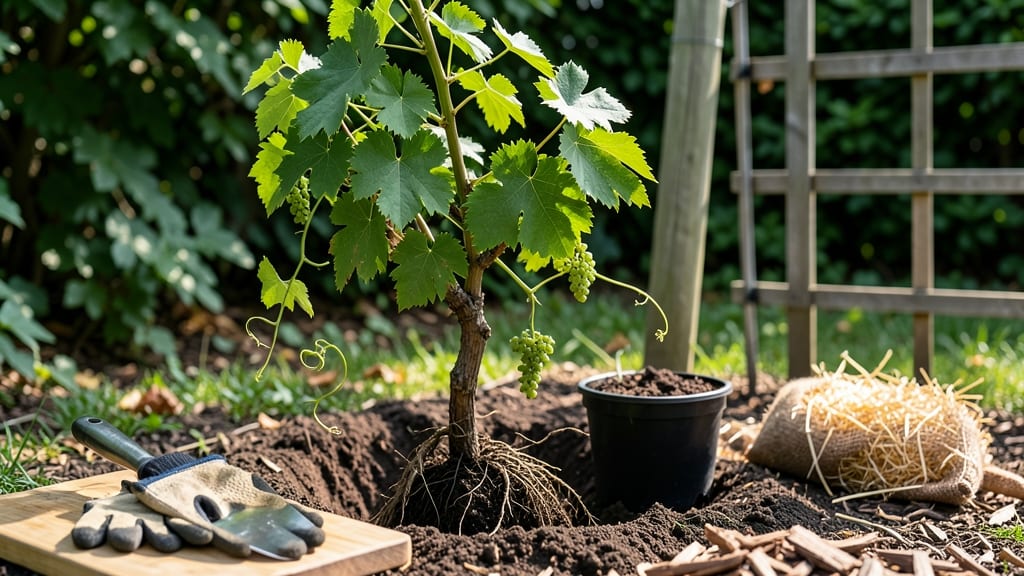
Timing your 🍇 grape planting in Michigan isn’t just about waiting for spring—it’s about reading the soil like a weather forecast. Plant too early, and frost will nip your young vines before they take root; too late, and your harvest could suffer from stunted growth.
Most Michigan gardeners know the ideal window is April through May, but the real secret lies in soil temperature. When the ground warms to 50-60°F, those delicate roots finally get the green light to spread—whether you’re planting bare-root vines or potted varieties.
Skipping this step means risking weak vines that struggle to support next year’s fruit.
Here’s what I’ve learned after years of trial and error in USDA zones 5b-6b: the Upper Peninsula’s chill delays planting by weeks compared to southern Michigan’s warmer pockets. And don’t even get me started on September bare-root plantings—they’re a gamble unless you’ve got frost dates memorized.
Ready to avoid the common mistakes? I’ll walk you through how to check soil temps, adjust for your specific corner of the state, and protect your investment from Michigan’s infamous late frosts. Let’s get those vines growing strong.
Michigan’s ideal soil temperature for planting grapes (and how to check it)
Getting the timing right for grape planting in Michigan isn’t just about the calendar—it’s all about soil temperature. Grapes thrive when soil reaches 50-60°F, signaling roots can absorb nutrients without shock.
In Michigan’s USDA Zones 5b-6b, this window often opens in late April to early May, but regional differences matter.
The Upper Peninsula may wait until early June, while southern Michigan can plant as early as mid-April. Cold soil stresses young vines, leading to poor root establishment or even death.
Why does soil temperature matter so much? Grapes are semi-tropical plants that need warmth to activate root growth. Below 50°F, roots stay dormant, delaying the vine’s ability to establish itself. Above 65°F, you risk fungal diseases like black rot or powdery mildew.
Michigan’s unpredictable spring frosts add another layer of complexity—planting too early can mean losing your investment overnight. That’s why checking soil temperature isn’t optional; it’s a non-negotiable step for success.
Here’s the key: Soil temperature varies by depth. Grapes need roots to warm up 6-8 inches deep, not just at the surface. A soil thermometer (like the Thermopro TP16) is your best tool—insert it horizontally at 6-inch depth for accurate readings.
If you don’t have one, a DIY method works too: Stick a cooking thermometer (yes, the kind for meat!) into the soil and wait 10 minutes for a stable reading. Pro tip: Check temperatures in the morning when soil is coolest—this gives you a buffer for afternoon warmth.
Michigan’s climate zones create regional planting windows. The Lower Peninsula (Zones 5b-6a) typically hits ideal soil temps by late April, while the Upper Peninsula (Zone 4b) may wait until early June.
Even within the Lower Peninsula, southern counties like Wayne or Monroe can plant 2-3 weeks earlier than northern areas like Traverse City. Use the Michigan State University Extension’s frost date maps as a starting point, then adjust based on your soil’s actual temperature.
If your soil is still below 50°F when you’re ready to plant, don’t rush it—wait it out. Cold soil can cause root rot or stunt growth for months. Instead, use black plastic mulch to warm the soil faster.
Lay it down 2-3 weeks before planting to raise temperatures by 5-10°F. For container-grown grapes, move pots to a sunny, sheltered spot and bury them halfway in the ground to stabilize soil temps. This mimics natural ground conditions and helps roots establish quicker.
What if you’re in a microclimate, like a urban garden surrounded by pavement or near a large body of water? These areas can have 5-10°F temperature swings compared to rural zones. Check soil temps in multiple spots around your planting area—what’s true for your neighbor’s yard might not apply to yours. For example, Detroit’s downtown can be 3°F warmer than nearby suburbs due to the urban heat island effect. Use this to your advantage: Plant earlier in heat-absorbing areas, but be ready to protect young vines with frost cloth if nights dip below 32°F
Best planting months for Michigan grapes by variety (table vs. field grapes)
Michigan’s two main grape categories—table grapes (like Concord and Niagara) and wine/field grapes (such as Frontenac and Marquette)—require different planting windows to thrive. Table grapes need an earlier start to ripen in time, while wine grapes benefit from later planting to avoid early-season pests.
The key? Soil temperature and frost risk—both vary wildly between Michigan’s Upper Peninsula and Lower Peninsula.
For most Michigan gardeners, April through early May is the sweet spot for planting grapevines, but cold-hardy varieties like Frontenac can handle late March if soil temps stay above 50°F.
Urban gardeners with microclimates (like south-facing walls) might push planting 2 weeks earlier, while rural areas with late frosts should wait until May 1st to be safe.
Here’s how to match your grape variety to Michigan’s planting calendar, including frost-risk adjustments for urban vs. rural gardens:
| Variety Type | Best Planting Window | Soil Temp Requirement | Frost Risk Note | Urban Adjustment |
|---|---|---|---|---|
| Table Grapes (Concord, Niagara) | Mid-April to early May | 50–55°F | High in UP; moderate in LP | Plant 1–2 weeks earlier near heat-absorbing walls |
| Wine Grapes (Frontenac, Marquette) | Late April to mid-May | 55–60°F | Moderate in UP; low in LP | Use frost cloth for 2 weeks post-planting |
| Cold-Hardy Hybrids (Valvin Muscat, Baco Noir) | Late March to early April | 45–50°F | High in all regions | Mulch heavily with straw for insulation |
| Fall Planting (Bare-Root) | September to early October | 50–55°F | None (dormant season) | Avoid urban areas with late heat islands |
If you’re in northern Michigan (USDA Zone 4b–5a), prioritize cold-hardy hybrids like Valvin Muscat, which can handle late frosts better than traditional varieties.
In southern Michigan (Zone 5b–6a), you’ve got more flexibility with Niagara or Frontenac, but always monitor local frost dates—a surprise April freeze can devastate young vines.
Pro tip: Bare-root grapes planted in fall (September–October) establish roots before winter, giving them a head start in spring. Just ensure the soil doesn’t freeze solid before planting—mid-October is the latest you should go.
For container growers, extend your window by planting 1–2 weeks later than in-ground vines, since pots warm up faster in spring.
Remember, microclimates win. A south-facing wall can add 5–10°F of warmth, letting you plant Concord grapes 2 weeks earlier than your neighbor’s open field.
Use black plastic mulch or row covers to further protect young plants from late-spring frosts, which are more common in Michigan’s thumb region than in Detroit or Traverse City.