
Plants
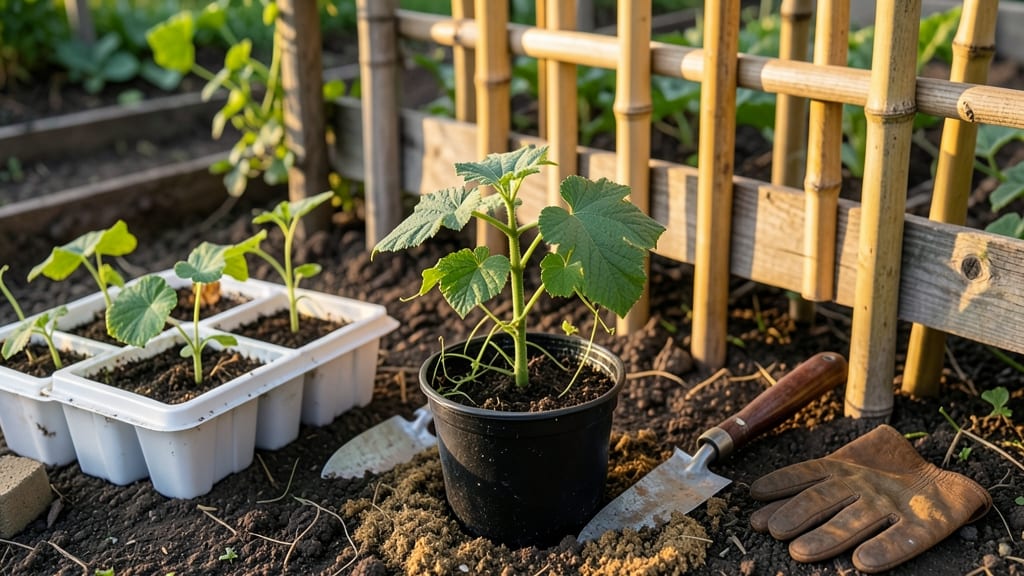
Zone 7a frost dates & ideal cucumber planting windows
In Zone 7a, where the last spring frost typically occurs around April 15 and the first fall frost arrives near October 15, cucumbers thrive when planted at the right time.
The 165 frost-free days in this zone provide a perfect window for both spring and fall harvests, but timing is everything. Planting too early risks frost damage, while waiting too long may shorten your harvest season.
Cucumbers are warm-season crops that need soil temperatures of at least 60°F to germinate properly. In Zone 7a, this usually means waiting until mid-April to early May for direct sowing or transplanting.
For fall harvests, a late July planting can extend your season into early October, depending on variety and growing conditions.
Here’s the key: Soil temperature matters more than air temperature. Use a soil thermometer to confirm warmth before planting—cold soil slows germination and weakens seedlings.
If your soil isn’t ready, consider black plastic mulch to warm it faster or start seeds indoors 3-4 weeks before the last frost for an earlier transplant.
| Planting Method | Ideal Planting Window | Soil Temp Requirement | Notes |
|---|---|---|---|
| Direct Sowing (Spring) | Mid-April to early May | 60°F+ | Wait until all frost risk passes; use row covers for early starts. |
| Transplanting (Spring) | Late April to mid-May | 60°F+ | Start seeds indoors 3-4 weeks before last frost; harden off before transplanting. |
| Direct Sowing (Fall) | Late July to early August | 60°F+ | Choose fast-maturing varieties; harvest before first frost. |
| Succession Planting | Every 2-3 weeks (May-July) | 60°F+ | Extend harvests by planting new seeds every few weeks. |
For early varieties like 'Straight Eight' or 'Bush Champion' (which mature in 50-55 days), you can push the envelope slightly. Plant these 2-3 weeks before the last frost date if you’re willing to use row covers or cloches to protect young plants.
However, avoid planting too early—cucumbers won’t tolerate frost, and cold soil can stunt their growth entirely.
If you’re growing longer-season varieties (60+ days to maturity), stick to the mid-May to early June window for spring plantings. These varieties need the full 165-day frost-free period to reach maturity, so planting them earlier risks incomplete harvests.
For fall plantings, opt for 50-day varieties like 'Diva' or 'Sweet Success' to ensure a harvest before frost.
Pro tip: Monitor your local microclimate. Urban areas or low-lying spots may experience frost later than rural zones. Use a frost calendar from your local cooperative extension service for precise dates.
If you’re unsure, err on the side of waiting—cucumbers planted too early in cold soil often rot or fail to thrive.
Another strategy for Zone 7a gardeners is succession planting. Instead of one big planting, sow seeds every 2-3 weeks from May through July. This ensures a continuous harvest and reduces the risk of overwhelming your garden with ripe cucumbers all at once.
Just remember: Soil must stay warm (60°F+) for each new batch.
Finally, don’t forget about fall harvests. Plant a second crop in late July for a late-summer/early-fall bounty. Choose heat-tolerant varieties like 'Lemon Cucumber' or 'Corinto' to handle the lingering summer heat.
With the right timing, you can enjoy cucumbers well into October—just be ready to harvest quickly before the first frost hits.
By aligning your planting with Zone 7a’s frost dates, soil temperature requirements, and variety-specific needs, you’ll set yourself up for a successful, productive cucumber season. Start with the right timing, and you’ll be feasting on homegrown cucumbers all summer long! 🥒
Best cucumber varieties for Zone 7a & their planting timing
Choosing the right cucumber varieties for Zone 7a ensures a productive harvest, especially when paired with precise planting timing. Heat tolerance and days to maturity are critical—some varieties thrive in Zone 7a’s summer heat, while others bolt prematurely.
Let’s explore the top performers and their ideal planting windows to align with your 165 frost-free days.
For early-season harvests, opt for varieties like 'Straight Eight', which matures in 55-60 days and handles Zone 7a’s 60°F+ soil temperatures perfectly. Plant these mid-April to early May after your last frost date (typically April 15), using black plastic mulch to warm the soil faster.
This variety’s compact vines (3-6 ft) also work well for container gardening.
| Variety | Type | Days to Maturity | Planting Window (Zone 7a) | Heat Tolerance |
|---|---|---|---|---|
| Straight Eight | Slicing | 55-60 days | Mid-April to early May | High |
| Marketmore 76 | Pickling/Slicing | 60-65 days | Late April to early June | Moderate |
| Armenian | Snacking | 50-55 days | Late May to early July | Very High |
| Lemon Cucumber | Snacking | 55-60 days | Early June to mid-July | High |
| Bush Champion | Slicing | 60-65 days | Late April to early June | Moderate |
If you’re aiming for a fall harvest, 'Armenian' cucumbers are my top pick—they thrive in Zone 7a’s late-summer heat and mature in just 50-55 days. Plant these late July to early August for a harvest before your first frost (October 15).
Their heat tolerance and quick maturity make them ideal for succession planting.
For pickling and slicing, 'Marketmore 76' is a versatile choice with 60-65 days to maturity. Sow seeds late April to early June when soil temps hit 65°F+.
This variety handles Zone 7a’s humidity well but benefits from trellising to prevent disease. Pair it with drip irrigation to keep foliage dry and reduce powdery mildew risks.
Don’t overlook bush varieties like 'Bush Champion' for small spaces—they mature in 60-65 days and require minimal trellising. Plant these late April to early June for a compact harvest (1-3 ft vines). Their moderate heat tolerance makes them perfect for container gardens or urban plots where space is limited.
Pro tip: Always harden off transplants for 7-10 days before setting them out, especially if starting seeds indoors. Zone 7a’s variable spring temps can shock young plants, so gradual acclimation is key to avoiding transplant shock.