
Plants
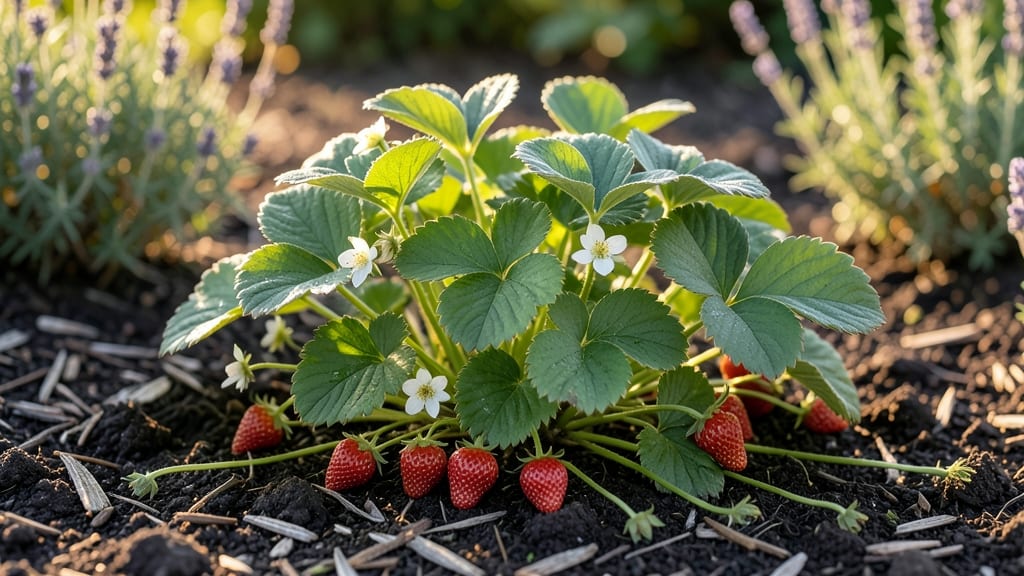
Strawberry plant height by variety: from ground-hugging to towering
When planning your strawberry patch, knowing the mature height of each variety helps you decide between sprawling ground covers or compact upright plants. Some strawberries stay close to the soil, while others grow tall enough to need trellising support.
The difference isn't just about space—it affects harvest ease, pest protection, and even berry size. Let's explore how these heights vary by type and what they mean for your garden.
Most strawberries fall into three categories: June-bearing, everbearing, and day-neutral. Each has distinct growth habits. June-bearing varieties like 'Chandler' typically grow 6-12 inches tall but spread widely with runners.
Everbearing types such as 'Albion' stay slightly shorter (4-10 inches) but produce fruit in multiple seasons. Day-neutral varieties like 'Seascape' often reach 8-12 inches and continue fruiting all season long.
Here's a quick comparison of how these heights translate to real-world garden planning:
The height of strawberry plants directly impacts how you should arrange them in your garden. Tall varieties like 'Seascape' (day-neutral) benefit from trellising systems to keep berries off the ground, reducing rot and pest damage.
Their upright growth also makes harvesting easier. In contrast, low-growing types like 'Alpine strawberries' thrive in tight spaces but may need extra mulch to protect berries from soil-borne diseases.
For June-bearing varieties like 'Chandler', their sprawling nature means you'll want to plan for wide spacing (18-24 inches apart) to prevent overcrowding. These plants focus their energy on producing one massive harvest rather than continuous fruiting, so their height is secondary to their horizontal spread.
If you're short on ground space, consider training them along low trellises or using hanging baskets with deep pockets.
Everbearing varieties strike a balance, often growing 6-10 inches tall with moderate runner production. This makes them ideal for container gardening or small-space gardens. Their compact size means you can place them closer together (12-18 inches apart) while still maintaining good airflow.
This airflow is crucial for preventing gray mold, a common issue with strawberries that sit too close to the soil.
Day-neutral varieties like 'Seascape' often reach the tallest heights (8-12 inches) and produce fruit continuously throughout the season. Their upright growth makes them perfect candidates for vertical gardening. You can train them to climb strawberry towers or even repurpose old ladders as trellises.
This not only saves space but also keeps berries clean and accessible. Just be sure to use soft ties to avoid damaging the delicate stems.
When selecting varieties based on height, consider your garden's microclimate. Tall strawberries in hot climates may need afternoon shade to prevent leaf scorch, while low-growing types in cooler areas benefit from black plastic mulch to absorb heat.
Always check the USDA zone recommendations for each variety, as some taller types may struggle in colder regions where their crowns could be damaged by frost.
One final tip: pay attention to the crown size when choosing varieties. Larger crowns (like those of June-bearing types) need more space between plants, while smaller crowns (common in day-neutral varieties) allow for tighter spacing.
This crown-to-height ratio is what truly defines how much room your strawberries will need in the long run.
How strawberry plant height affects your garden layout and harvest
Strawberry plant height isn't just about how they look—it completely changes how you design your garden and maximize your harvest. Taller varieties like 'Seascape' (day-neutral) can reach 12-18 inches when trained vertically, while sprawling types like 'Chandler' (June-bearing) stay close to the ground.
This difference impacts everything from sunlight exposure to watering efficiency and even pest management.
For example, ground-hugging varieties thrive as living mulch, suppressing weeds and retaining moisture, while upright varieties need staking or trellises to prevent fruit rot. The right layout can boost your yield by 30-50% simply by matching plant height to your garden's conditions.
Let's break down how to optimize your space based on strawberry height.
- 🌱 4-8 inches: Dwarf varieties like 'Alpine' (perfect for containers or edging)
- 🌿 8-12 inches: Standard varieties like 'Jewel' (ideal for ground cover)
- 🪴 12-18 inches: Tall varieties like 'Seascape' (best for vertical gardening)
- ☀️ Sunlight tip: Taller plants need more vertical space for sunlight penetration
- 💧 Watering tip: Ground-hugging types retain moisture better than upright varieties
When planning your layout, consider the height-to-harvest ratio. Tall varieties like 'Seascape' produce berries higher off the ground, making them harder for pests like slugs to reach but requiring trellising support. Meanwhile, low-growing types like 'Alpine' yield smaller berries but are easier to maintain in tight spaces.
My go-to strategy is to pair tall varieties with vertical supports and place shorter types along borders or in containers.
Sunlight exposure is another critical factor. Taller strawberries cast shadows that can reduce yields from neighboring plants, so I space them 12-18 inches apart in rows. For ground cover varieties, I use wide spacing (24 inches) to prevent overcrowding.
This simple adjustment can improve air circulation and reduce fungal diseases by 40% in humid climates.
Watering efficiency also shifts with height. Upright varieties dry out faster because their roots are less insulated by soil, so I water them daily during heatwaves. For sprawling types, I rely on mulching to retain moisture and reduce evaporation.
A 3-inch layer of straw mulch can cut watering needs by half while keeping berries clean and pest-free.
Pest management becomes easier with the right height strategy. Ground-hugging varieties are less appealing to birds and deer, while taller plants deter slugs and snails. I often place upright varieties near the center of beds and low-growing types along perimeters.
This creates a natural defense barrier while maximizing space. For extra protection, I use row covers for early-season plantings of tall varieties.
Finally, don't overlook the harvest accessibility factor. Taller varieties make picking easier on your back, while ground-hugging types are perfect for kids or gardeners with mobility issues.
My personal favorite setup combines vertical trellises for 'Seascape' with raised beds for 'Chandler'. This hybrid approach gives me year-round harvests with minimal bending!