
Plants
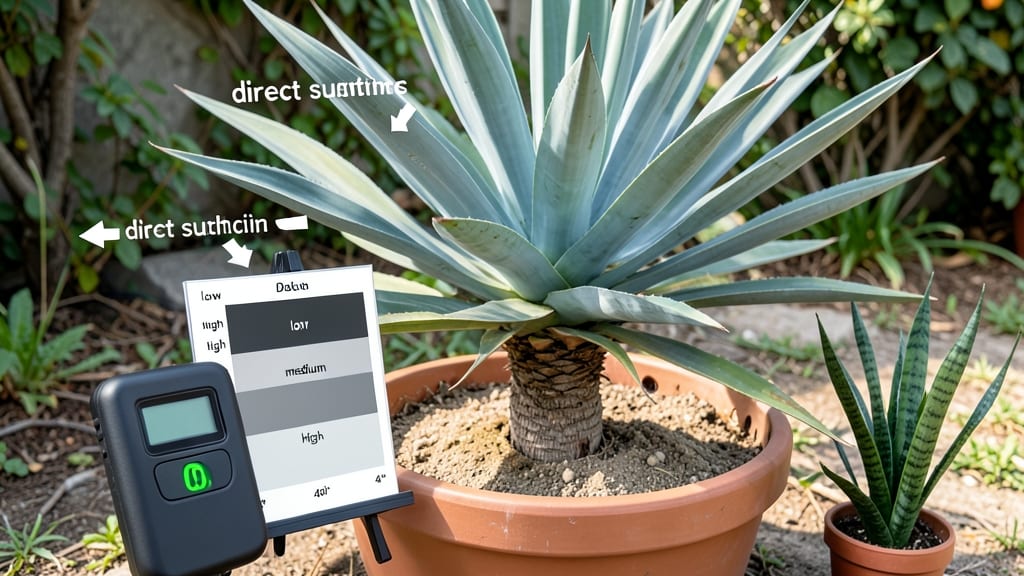
Ideal sunlight requirements for yucca plants: 6+ hours of direct sun daily
Yucca plants are sun lovers, and their light requirements are the foundation of their health. Without enough sunlight, even the hardiest varieties like Yucca elephantipes will struggle to grow, producing weak stems and sparse foliage.
Most yuccas need 6 to 8 hours of direct sunlight daily, but some desert varieties can handle even more. Understanding these needs will help you avoid common mistakes like yellowing leaves or leaf scorch.
Not all yuccas are created equal when it comes to light. For example, Yucca filamentosa (Adam's needle) thrives in full sun but can tolerate partial shade in hot climates, while Yucca rostrata (beaked yucca) demands intense sunlight to prevent slow growth.
Even small differences in exposure can drastically change how your plant performs, especially during winter months when daylight shrinks.
Here’s a quick guide to help you match your yucca’s needs with your garden’s conditions:
To measure sunlight exposure accurately, use a simple trick: place a sunlight tracker (like a white piece of paper or a light meter app) near your plant for a full day. Mark the hours it receives direct rays—this will help you determine if your yucca is getting enough.
For example, a south-facing window typically offers 6-8 hours of sunlight in most climates, while an east-facing spot may only provide 4-5 hours.
In winter months, daylight decreases significantly, especially in northern climates. If your yucca starts showing signs of slow growth or pale leaves during winter, consider supplementing with a grow light for 4-6 hours daily.
This mimics natural sunlight and prevents dormancy-related stress. Even a simple LED grow bulb can make a difference for indoor yuccas.
Over-exposure is just as harmful as too little light. If your yucca develops leaf scorch (brown, crispy patches), it’s a sign of excessive sunlight, especially in hot afternoons. To protect your plant, provide afternoon shade using a sheer curtain or a nearby tree.
For outdoor yuccas, a light-colored mulch around the base can reflect excess heat and prevent root stress.
One common myth is that yuccas can thrive in low-light conditions. While they’re more tolerant than many plants, this will lead to weak stems and fewer blooms. If you’re growing yucca indoors, rotate the pot every few weeks to ensure even light exposure.
This prevents the plant from leaning toward the light source, which can cause uneven growth and stress.
For container-grown yuccas, choose a spot where they’ll receive unobstructed sunlight for most of the day. If your balcony or patio has limited sun, opt for a compact variety like Yucca filamentosa ‘Color Guard’, which tolerates partial shade better than larger types.
Always ensure the container has drainage holes to prevent root rot from overwatering, especially in low-light conditions.
Remember, the key to happy yuccas is balance. Too little light stunts growth, while too much can burn delicate foliage. By observing your plant’s response and adjusting its placement seasonally, you’ll create the perfect conditions for a thriving yucca that blooms beautifully year after year. 🌵
How to adjust light conditions for indoor vs. outdoor yucca growth
Yucca plants are sun worshippers, but their light needs can differ dramatically between indoor and outdoor settings. Indoor yuccas often struggle with low-light conditions, while outdoor yuccas may need protection from intense afternoon sun.
The key is understanding how to mimic their natural habitat—whether you're dealing with a south-facing window or a hot desert climate. Let’s break down how to adjust light exposure for both scenarios to keep your yucca thriving.
For indoor growers, the biggest challenge is replicating 6+ hours of direct sunlight. Most homes simply don’t get enough natural light, especially in north-facing rooms or during winter months. That’s where grow lights or strategic window placement comes in.
Even a south-facing window may not provide enough light if your yucca is tucked away in a corner. Rotating your plant quarter-turns every few days ensures even growth and prevents lopsided development.
| Light Source | Effectiveness for Yucca | Best For | Adjustments Needed |
|---|---|---|---|
| South-Facing Window | ⭐⭐⭐⭐☆ (Good, but varies by season) | Indoor yuccas in sunny climates | Rotate plant weekly; supplement with grow lights in winter |
| LED Grow Lights (12-14 hrs/day) | ⭐⭐⭐⭐⭐ (Optimal for indoor growth) | North-facing rooms, winter months | Position 6-12 inches above plant; use full-spectrum bulbs |
| Outdoor Full Sun (6+ hrs/day) | ⭐⭐⭐⭐⭐ (Best for outdoor yuccas) | Desert or Mediterranean climates | Use shade cloth in peak summer heat; avoid late afternoon sun |
| Partial Shade (3-4 hrs/day) | ⭐⭐☆☆☆ (Stressful for yuccas) | Humid or shaded outdoor areas | Move to sunnier spot or supplement with grow lights |
Outdoor yuccas, on the other hand, often face the opposite problem—too much light can scorch leaves, especially in hot, dry climates. While yuccas love full sun, they can handle partial shade in extreme heat, particularly in USDA zones 9-11.
Look for microclimates in your yard, like areas near stone walls or under drip irrigation, which provide indirect light while keeping roots cool. If your yucca shows signs of leaf burn (brown, crispy edges), it’s time to provide afternoon shade.
One of my favorite tricks for outdoor yuccas is using dappled shade from nearby trees. A 50% shade cloth can also work wonders during the hottest months, reducing stress while still allowing plenty of light.
For container-grown yuccas, move them to a shadier spot during peak afternoon heat (typically 2 PM to 6 PM) and return them to full sun in the morning. This mimics the natural partial shade they’d experience under a desert shrub.
Don’t forget that seasonal changes dramatically affect light exposure. In winter months, days are shorter, and indoor yuccas may need supplemental grow lights to maintain their 6-hour light requirement.
For outdoor yuccas, early spring and late fall are ideal times to transplant them into sunnier spots before the heat ramps up. Pay attention to your yucca’s growth patterns—if new leaves are smaller or paler, it’s a sign they’re not getting enough light.
Whether you’re battling dim indoor lighting or scorching outdoor heat, adjusting light conditions is all about observation and flexibility. Start with small changes, like rotating your indoor yucca or testing a shade cloth outdoors, and monitor its response.
With the right light balance, your yucca will reward you with bold foliage, vigorous growth, and long-lasting beauty—indoors or out.