
Plants
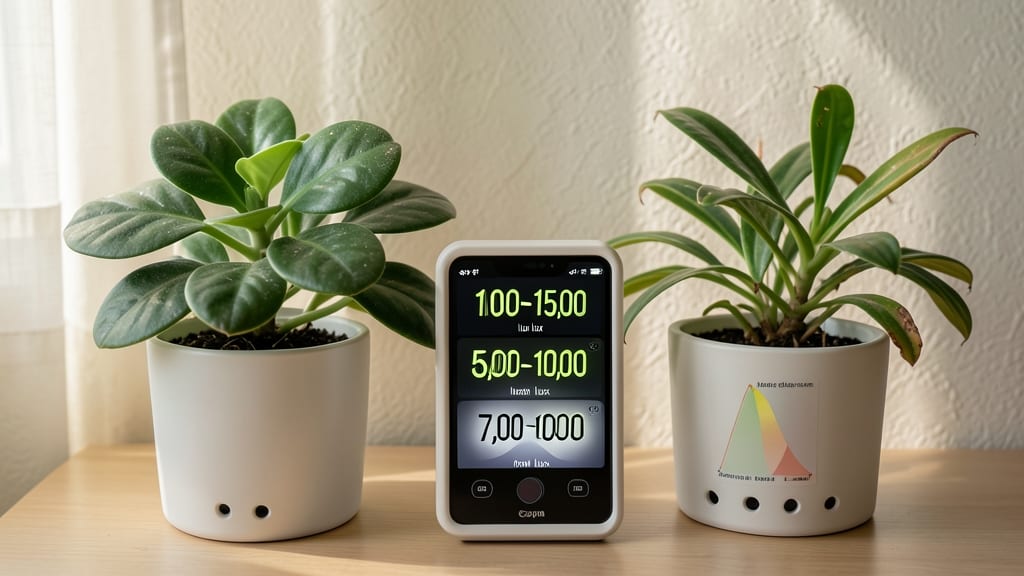
Want to know how much light does a Hoya plant need to grow lush and vibrant instead of stretching toward the light like a sleepy cat? The truth is, most people overcomplicate light needs—when it’s actually simpler than you think.
Hoya plants thrive in bright indirect light, but too much direct sun or too little can turn your leafy friend into a sad, leggy shadow of its former self.
Whether you're dealing with a Hoya carnosa or a Hoya kerrii, getting the light balance right is the secret weapon for keeping your plant happy and healthy.
In this guide, I’ll break down exactly how much light your Hoya needs—from the ideal window spots to signs your plant is begging for more (or less) sunshine. You’ll also discover easy fixes for common light-related problems, so your Hoya can finally reach its full potential.
Ready to transform your plant care game? Let’s dive into the perfect lighting setup for your Hoya and watch it flourish in no time.
 Best Window Placement
Hoya plant light requirements by variety: bright vs indirect sunlight needs
Hoya plants thrive with the right balance of light, but their needs vary dramatically between varieties. Some, like Hoya carnosa, adapt to low-light conditions, while others, such as Hoya obovata, demand bright indirect sunlight to produce those stunning waxy blooms.
Understanding these differences is key to preventing common issues like stretched leggy growth or sunburned leaves. Let’s break down the science behind light intensity—measured in lux—and how to tailor your care to each variety.
Most Hoyas flourish in light levels between 1,000–3,000 lux, but the sweet spot shifts depending on the species. For example, Hoya kerrii (the sweetheart Hoya) tolerates moderate indirect light (1,500–2,500 lux), while Hoya linearis craves high indirect light (2,500–3,000 lux) to trigger flowering.
Seasonal changes also play a role—winter light is weaker, so you may need to adjust placement or supplement with grow lights to maintain healthy growth.
Here’s how to match your Hoya’s light needs to its variety, plus how to spot signs of underlighting or overheating before they become permanent problems.
| Variety | Light Needs | Lux Range | Ideal Placement | Seasonal Adjustments |
|---|---|---|---|---|
| Hoya carnosa | Bright indirect | 1,500–2,500 lux | East/west window, 2–3 ft away | Move closer in winter |
| Hoya kerrii | Moderate indirect | 1,000–2,000 lux | North-facing window or filtered light | Rotate for even growth |
| Hoya obovata | High indirect | 2,500–3,000 lux | South window with sheer curtain | Supplement with grow light in winter |
| Hoya linearis | Bright indirect | 2,000–3,000 lux | Grow light + natural light combo | Increase light in fall/winter |
| Hoya imperialis | Low to moderate | 800–1,500 lux | Indoor shaded spot or bathroom | Avoid direct sun year-round |
For Hoya carnosa, the classic "wax plant," bright indirect light (1,500–2,500 lux) is ideal. Place it near an east- or west-facing window where morning or afternoon sun gently filters through.
If you notice pale, stretched leaves, it’s begging for more light—try rotating the pot or moving it closer to the window. Conversely, brown crispy edges signal direct sunburn, so add a sheer curtain if your Hoya is getting too much midday heat.
Hoya kerrii, with its heart-shaped leaves, is more forgiving but still prefers moderate indirect light. A north-facing window or a spot 3–4 feet from a south window works well. This variety is perfect for beginners because it tolerates lower light levels (1,000–2,000 lux) without losing its compact shape. However, if leaves start yellowing at the edges, it’s a sign of overwatering combined with insufficient light—reduce watering and move it to a brighter spot.
Hoya obovata and Hoya linearis are the divas of the Hoya world—they demand high indirect light (2,500–3,000 lux) to produce their iconic blooms. If you’re growing these outdoors, place them under dappled shade (like under a tree canopy) or indoors near a south-facing window with a sheer curtain. In winter, when natural light drops, supplement with a 12-hour LED grow light to maintain their energy levels. Watch for bleached or translucent leaves, a sure sign they’re getting too much harsh light.
Seasonal adjustments are critical, especially if you’re growing Hoyas indoors. During summer months, when light intensity peaks, move sensitive varieties like Hoya obovata slightly farther from the window to avoid sun scorch. In winter, when daylight shrinks, Hoyas may enter a dormant phase.
Reduce watering and consider adding a grow light to keep them active. Pro tip: Use a light meter (or a free app) to monitor lux levels and fine-tune your setup.
Outdoor Hoyas also need seasonal care. In spring and fall, when temperatures are mild, they can handle morning sun followed by afternoon shade. But in summer’s intense heat, even shade-loving Hoyas can suffer from heat stress
Signs your Hoya isn’t getting enough (or too much) light—and how to fix it
If your Hoya plant is sending you SOS signals, it’s often because the light balance is off. Leggy stems, pale leaves, or brown patches aren’t just aesthetic issues—they’re your Hoya’s way of saying, "I need help!" Most gardeners assume their plant is just "struggling," but the real culprit is usually light stress.
Whether your Hoya is stretching toward the window like a sleep-deprived teenager or drooping in the heat, I’ll show you how to diagnose and fix these issues fast.
First, let’s talk about the most common light-related symptoms. If your Hoya’s leaves are long and thin with sparse growth, it’s underlighted. This happens when your plant stretches toward the light source, a condition called etiolation.
On the flip side, crispy brown edges or bleached spots mean your Hoya is getting too much direct sunlight, leading to sunburn. These signs aren’t just annoying—they can weaken your plant’s immune system, making it more susceptible to pests and diseases.
⚠️ callout warning
Hoya plants need bright indirect light (1,000–3,000 lux), but most homes don’t provide enough natural light, especially in winter months. A quick fix? Move your Hoya to an east-facing window or use a grow light for 12 hours a day. Direct sun = instant damage; low light = weak, leggy growth. Use a light meter app to check levels—most smartphones can do this!
Let’s start with the underlighted Hoya. If your plant’s stems are elongated and weak, it’s reaching for light like a vampire craving moonlight. The leaves will also be smaller than usual and lighter in color.
To fix this, move your Hoya to a sunnier spot, like an east- or west-facing window. If your home lacks natural light, consider a LED grow light placed 6–12 inches above the plant. Rotate the pot quarter-turns every few days to encourage even growth and prevent lopsided development.
For overlighted Hoyas, watch for yellowing or brown crispy edges on the leaves. This is your plant’s way of screaming, "Too hot!" Direct sunlight, especially in summer afternoons, can scorch leaves in hours.
The fix? Sheer curtains or a light-colored shade cloth can diffuse harsh rays while still allowing plenty of light. If you’re growing Hoyas outdoors, place them under dappled shade, like under a tree with a filtering canopy.
Pro tip: Morning sun is gentler than afternoon sun, so east-facing spots are ideal for sensitive varieties.
Here’s a 3-step troubleshooting checklist to get your Hoya back on track:
- Check the leaves: Are they stretched and pale (needs more light) or crispy and brown (too much light)?
- Test the light: Use a light meter app to measure lux levels.
Aim for 1,500–3,000 lux for most Hoyas. 3. Adjust placement: Move your Hoya closer to a window (for underlighting) or further away with a sheer curtain (for sunburn).
Remember, Hoyas are adaptable, but they thrive when given the right conditions. With these fixes, your plant will bounce back in 4–6 weeks, producing lush, vibrant growth and even those coveted waxy blooms.
Start with small adjustments, monitor your plant’s response, and don’t hesitate to experiment—your Hoya will thank you with healthier leaves and happier growth!