
Plants
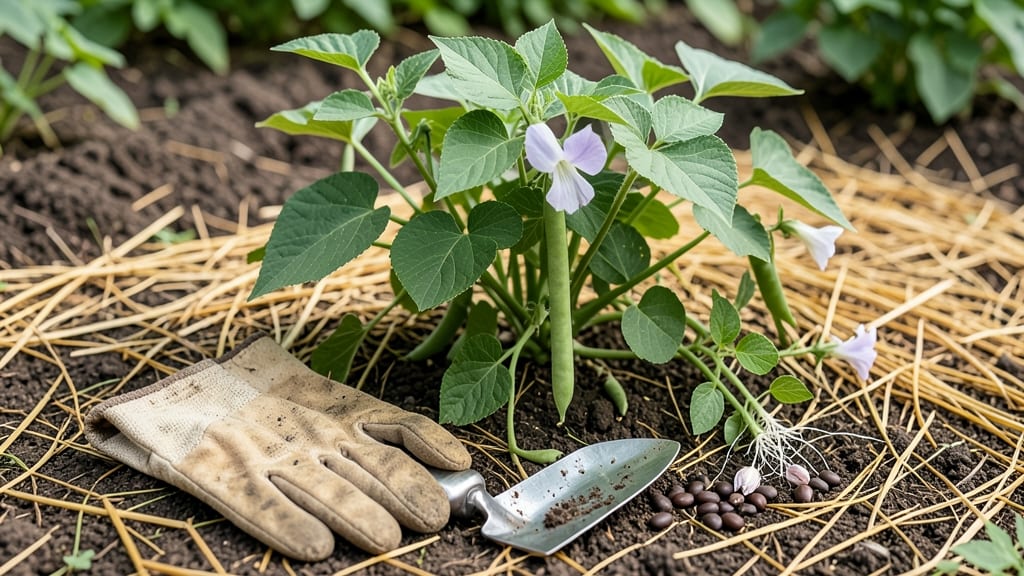
Planting beans in California at the wrong time can turn your garden dreams into a wasted effort—especially when coastal fog meets desert heat just miles apart.
The perfect window isn’t one-size-fits-all; it depends on whether you’re in frost-prone San Francisco, sweltering Palm Springs, or the Central Valley’s 9-10 USDA zones.
I’ve grown beans across California’s microclimates, and the difference between a bountiful harvest and a flop comes down to timing. Skip the guesswork: coastal gardeners can start as early as February, while desert growers should wait until March or April when soil warms to 60°F.
But here’s the catch—even within regions, elevation and shade play a role.
In this guide, I’ll break down the exact months to plant by zone, plus how to adjust for heat, drought, and even succession planting for nonstop harvests. No more second-guessing whether your beans will thrive or bolt too soon.
Ready to turn your garden into a bean-producing powerhouse? Let’s dive into the climate-smart schedule that works for your specific corner of California.
Best planting months for beans in California by microclimate
California’s climate is as diverse as its landscapes, and beans thrive best when planted at the right time for your specific microclimate. Whether you're in frost-prone Northern California, the Central Valley’s hot summers, or the Southern California desert, timing is everything.
Beans are warm-season crops that struggle with cold snaps and extreme heat, so knowing your local frost dates and heat thresholds is key.
For bush beans and pole beans, the ideal soil temperature is 60-85°F.
Coastal areas can plant earlier, while inland desert regions should wait until the last frost has passed. Lima beans, a specialty variety, prefer even warmer soil—aim for 70°F or above—and are best suited for Central and Southern California gardens.
Here’s a quick breakdown of your planting window based on California’s three main microclimates:
| Region | Last Frost Date | Best Planting Months | Heat Tolerance Threshold | Notes |
|---|---|---|---|---|
| Northern California (e.g., San Francisco, Sacramento) | December 1 - January 15 | February - October | Up to 85°F | Coastal fog delays heat; use shade cloth in summer. |
| Central California (e.g., Central Valley, Bay Area) | January 15 - February 15 | March - September | Up to 95°F (with shade) | Hot summers; plant early or late for best results. |
| Southern California (e.g., Los Angeles, Palm Springs) | None (year-round growing) | February - October (desert: March - September) | Up to 105°F (with mulch) | Desert areas need extra water; coastal areas benefit from ocean breezes. |
In Northern California, where coastal fog lingers into spring, you can start planting bush beans as early as February. The Central Valley, with its hot summers, is best suited for early spring or late summer plantings to avoid heat stress.
Meanwhile, Southern California offers year-round growing potential, but desert regions like Palm Springs should wait until March to avoid soil overheating.
For pole beans, which need trellises, plant seeds 1 inch deep and space them 4-6 inches apart.
They thrive in full sun and can tolerate partial shade in the hottest regions. Bush beans, on the other hand, grow in compact clusters and are perfect for small gardens or container growing. Plant them 1-2 inches deep with 3-4 inches between seeds.
If you’re growing lima beans, opt for large lima varieties in Central and Southern California, where the soil stays warm longer. These beans need rich, well-draining soil and consistent moisture to produce those prized buttery pods.
Avoid planting them in coastal fog zones, where cooler temperatures can stunt their growth.
Pro tip: Use a soil thermometer to check temperatures before planting. Beans won’t germinate well in cold soil, so wait until the ground reaches 60°F for most varieties. In desert regions, mulch heavily to retain moisture and keep roots cool during scorching afternoons.
For continuous harvests, consider succession planting every 2-3 weeks from spring through early summer. This ensures a steady supply of fresh beans and maximizes your garden’s productivity. Just remember: late summer plantings in Central and Southern California can still yield a harvest before the first frost—if there is one!
🌱
How to adjust planting times for heat and drought resistance
California’s microclimates create unique challenges for growing beans. In coastal fog zones, like San Francisco, early planting can lead to cold soil and stunted growth, while desert regions, such as Palm Springs, demand precise timing to avoid heat stress.
Adjusting your planting schedule based on soil temperature and weather patterns is key to success.
For heat-resistant varieties, like ‘Black Valentine’ or ‘Rattlesnake’ beans, aim to plant when daytime highs stay below 90°F. These varieties thrive in warmer climates and can tolerate dry spells better than traditional types.
In cooler coastal areas, you can plant as early as February, but inland regions should wait until April or May.
⚠️ callout warning
Planting beans too early in coastal fog zones risks cold soil (<60°F), while planting too late in desert areas exposes them to intense heat (>95°F). Solution: Use a soil thermometer—wait until soil reaches 60-65°F for coastal areas and 70-75°F for desert zones. For extended harvests, try succession planting every 2-3 weeks.
Extend your growing season by using shade cloth (30-50% coverage) to protect young plants from intense afternoon sun. This is especially useful in Central Valley areas where summer temperatures can exceed 100°F.
Pair shade cloth with mulch to retain soil moisture and keep roots cool. Organic mulches, like straw or wood chips, also suppress weeds and improve soil health over time.
Watering strategies make a huge difference in drought-prone areas. Instead of frequent shallow watering, use deep watering techniques—water at the base of plants in the early morning to reduce evaporation.
Aim for 1-2 inches of water per week, adjusting based on rainfall. Drip irrigation systems are ideal for consistent moisture without wasting water.
Choose drought-tolerant varieties like ‘Bronze’ or ‘Tendergreen’ beans, which require less water than traditional types. These varieties also handle poor soil conditions better, making them perfect for sandy desert soils or clay-heavy coastal gardens. Always amend your soil with compost before planting to improve drainage and nutrient retention.
Monitor your plants closely for signs of heat stress, such as drooping leaves or yellowing foliage. If you notice these symptoms, provide temporary shade and increase watering frequency temporarily. With the right adjustments, you can enjoy a bountiful bean harvest even in California’s most challenging climates. 🌱