
Plants
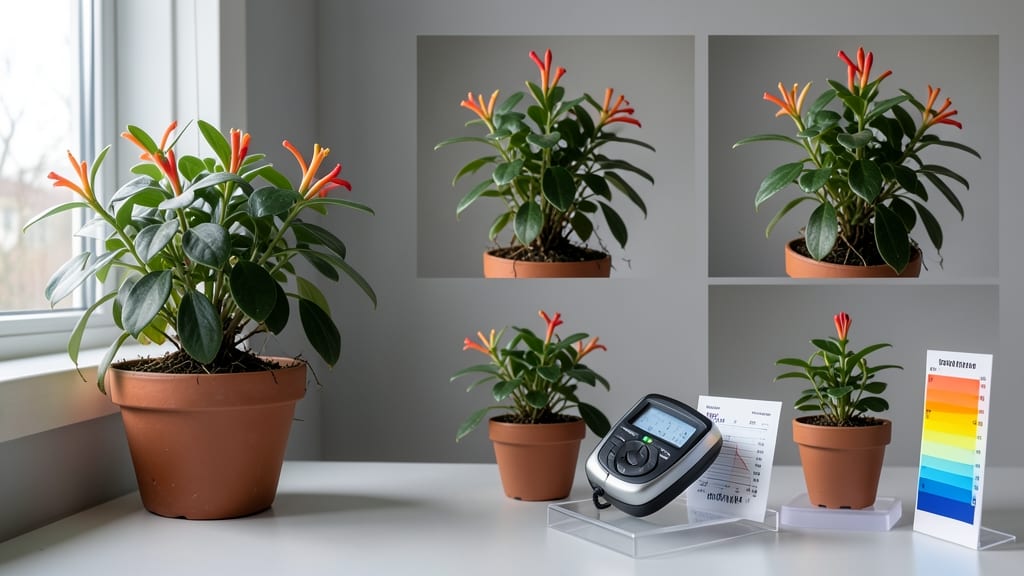
If you’re wondering how much light does a lipstick plant need, the answer could be the missing piece in your plant care puzzle—especially if its signature red stems are fading or its leaves are turning pale and leggy.
This striking ornamental thrives in bright indirect light, but too much sun burns its delicate foliage, while too little dims its bold color.
I’ve watched my own Lipstick Plant transform from a sad, stretched-out shadow to a vibrant showstopper just by tweaking its light exposure. The key isn’t harsh sunlight or deep shade, but finding that sweet spot where it gets enough glow to fuel its growth without scorching its leaves.
Whether you’re adjusting a windowsill setup or troubleshooting an indoor grow light, I’ll walk you through how to spot the signs of light stress and what to do next. No more guessing—just clear, actionable steps to keep your Lipstick Plant looking its best year-round.
Let’s dive into the ideal light conditions, seasonal adjustments, and quick fixes for common issues like leaf discoloration or weak stems. Your plant’s vibrant future starts with the right lighting—and it’s simpler than you’d expect.
 Best Window Placement
Optimal light requirements for lipstick plant growth and color
The lipstick plant (Aeschynanthus radicans) thrives in bright indirect sunlight, where its signature red stems and glossy leaves reach their most vibrant hues. This tropical beauty mimics its natural understory habitat, so direct sun can scorch its delicate foliage, while too little light causes pale, leggy growth.
Understanding these light needs is key to unlocking your plant's full potential.
In my experience, the sweet spot for lipstick plants is 4-6 hours of filtered light daily. This mimics dappled sunlight found under forest canopies. The intensity of red stems actually deepens with proper light exposure—think of it as nature's way of signaling a healthy, thriving plant.
Without enough light, those stunning stems turn pinkish or greenish, losing their signature look.
Here's the light spectrum breakdown that works best for your lipstick plant:
| Light Condition | Daily Exposure | Stem Color Impact | Leaf Health |
|---|---|---|---|
| Bright indirect light | 4-6 hours | Deep red, vibrant | Glossy, healthy |
| Medium indirect light | 2-4 hours | td style="padding: 10px; border-bottom: 1px solid #ffcc00;">Pinkish-red, mutedDull leaves, slower growth | |
| Low light | Under 2 hours | Greenish stems | Pale, leggy growth |
| Direct sunlight | Over 6 hours | Brown scorching | Crispy edges, wilting |
For indoor growers, the best window placement is near an east-facing window, which provides gentle morning light without harsh afternoon rays. West-facing windows can work too, but you'll need to filter the light with sheer curtains during peak afternoon hours.
I've found that placing my lipstick plant 2-3 feet away from the window creates that perfect dappled light effect.
The color intensity of your lipstick plant's stems is directly tied to its light exposure. In my collection, the plants near my south-facing window with sheer curtains develop the most vibrant red stems by late summer.
The chlorophyll content decreases in shaded areas, causing those stems to revert to green. This is why growers often rotate their plants quarter-turns weekly to ensure even light exposure.
Watch for these signs of light deficiency in your lipstick plant: elongated stems, smaller leaves, and a general wilty appearance. These are clear signals your plant is stretching toward light.
On the opposite end, yellowing leaves or brown patches indicate sunburn from too much direct exposure. The key is finding that balanced middle ground where your plant thrives.
Outdoor growers can place lipstick plants in partial shade gardens with morning sun and afternoon shade. I've had great success growing them under large trees where they receive filtered sunlight throughout the day.
In hotter climates, afternoon shade is particularly crucial to prevent leaf scorch during peak sunlight hours.
If you notice your lipstick plant developing pale stems, it's time to increase light exposure gradually. Move it closer to a bright window or consider using a grow light for 4-6 hours daily.
For plants suffering from sunburn, immediately move them to a shadier location and increase humidity around them to help recovery. I've found that mist spraying the leaves helps revive sun-stressed plants more quickly.
Remember that seasonal light changes affect your lipstick plant too. During winter months, natural light decreases, so you may need to supplement with artificial grow lights to maintain those vibrant red stems.
In summer, be extra vigilant about afternoon shade, especially in southern exposures where light intensity peaks. With the right light balance, your lipstick plant will reward you with year-round color and lush growth. 🌸
How to adjust light for different seasons and indoor setups
The lipstick plant thrives on bright indirect light, but seasonal changes and indoor setups can throw off its ideal conditions. In summer months, intense afternoon sun can scorch delicate leaves, while winter's weak light often leads to leggy growth and faded colors.
Understanding how to adjust light exposure keeps your plant's signature red stems vibrant year-round.
For indoor setups, east or west-facing windows are ideal—they provide gentle morning or afternoon sun without harsh midday rays. If your space only offers north-facing light, you'll need to supplement with grow lights to prevent stretching.
Even slight adjustments can make a dramatic difference in your plant's health and appearance.
⚠️ Warning: Overcorrecting Light Exposure
Moving your lipstick plant from low light to bright indirect light too quickly can cause leaf burn. Always acclimate by placing it in a slightly brighter spot for 1-2 hours daily, gradually increasing exposure over 1-2 weeks.
Sudden changes shock the plant, leading to crispy edges or yellowing leaves.
During summer's peak light, move your lipstick plant 2-3 feet away from south-facing windows to avoid direct sun. A sheer curtain can also diffuse harsh rays while maintaining adequate brightness.
In winter, when natural light dims, rotate your plant quarter-turns weekly to ensure even growth and prevent lopsided development.
If you're working with low-light spaces, consider LED grow lights with a 5000-6500K color temperature for 12-14 hours daily. Place lights 6-12 inches above the plant and adjust height as it grows. Fluorescent bulbs work too but require closer placement (3-6 inches) for effective results.
Watch for signs of light stress: pale stems, small leaves, or stems stretching toward light indicate insufficient brightness. Conversely, brown patches or crispy edges signal too much direct sun. Regularly check your plant's position and adjust as needed—consistency is key to maintaining that stunning lipstick red hue.
Pro tip: Group your lipstick plant with other low-to-medium light plants like pothos or snake plants. They'll thrive together in similar conditions, creating a cohesive indoor jungle that's easier to manage.