
Plants
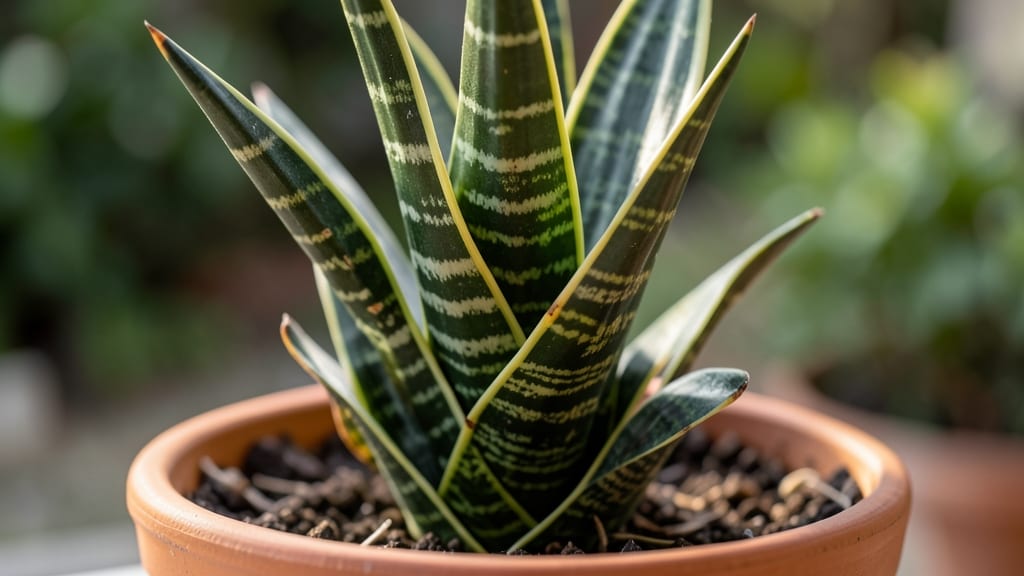
If your 🌱 Snake Plant looks like it’s barely surviving, you might be getting how much light does a snake plant require all wrong. These hardy plants are often called "the unkillable houseplant," but even they need the right balance of sunlight to truly thrive—not just survive.
The truth is, snake plants are flexible, but they’re not thriving in total darkness. Too little light and they’ll grow slow and leggy; too much direct sun and you’ll see brown tips or scorched leaves.
The key is finding that sweet spot of bright indirect light, whether you’re in a 6a zone or just adjusting your living room setup.
I’ve helped countless plant parents fix their struggling snake plants by tweaking just one thing: their light placement.
Whether you’re dealing with a dim corner office or a sunroom with harsh afternoon rays, I’ll show you exactly where to put your plant—and what to watch for to keep it happy year-round.
Ready to turn your snake plant from "meh" to "wow"? Let’s break down the light requirements, common mistakes, and easy fixes so you can finally see that lush, healthy growth you’ve been waiting for.
 Best Window Placement
Snake plant light requirements: ideal sunlight conditions for healthy growth
If you’ve ever wondered, "How much light does a snake plant require?" you’re not alone. Snake plants (Sansevieria) are famously low-maintenance, but their light needs are often misunderstood. While they tolerate low-light conditions, they thrive best with bright indirect sunlight.
The key is finding the right balance—too little light stunts growth, while too much can scorch those striking variegated leaves.
Most snake plant varieties, like the popular Sansevieria trifasciata (also called mother-in-law’s tongue), adapt well to indoor environments. However, their growth speed and leaf vibrancy depend heavily on light exposure.
Even Sansevieria cylindrica, with its cylindrical leaves, follows similar light principles. Let’s break down the ideal conditions to keep your snake plant happy and healthy.
| Variety | Light Needs | Ideal Placement | Growth Impact |
|---|---|---|---|
| Sansevieria trifasciata | Low to Bright Indirect | North or East Window | Slower growth in low light; vibrant in bright indirect |
| Sansevieria cylindrica | Medium to Bright Indirect | West Window (filtered) or Grow Lights | Needs more light for upright growth; etiolated in low light |
| Sansevieria 'Futura Superba' | Bright Indirect (Tolerates Low) | South Window (sheered) or Fluorescent Lights | Variegation fades in low light; thrives with 4+ hours indirect |
| All Varieties (Outdoor) | Partial Sun (Morning Only) | Dappled Shade or Patio with Filter | Burn risk in direct afternoon sun; grows faster outdoors |
For indoor snake plants, aim for 2-6 hours of indirect light daily. North-facing windows provide the gentlest light, while east-facing windows offer morning brightness without harsh afternoon rays. If your space lacks natural light, grow lights (like LED full-spectrum bulbs) can mimic sunlight effectively.
Position lights 6-12 inches above the plant for 12-14 hours daily to compensate for low-light conditions.
Outdoor snake plants, however, need a different approach. While they tolerate partial shade, placing them in direct afternoon sun can cause leaf scorch. Instead, opt for morning sun exposure (3-4 hours max) followed by shade.
In USDA Zone 6a, this means positioning them under trees or on patios with filtered light during the hottest hours.
Watch for signs of underlighting: pale, stretched leaves or slow growth indicate your snake plant isn’t getting enough light. Conversely, brown tips or crispy edges signal too much direct sun.
Adjust by moving the plant 2-3 feet closer or farther from the light source. Remember, snake plants are resilient—even if you’ve overcorrected, they’ll bounce back with proper care.
Pro tip: Rotate your snake plant quarter-turns every 2-3 weeks to ensure even growth. This prevents lopsided development and helps the plant seek out optimal light angles naturally. Even in low-light offices, a simple rotation can make a noticeable difference in leaf health and shape.
If you’re still unsure about your space’s light levels, use a light meter app to measure foot-candles. Snake plants thrive in 100-500 foot-candles of indirect light. Below 100? Supplement with grow lights. Above 1,000? Move the plant farther away or add a sheer curtain to diffuse harsh rays.
Don’t fall for the myth that snake plants thrive in complete darkness. While they survive in dim corners, their growth will be stunted, and their leaves may lose vibrancy.
Think of light as the fuel for photosynthesis—the more you provide (within limits), the healthier and more vigorous your snake plant will become.
Ready to experiment? Start by placing your snake plant in the brightest indirect spot you have, then observe for 2-3 weeks. Adjust as needed, and soon you’ll have a thriving, low-maintenance green companion that’s both beautiful and resilient. 🌱
How to adjust light for snake plants in different rooms: a room-by-room guide
Your snake plant might be thriving in one room but struggling in another—because light conditions vary wildly across your home. The same plant that looks lush and green in your bright kitchen might develop yellow leaves in your dim office.
The key is understanding how to match your plant’s needs to each room’s natural light.
Snake plants are famously adaptable, but they still need a minimum of 2-6 hours of indirect light daily. In low-light rooms, they’ll survive but grow slowly, while too much direct sun can scorch their leaves. Let’s fix this room by room so your plant gets the perfect balance.
How Much Light Does a Snake Plant Require?
- Faster, healthier growth
- Deep green, vibrant leaves
- Reduced risk of pests
- Stronger root development
- Leggy, weak stems
- Brown or yellow leaf tips
- Slow or stunted growth
- Increased susceptibility to rot
- Bright indirect light (e.g., north-facing window)
- 2-6 hours of filtered sunlight
- Avoid harsh midday sun
- East or west windows work well
- Placing near cold windows (e.g., uninsulated basement)
- Direct southern exposure (scorches leaves)
- Total darkness (e.g., closets or bathrooms without windows)
- Overcrowding near other plants blocking light
In low-light offices (like my home office with a north-facing window), place your snake plant 2-3 feet away from the glass. If the room feels too dim, rotate the pot quarter-turns monthly so all sides get even light.
For sunrooms with harsh afternoon sun, use a sheer curtain to diffuse light and prevent leaf burn.
Bathrooms with small windows can still work—just avoid placing the plant near steamy showers or drafty vents. Instead, position it on a countertop near indirect light and supplement with a 10W LED grow light for 4-6 hours daily if needed.
My bathroom snake plant thrives here with just 2 hours of morning light plus a small grow bulb.
If your room lacks natural light entirely, a full-spectrum grow light is your best friend. Place it 6-12 inches above the plant for 12-14 hours daily, mimicking sunlight.
I use a 24W LED clip light on my kitchen counter—it’s energy-efficient and keeps my snake plant growing just as fast as one near a window.
Pro tip: Test your room’s light by placing a white piece of paper near your plant for a day. If shadows are sharp, it’s direct sun—move the plant back.
If the paper stays mostly white, you’ve got ideal indirect light. Adjust as needed, and your snake plant will reward you with bold, upright growth in no time.