
Plants
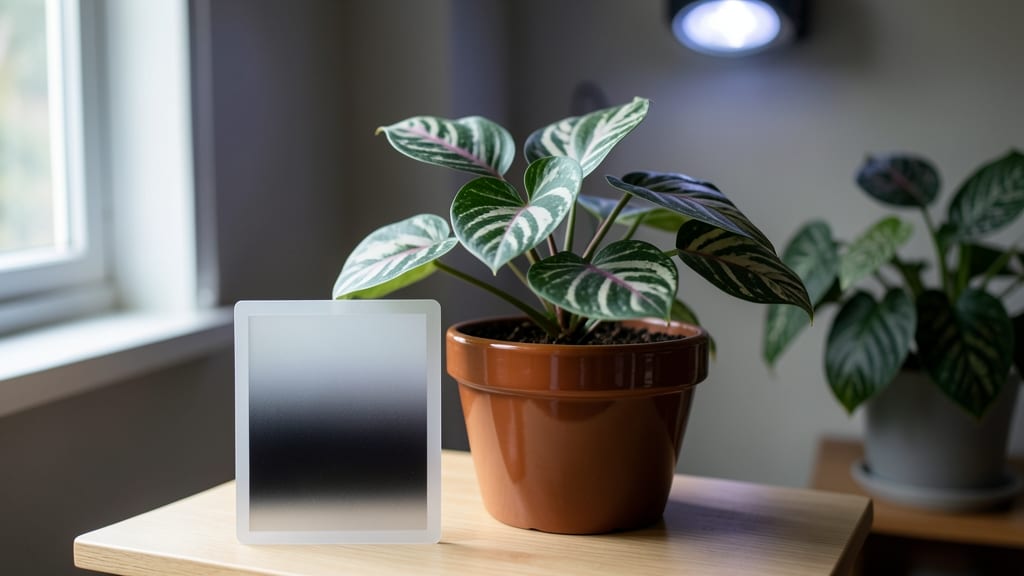
Want to know how much light does a zebra plant need to keep its signature striped leaves vibrant instead of struggling to survive? The answer lies in understanding its light needs—too much sun burns its delicate foliage, while too little dims its vibrant patterns.
This tropical beauty actually prefers bright indirect light, making it perfect for spots near east-facing windows where morning sun gently brightens the room. The key is avoiding harsh afternoon rays that can scorch those stunning zebra-striped leaves.
I’ve seen firsthand how a simple adjustment—like rotating your plant every few weeks—can make all the difference in keeping it lush and full. Even if your home lacks ideal natural light, I’ll show you how to supplement it the right way.
Let’s break down exactly how much light your Zebra Plant needs, what to watch for, and how to create the perfect growing conditions—whether you’re dealing with a sunroom or a dim corner.
 Best Window Placement
Ideal light requirements for a healthy zebra plant
The zebra plant (Aphelandra squarrosa) thrives in bright indirect sunlight, making it perfect for indoor spaces with natural light. Unlike sun-loving plants, it hates direct sun, which can bleach its stunning foliage and cause leaf burn.
Understanding its light needs is key to keeping those bold white stripes vibrant and healthy.
This tropical beauty mimics its native understory habitat, where dappled sunlight filters through taller trees. Recreating this environment indoors ensures your zebra plant grows compact and lush rather than leggy. The goal is to provide 4-6 hours of filtered light daily, adjusted seasonally for optimal growth.
| Light Condition | Ideal Hours | Best Location | Seasonal Notes |
|---|---|---|---|
| Bright Indirect Light | 4-6 hours | East-facing window | Spring/Fall ideal |
| Medium Indirect Light | 2-4 hours | North-facing window | Winter supplement |
| Low Light (Temporary) | <1 hour | Room corner | Use grow lights |
| Direct Sun | 0 hours | Avoid south/west windows | Causes leaf scorch |
For indoor cultivation, position your zebra plant 2-3 feet from an east-facing window, where morning sunlight is gentler. If your home lacks natural light, a north-facing window works but may require supplemental lighting.
The key is to avoid south or west windows, where harsh afternoon rays can damage delicate leaves.
In summer months, when sunlight intensifies, move your plant further from windows or use sheer curtains to diffuse light. I’ve found that rotating the pot quarter-turns weekly ensures even growth, preventing lopsided development toward the light source. This simple habit keeps your zebra plant symmetrical and thriving.
Winter brings reduced natural light, so supplement with 12-14 hours of artificial light using a full-spectrum LED grow light. Place it 6-12 inches above the plant for 6-8 hours daily.
I’ve seen dramatic improvements in leaf vibrancy when combining natural winter light with grow lights during short days.
Watch for leaf color changes as indicators of light success. Healthy zebra plants maintain bold white stripes on deep green leaves. If patterns fade or leaves stretch toward light, it’s time to adjust placement. Remember, consistency is key—sudden light changes can stress the plant more than steady conditions.
Outdoor enthusiasts can enjoy zebra plants on porches or patios during spring and summer, but always provide afternoon shade. I’ve had success placing mine under 30% shade cloth during peak sun hours. Just avoid full sun exposure, which turns leaves yellow and crispy within days.
Pro tip: Test your light spot by holding a piece of white paper near the plant. If you can read text clearly, the light is too harsh. If the paper appears dim, your zebra plant will thrive in that location.
This quick trick saves hours of trial and error and keeps your plant’s foliage showstoppingly vibrant.
With the right light balance, your zebra plant will reward you with lush growth and striking patterns for years. The secret lies in mimicking its natural habitat—bright but filtered light, seasonal adjustments, and attentive care. Your plant’s health depends on it! 🌿
Signs your zebra plant isn’t getting the right light
Your zebra plant’s leaves losing their striking patterns is the first red flag that its light needs aren’t being met. When this tropical beauty doesn’t get enough bright indirect light, it starts producing new growth with dull, washed-out stripes—almost like a faded photograph.
This happens because the plant isn’t getting the 4-6 hours of filtered sunlight it craves daily.
The top leaves turning yellow while the lower ones stay green is another classic sign of light stress. This uneven color change often means your plant is stretching toward a light source that’s too weak, like a north-facing window.
The yellowing occurs because the plant is prioritizing growth over maintaining its vibrant foliage, a survival tactic that leaves it looking sad and leggy.
⚠️ callout warning ⚠️
🌱 Light Emergency Alert!
Zebra plants need bright indirect light—never direct sun. Too little light causes fading stripes, while too much sun burns leaves. Ideal spot: 2-3 feet from an east-facing window.
🔹 Fix fading stripes: Move to brighter indirect light or use grow lights 12 hours/day.
🔹 Fix sunburn: Relocate to shadier spot or use sheer curtains.
If your zebra plant is growing taller than usual with sparse leaves, it’s clearly reaching for light. This leggy growth happens when the plant stretches toward a distant or weak light source, like a lamp across the room.
The stems become thin and weak, and the distance between leaves increases dramatically. To fix this, I recommend rotating your plant quarter-turns every week to encourage even growth and placing it closer to a well-lit window.
Another telltale sign is when the leaves develop brown tips or crispy edges. This usually means your plant is getting too much direct sunlight, especially harsh afternoon rays. The edges dry out and turn brown because the plant can’t handle the intensity.
If you notice this, move your zebra plant to a spot with filtered light or add a sheer curtain to diffuse the sunlight gently.
Don’t ignore small, pale new leaves either—this is your zebra plant’s way of saying it’s not getting enough light to photosynthesize properly. These leaves lack the bold stripes and deep green color of healthy growth because the plant is struggling to produce chlorophyll.
In this case, supplement with a grow light for 6-8 hours daily or relocate to a sunnier windowsill.
To troubleshoot, start by observing your plant’s location for a week. Note where the light comes from and how strong it is. If you’re unsure, use a light meter app to measure the light intensity in foot-candles.
Zebra plants thrive in 1,000-2,000 foot-candles of indirect light. Adjust by moving the plant, using reflective surfaces, or adding artificial lighting as needed.