
Size
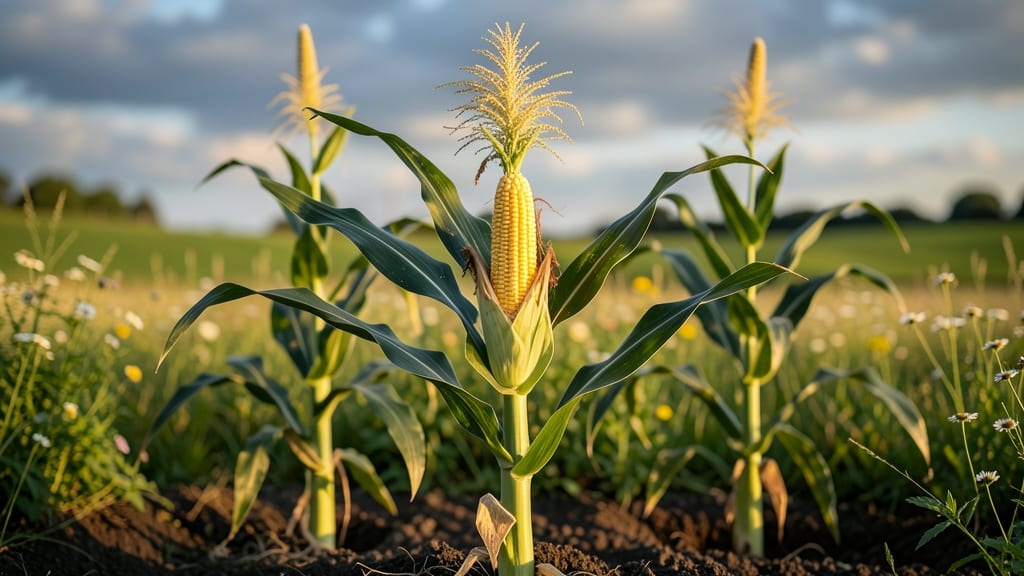
Corn plant height by variety: from dwarf to skyscraper types
When I first started growing corn, I was shocked to see some varieties stretching toward the sky while others barely reached my knees. Corn plant height varies dramatically by variety, from 3-foot dwarf types to 15-foot giants.
This variation isn't just about aesthetics—it affects your garden layout, yield potential, and even how you support those towering stalks during windy days. Let me break down the height spectrum so you can choose the perfect variety for your space and goals.
Most home gardeners grow standard sweet corn varieties that reach 6-10 feet tall, but specialty types push these limits. Dwarf varieties (under 5 feet) are perfect for containers or small gardens, while giant varieties (over 12 feet) make dramatic centerpieces for large plots.
The height you choose should match your garden's dimensions and your ability to provide proper care as plants mature.
| Variety | Height Range | Days to Maturity | Best For | Yield Potential |
|---|---|---|---|---|
| Golden Bantam | 3-4 ft | 60-70 days | Containers, small gardens | 4-6 ears per plant |
| Sweet Baby | 4-5 ft | 65-75 days | Early harvest, small spaces | 5-7 ears per plant |
| Silver Queen | 5-7 ft | 75-85 days | Home gardens, fresh eating | 8-12 ears per plant |
| Country Gentleman | 8-10 ft | 90-100 days | Large gardens, storage | 12-16 ears per plant |
| Mammoth Melting | 10-12 ft | 100-110 days | Large plots, canning | 16-20 ears per plant |
| Jubilee | 12-14 ft | 110-120 days | Windbreaks, ornamental | 20+ ears per plant |
Why corn height matters: space, pollination, and structural supportCorn plant height isn’t just about aesthetics—it directly impacts your garden’s layout planning, pollination success, and even structural support needs. A 12-foot corn stalk requires different spacing than a 4-foot dwarf variety, and wind resistance becomes critical when stalks reach human-height or taller. Understanding these factors helps you design a functional corn patch that maximizes yield without sacrificing stability. For example, standard sweet corn varieties like 'Country Gentleman' typically grow 8-10 feet, while ornamental varieties such as 'Black Aztec' can exceed 12 feet. This height variation affects everything from row spacing to trellising requirements. Tall corn needs 36-inch rows to prevent shading, while dwarf types can thrive in 24-inch rows. Let’s explore how height influences your garden’s design and care. Key Factors Influencing Corn Height
One of the biggest challenges with tall corn is wind damage. When stalks exceed 10 feet, they become top-heavy and prone to lodging (falling over). This isn’t just an aesthetic issue—lodged corn is harder to harvest and may develop fungal diseases from sitting on damp soil. In my garden, I’ve seen 'Golden Bantam' (a dwarf variety) stand firm in 40 mph winds, while 'Mammoth Melting' (a giant variety) required bamboo stakes to stay upright. Height also plays a critical role in cross-pollination. Corn is wind-pollinated, meaning pollen must travel from male tassels (top of the plant) to female silks (ear development zone). In tall varieties, this can be a challenge if rows are too far apart. For example, planting 12-foot corn in 30-inch rows may leave gaps where pollen fails to reach silks, leading to poor ear development. To troubleshoot, I plant tall varieties in blocks rather than single rows to ensure better pollen transfer. If your corn plants are stunted (under 5 feet) or overly tall (exceeding 12 feet), it’s often a sign of underlying issues. Stunted growth may indicate poor soil fertility, inadequate sunlight, or root-bound conditions in containers. On the other hand, excessive height can result from over-fertilization (too much nitrogen) or crowded planting. In my experience, amending soil with compost and spacing seeds 12 inches apart helps achieve balanced growth for most varieties. For gardeners with limited space, dwarf or semi-dwarf varieties are excellent choices. These types mature quickly and produce high yields in tight spaces. However, even dwarf corn benefits from proper spacing—planting too closely can lead to competition for nutrients and increased disease risk. Whether you’re growing giant ornamental corn or compact sweet corn, understanding height requirements ensures your garden thrives without compromising structure or yield. |