
Planting
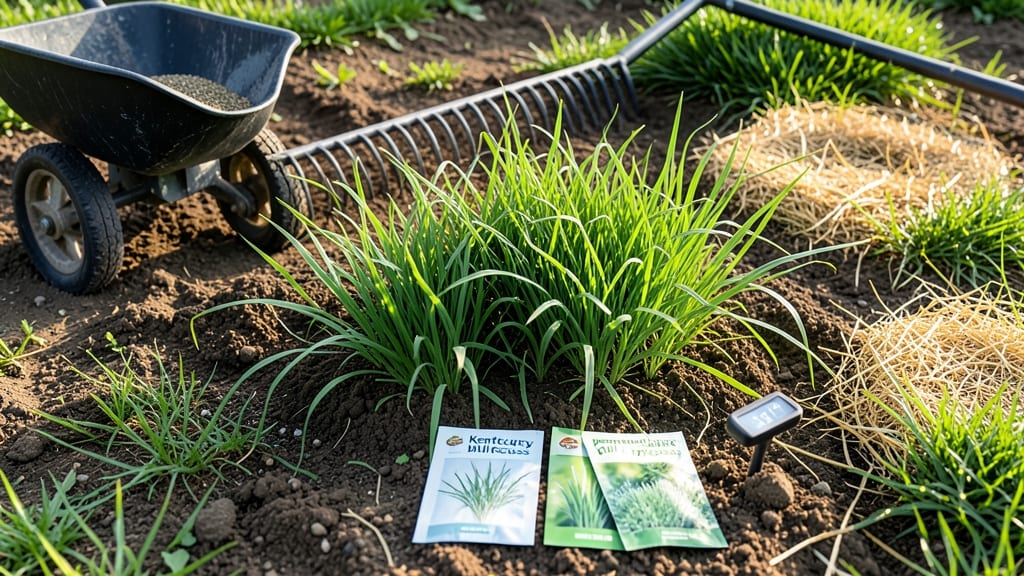
Planting grass seed in Ohio at the wrong time can leave you staring at bare patches instead of a lush, green lawn—here’s the exact window to lock in strong roots before winter or summer heat strikes.
Ohio’s 6a climate gives you two prime chances: early spring, when soil warms enough for seeds to sprout, and fall, when cooler temps slow weeds but keep grass growing steadily.
Miss these windows, and you risk drought stress or frost damage. I’ll show you how to time it perfectly, plus the prep work that makes all the difference.
Whether you’re seeding a new lawn or patching bare spots, the 4-6 week rule is your guide: plant that many weeks before the first frost or after the last one.
In Ohio, that means late August to early October for fall planting—your best bet for deep roots before winter. Let’s break down the steps to set you up for success.
We’ll cover soil prep, seed selection, and watering schedules tailored to Ohio’s microclimates. Skip these, and even the best seed won’t thrive. Ready to grow a lawn that survives the seasons? Let’s get started.
Ohio’s best grass seed planting windows: spring vs fall timing explained
Ohio’s climate—with its hot summers and cold winters—means timing is everything for grass seed germination. Plant too early, and frost will kill your tender sprouts. Too late, and summer heat will dry out seeds before they root.
The ideal windows are early spring and fall, but Ohio’s north-south divide shifts those dates by weeks.
Most gardeners swear by fall planting because cooler temps and consistent rainfall give seeds time to establish deep roots before winter dormancy. But spring planting works too—if you act fast. Let’s break down the exact month-by-month windows for your region, plus the soil temperature rules that make or break success.
| Planting Window | Best Months | Soil Temp Range | Ohio Region | Key Considerations |
|---|---|---|---|---|
| Spring | March–April | 50–65°F | North: Late April South: Early March |
Act before late frosts (April 15 north, March 20 south). Water daily until established. |
| Fall | September–October | 60–75°F | North: Late Aug–Oct 5 South: Sept 15–Oct 15 |
Plant 4–6 weeks before first frost. Roots grow strong before winter. |
| Avoid | May–August | Above 80°F | All Regions | Seeds dry out or overheat. Weeds outcompete new grass. |
For northern Ohio (think Columbus and Cleveland), aim for late April to early May in spring or late August to October 5 in fall. The soil temperature must stay above 50°F for 7+ days to trigger germination. Use a soil thermometer—cheap and game-changing!
Southern Ohio (like Cincinnati or Dayton) can plant 2–3 weeks earlier in spring and hold off until mid-September in fall. The key is avoiding summer heat, which dries out seeds faster than you can water. Even cool-season grasses (like Kentucky bluegrass) struggle when temps hit 85°F+.
Pro tip: If you’re overseeding an existing lawn, fall is always better. The cool nights and warm days create perfect conditions for root establishment before winter. Just don’t wait past October 15—new grass needs time to harden off before frost.
What about warm-season grasses (like Bermuda or Zoysia)? They’re a different beast—plant them in late spring (May–June) when soil hits 70°F+. But most Ohio lawns use cool-season blends, so stick to the spring/fall windows above.
Remember: Preparation is half the battle. Test your soil’s pH (6.0–7.0 ideal), loosen compacted areas, and remove weeds before seeding. A light mulch of straw helps retain moisture in both spring and fall. With the right timing, your lawn will outcompete weeds and stay lush year-round.
Need a quick cheat sheet? Bookmark these dates: March 20 (south)–April 15 (north) for spring and Sept 15–Oct 5 for fall. Plant outside these windows, and you’re rolling the dice on weak germination or wasted seed. Your future self (and your lawn) will thank you.
How to prepare Ohio soil for grass seed planting: step-by-step guide
Preparing your Ohio soil for grass seed is the secret to a lawn that thrives—not just survives. Skipping this step means struggling with poor germination, weeds, or patchy coverage.
I’ve planted grass in Ohio’s 6a climate for years, and I can tell you: the right prep makes all the difference between a thin, weak lawn and one that stays green through summer droughts and winter freezes.
Ohio’s soil can be tricky—too heavy in some areas, too sandy in others, and often packed down from foot traffic. The key is creating a loose, level seedbed with the perfect balance of nutrients and moisture.
Let’s break this down into actionable steps so your grass seed has the best possible start. First, we’ll tackle the foundation: soil testing and weed control.
🌱 Step-by-Step Soil Prep for Ohio Grass Seed
- 🔍 Test your soil pH (aim for 6.0–7.0). Ohio’s clay-heavy soils often test acidic—amend with lime if needed.
- 🌿 Remove weeds and debris by hand or with a dandelion digger. Don’t use herbicides—wait 4–6 weeks for them to break down.
- 🔄 Till the top 4 inches of soil to loosen compaction. Avoid over-tilling—just break up the crust.
- 🪴 Add compost or peat moss (1–2 inches) for organic matter. Mix it in evenly for better moisture retention.
- 📏 Rake the surface smooth with a leveling rake. Aim for a fine, crumbly texture—like cake batter, not gravel.
- 💧 Water deeply 24 hours before planting to settle the soil. This prevents seeds from drying out too fast.
- 🌱 Choose Ohio-adapted seed mix: Tall fescue (shade-tolerant) or Kentucky bluegrass (drought-resistant) work best.
Don’t rush the soil prep—this is where most lawn failures start. I once skipped tilling and ended up with uneven germination because the seed couldn’t make contact with moist soil. A level, loose seedbed ensures every seed gets the same chance to sprout.
After prepping, cover the area with a light layer of straw (not mulch) to protect seeds from birds and drying winds.
Pro tip: If your soil is very sandy (common in southwest Ohio), mix in 1 part peat moss to 3 parts soil to improve water retention. Clay-heavy soils? Add composted manure to break up the density. Both amendments help Ohio’s extreme soil variations play nice with grass seed.
Once your seedbed is ready, choose your seed mix carefully. Cool-season grasses like tall fescue and perennial ryegrass dominate Ohio lawns because they handle our hot summers and cold winters better than warm-season types. For shady spots, mix in fine fescue—it’s the shadow champion of grass seeds.
After planting, keep the soil consistently moist (not soggy) for the first 3–4 weeks. Use a light mist setting on your sprinkler to avoid washing seeds away.
In Ohio’s variable spring/fall weather, this is where most new lawns fail—either from drought or overwatering. Stick to the 1-inch-per-week rule and you’ll be golden.